Abraham Lincoln: From His Early Life to His Death
Abraham Lincoln’s life began in a Kentucky log cabin and ended in a Washington boarding house after an assassin’s attack. Between those two places, he became a lawyer, a husband and father, and the sixteenth president of the United States. He led the country through the Civil War and helped turn the struggle to preserve the Union into a struggle against slavery. His public achievements were accompanied by family tragedy, political setbacks, and difficult decisions that still invite debate.
1809–1830: a childhood on the frontier
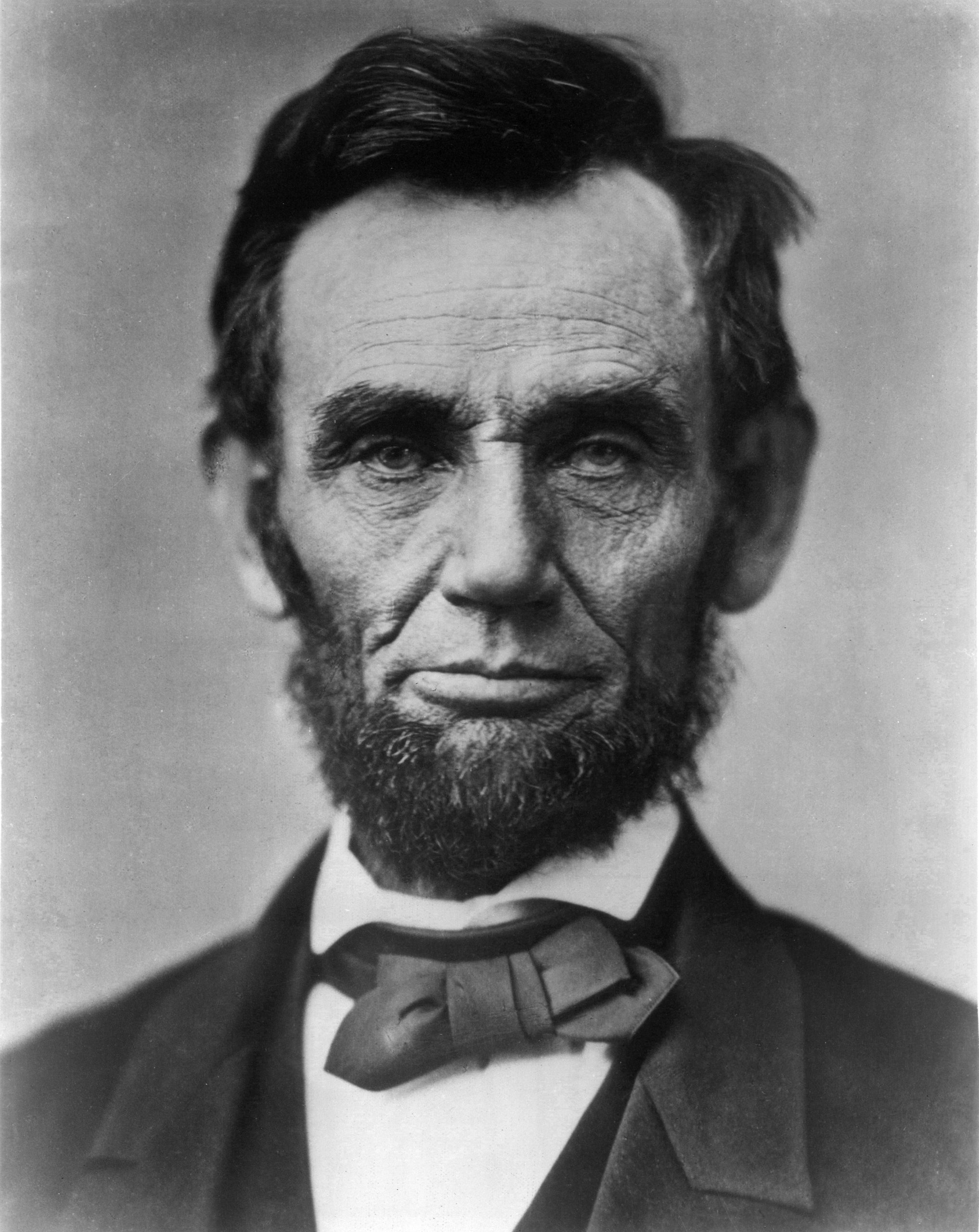
Lincoln was born on February 12, 1809, at Sinking Spring Farm near present-day Hodgenville, Kentucky. His parents were Thomas Lincoln, a farmer and carpenter, and Nancy Hanks Lincoln. He had an older sister, Sarah, and a younger brother, Thomas, who died in infancy.
The family moved to Knob Creek while Abraham was young, then relocated to southern Indiana in 1816. Frontier life meant physical work, uncertain finances, and limited access to schools. Lincoln helped with farm labor, but he also developed a strong appetite for reading and learning.
In October 1818, when he was nine, his mother died of milk sickness. His father married Sarah Bush Johnston the following year. Lincoln became close to his stepmother, who brought three children of her own into the household. Another loss followed in 1828, when his sister Sarah died during childbirth. Source: National Park Service chronology.
Lincoln received little formal schooling. His education came largely through reading, practice, and determination. Rather than following a conventional path through college, he built the knowledge and command of language that would eventually support his careers in law and politics.
1830–1837: finding his way in Illinois
In 1830, the Lincoln family moved to Illinois. The next year, Abraham began an independent life and settled in New Salem. He worked in a store, became involved in a business that failed, and held jobs as a postmaster and surveyor. These were years of experiment rather than a smooth rise to success.
He served briefly in the Illinois militia during the Black Hawk War of 1832, without seeing combat. That year he also lost his first campaign for the Illinois legislature. He tried again in 1834 and won, beginning a political career with the Whig Party.
While serving in the legislature, Lincoln studied law. He received his law license in 1836 and moved to Springfield in 1837. His legal practice grew over time, giving him experience with disputes, evidence, negotiation, and the practical concerns of ordinary people. Read the National Park Service biography.
Marriage to Mary Todd and their four sons
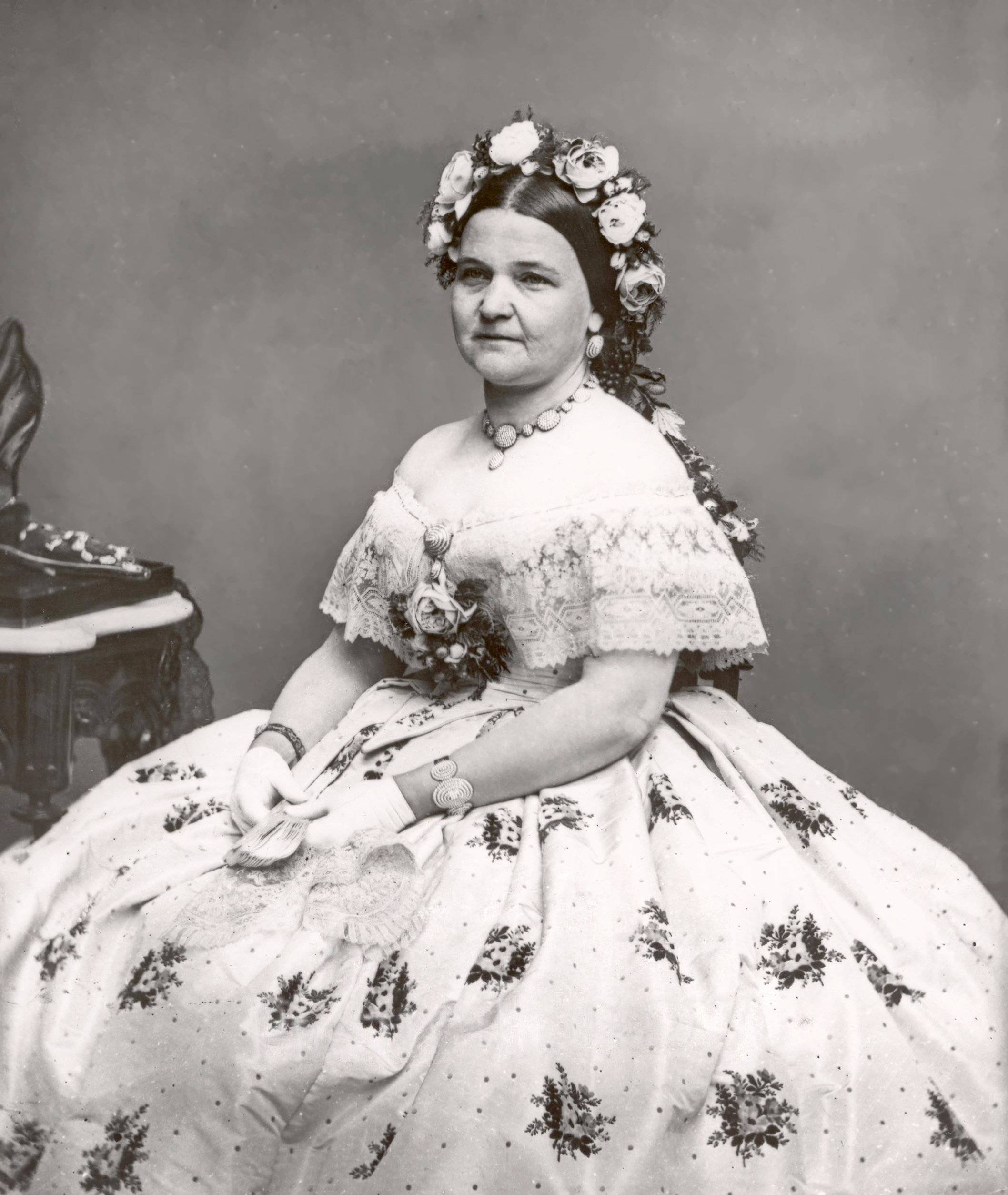
Lincoln married Mary Todd on November 4, 1842, in Springfield. Mary came from a prominent Kentucky family and had a strong interest in politics. Their backgrounds were different, but they shared ambition and an interest in public life. In 1844, they moved into the Springfield house that would remain their family home until the presidency.
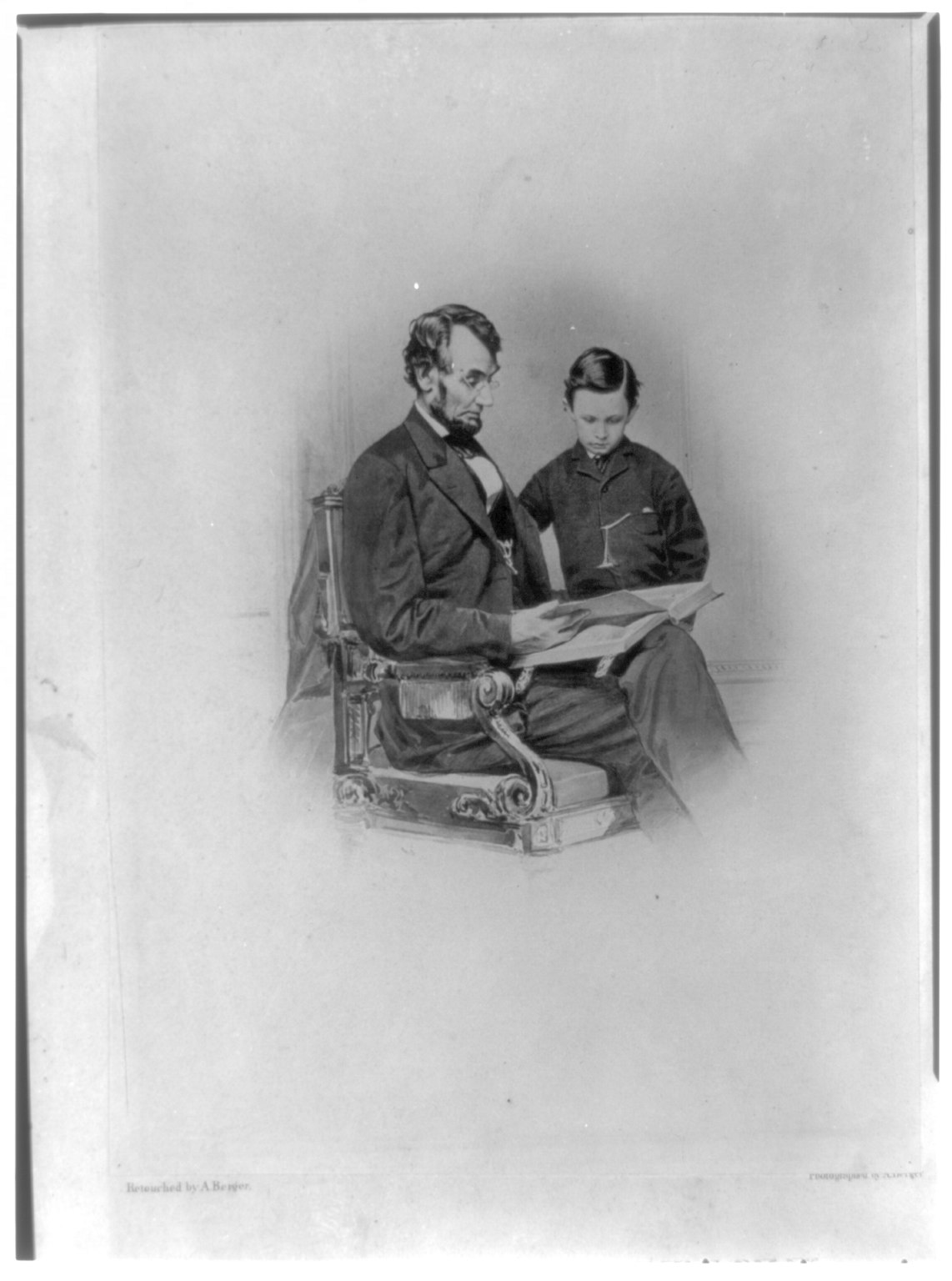
Abraham and Mary Lincoln had four children, all sons. Their family life included affection and lively children, but also repeated bereavement. Explore the Lincoln family.
Robert Todd Lincoln (1843–1926)
Robert was their eldest son and the only one to live beyond the age of eighteen. He became a lawyer and later served as U.S. secretary of war and minister to Britain. His long life extended into an era very different from the one in which his father had lived.
Edward Baker “Eddie” Lincoln (1846–1850)
Eddie died in Springfield shortly before his fourth birthday. His death came more than a decade before his father entered the White House, bringing grief into the family during Lincoln’s years as a lawyer.
William Wallace “Willie” Lincoln (1850–1862)
Willie died at the White House on February 20, 1862, aged eleven, probably from typhoid fever. His death devastated both parents while the Civil War was already placing enormous demands on the president.
Thomas “Tad” Lincoln (1853–1871)
Tad was the youngest son. He became known for his energy and mischief during the White House years and was especially close to his father. He survived the assassination but died in 1871, aged eighteen. Source: National Park Service account of the Lincoln sons.
1846–1860: the road to the presidency
Lincoln was elected to the U.S. House of Representatives in 1846 and served one term, from 1847 to 1849. Afterward, he concentrated on his law practice before returning to the center of political debate in the 1850s. The question of slavery’s expansion increasingly dominated national politics.
He opposed the spread of slavery into the western territories and became a leading figure in the emerging Republican Party. His position did not initially call for immediate abolition everywhere slavery already existed. His political views developed during a long national crisis rather than arriving fully formed at the start of his career. Read Lincoln’s statements on slavery.
In 1858, Lincoln challenged Senator Stephen A. Douglas in Illinois. Their seven debates brought national attention to slavery, the territories, and the country’s future. Lincoln did not win the Senate seat, but the campaign made him a serious national political figure. Source: the Lincoln-Douglas debates.
The Republicans nominated him for president in 1860. On November 6, he won a four-way election. His victory was followed by the secession of seven Southern states before he took office. Their leaders feared for the future of slavery under a Republican administration. Read about the election of 1860.
1861: president of a divided nation
Lincoln was inaugurated on March 4, 1861. He rejected secession and regarded preserving the United States as his central responsibility. The conflict over slavery lay at the heart of the sectional crisis, even though the administration’s initial military objective was to restore the Union.
On April 12, Confederate forces opened fire on Fort Sumter in South Carolina. Lincoln called for troops, and four more states joined the Confederacy. The Civil War would become a prolonged struggle that demanded armies, money, political support, and an endurance few had anticipated. Source: National Park Service presidential profile.
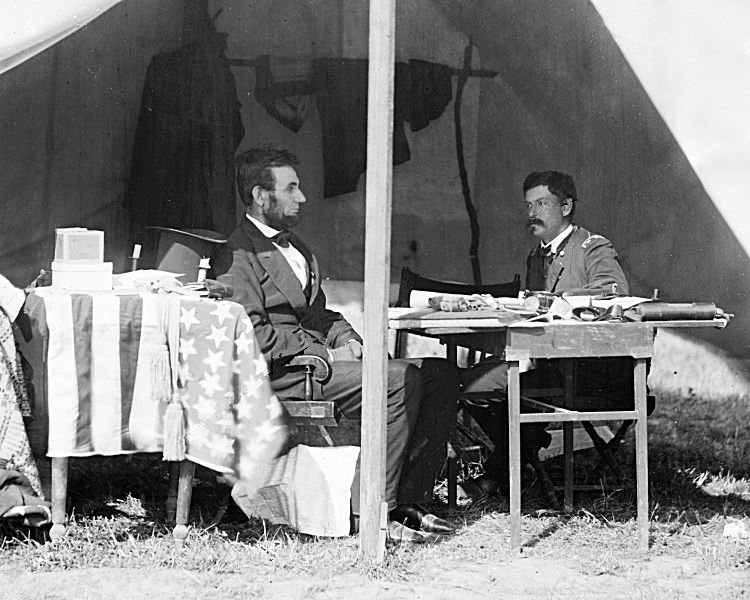
Lincoln had to manage competing generals and politicians while confronting military defeats and public criticism. His use of wartime power was controversial. He authorized suspension of habeas corpus, the legal protection that allows a detained person to challenge imprisonment, prompting lasting debate about presidential authority and civil liberties. Read about Lincoln and the Constitution.
1862–1863: emancipation changes the war
Lincoln’s policy moved toward emancipation as the war continued. Enslaved people were already escaping to Union lines and acting to secure their own freedom. Abolitionists, Black leaders, military developments, and congressional action also shaped the movement against slavery.
After Antietam, Lincoln issued a preliminary emancipation announcement on September 22, 1862. The final Emancipation Proclamation took effect on January 1, 1863. It declared enslaved people free in designated areas still in rebellion against the United States.
The proclamation did not immediately abolish slavery throughout the country. Loyal slaveholding border states were excluded, as were certain areas under Union control. Enforcing freedom in Confederate-held territory depended on Union advances. Nevertheless, the order made emancipation an explicit Union war aim and authorized Black men’s service in the Army and Navy.
Black soldiers and sailors then helped fight for the freedom the proclamation promised. Lincoln’s leadership mattered, but emancipation was also the achievement of people who resisted enslavement and served in the forces that defeated the Confederacy. Source: National Archives explanation of the Emancipation Proclamation.
The Gettysburg Address
On November 19, 1863, Lincoln spoke at the dedication of the Soldiers’ National Cemetery in Gettysburg, Pennsylvania. His brief address connected the war to the Declaration of Independence and the idea of political equality.
He asked the living to carry forward the work for which the soldiers had died. The address gave the conflict a wider meaning: preserving a nation founded on representative government while seeking a new birth of freedom. Its brevity and carefully chosen language helped make it one of the most enduring speeches in American history. Explore the Gettysburg Address at the Library of Congress.
1864–1865: reelection and the defeat of the Confederacy
Lincoln won reelection in November 1864, defeating George B. McClellan. His second term began on March 4, 1865. In his second inaugural address, he reflected on slavery, the terrible cost of war, and the need to care for those who had suffered. Source: Library of Congress biography.
He also supported the Thirteenth Amendment, which Congress passed on January 31, 1865. It prohibited slavery and involuntary servitude, except as punishment for a crime following conviction. Ratification came on December 6, after Lincoln’s death. The amendment gave abolition a constitutional foundation beyond the wartime proclamation. Source: National Archives.
On April 9, 1865, Robert E. Lee surrendered the Army of Northern Virginia to Ulysses S. Grant at Appomattox Court House. Other Confederate forces remained in the field, but the surrender marked a decisive step toward the war’s end. Lincoln would not live to oversee the full aftermath.
April 14, 1865: the attack at Ford’s Theatre
On the evening of April 14, Lincoln attended a performance of Our American Cousin at Ford’s Theatre in Washington, D.C., with Mary. Actor and Confederate sympathizer John Wilkes Booth entered the presidential box and shot him in the head.
The attack formed part of a wider conspiracy against senior members of the government. Booth escaped from the theatre, while doctors and others tried to help the unconscious president. Lincoln was carried across the street to the Petersen boarding house. Source: Ford’s Theatre.
April 15, 1865: Lincoln’s death
Lincoln never regained consciousness. He died at 7:22 a.m. on April 15, 1865, in the Petersen House, aged 56. He became the first U.S. president to be assassinated. Vice President Andrew Johnson succeeded him. Read the account of Lincoln’s final hours.
His body was taken back to Illinois on a funeral journey that allowed mourners in several cities to pay their respects. He was buried at Oak Ridge Cemetery in Springfield on May 4. The man who had left Springfield for the presidency in 1861 had returned to a grieving home city.
Remembering Abraham Lincoln
Lincoln’s legacy rests most firmly on preserving the Union and helping bring slavery to an end. It also includes difficult questions about executive power and the limits of racial equality in his own thinking. His assassination left unanswered how he would have handled the long struggle over Reconstruction, citizenship, and justice.
From frontier childhood to the presidency, his life shows the force of self-education, persistence, and political judgment. It also shows how personal sorrow and national responsibility could exist side by side. Understanding his achievements means remembering the human being as well as the monument.
The Lincoln-and-Tad portrait: why the version matters
The image of Lincoln with Tad appears to offer a quiet family moment, a striking contrast with the wartime portrait beside McClellan. It is still a posed studio image, however, and its publication history changes how it should be read.
The Library of Congress catalog identifies Anthony Berger’s February 9, 1864 sitting as Lincoln and Tad studying a photographic album. It also explains that retouched versions changed the album into a family Bible. The reproduction shown here is a historical retouched print. Calling it simply a photograph of Lincoln reading Scripture would mistake a published alteration for the original scene.
This is a useful reminder for restoration work: altering an object can change a picture’s historical claim, even if the people remain recognizable. Removing a scratch and replacing an album with another object are different interventions. When comparing copies of a portrait, check the catalog description, photographer, date, and retouching notes before using the visible details as evidence.
About the historical photographs
The photographs in this article are public-domain images sourced through Wikimedia Commons and historical collections. Their captions identify the photographers, dates, and source pages where available. No AI-generated scenes are presented as documentary photographs.
Editorial and source note
Prepared for Bringing History To Life with AI-assisted research and drafting. Historical sources and image records are linked for readers to check. The image commentary is editorial interpretation of the reproductions shown, with limits and uncertainties identified.
If you want your photos bringing back to life, send me a message on any of my social media accounts. Follow me across social media for historical photo restorations, AI colorizations, and videos bringing the past to life!
Instagram: https://www.instagram.com/bringing_history_to_life/
Facebook: https://www.facebook.com/bringinghistory2life |
TikTok: https://www.tiktok.com/@bringing_history_to_life |
YouTube: https://www.youtube.com/@bringing_history_to_life