Remarkable lives. Real history.
History feels
closer when you
see the people.
Meet the people behind history, from familiar names to lives too fascinating to forget.
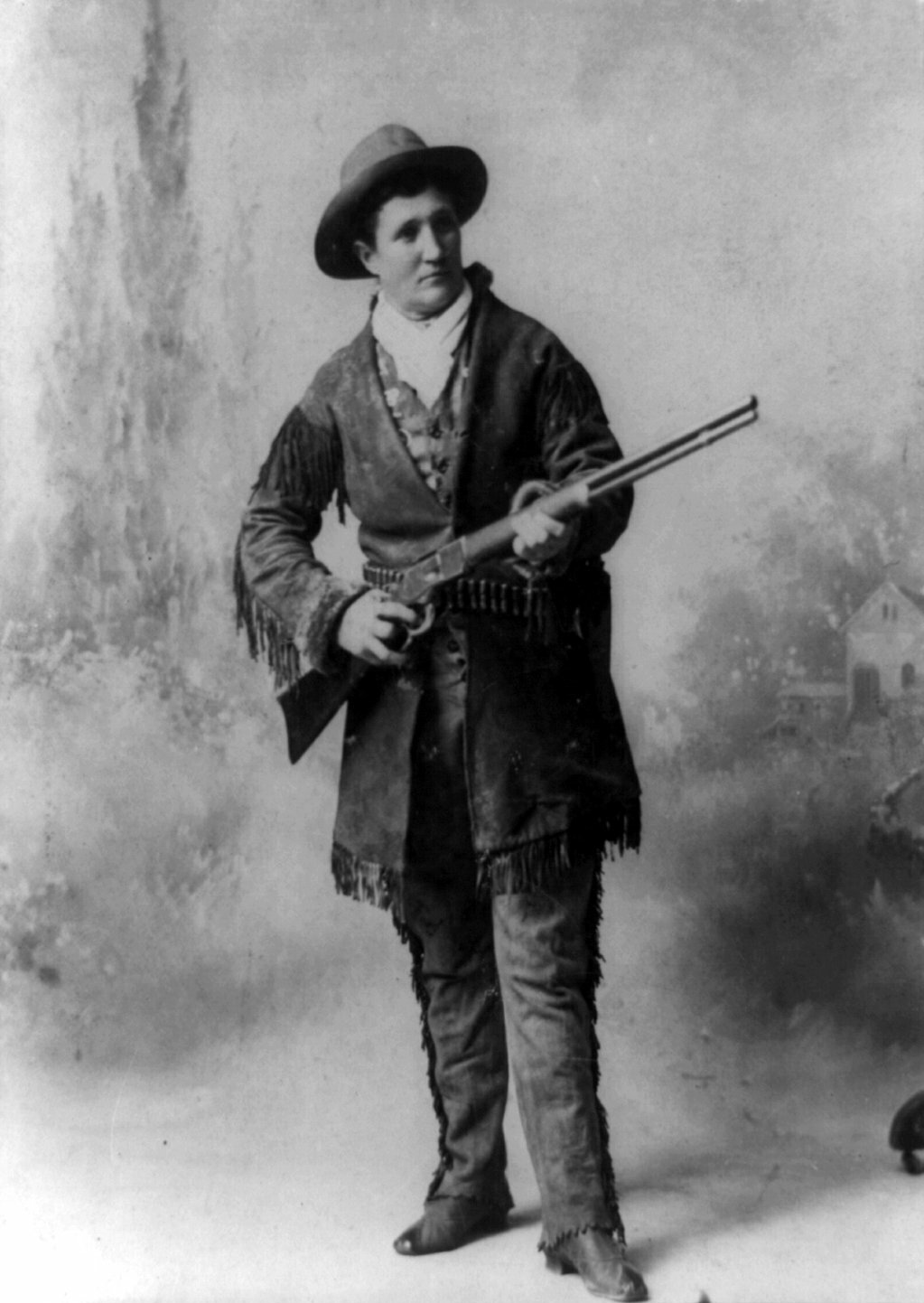
Explore StoriesDiscover the real Calamity Jane →
H. R. Locke, c. 1895 · Library of Congress
Featured Stories
All stories →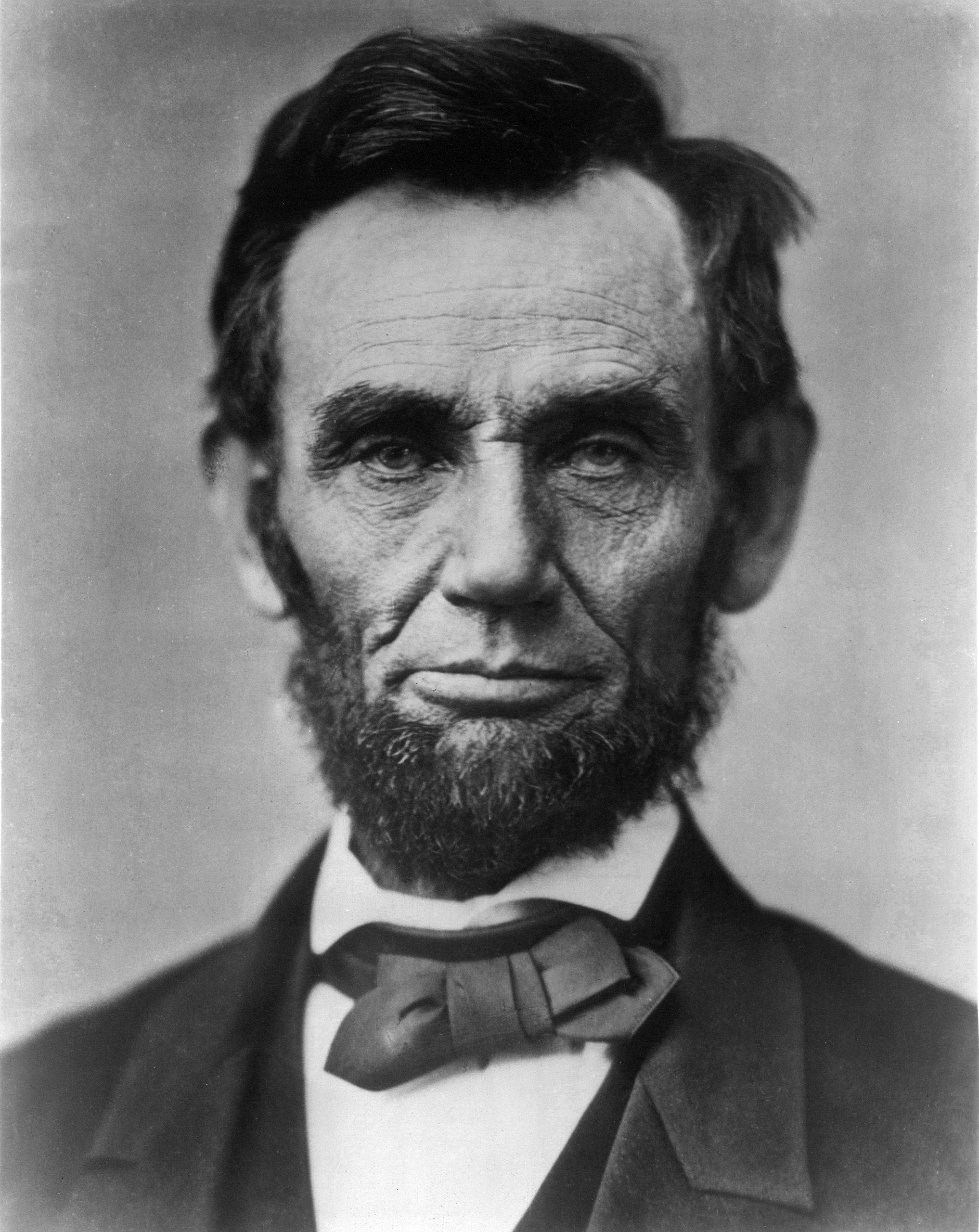
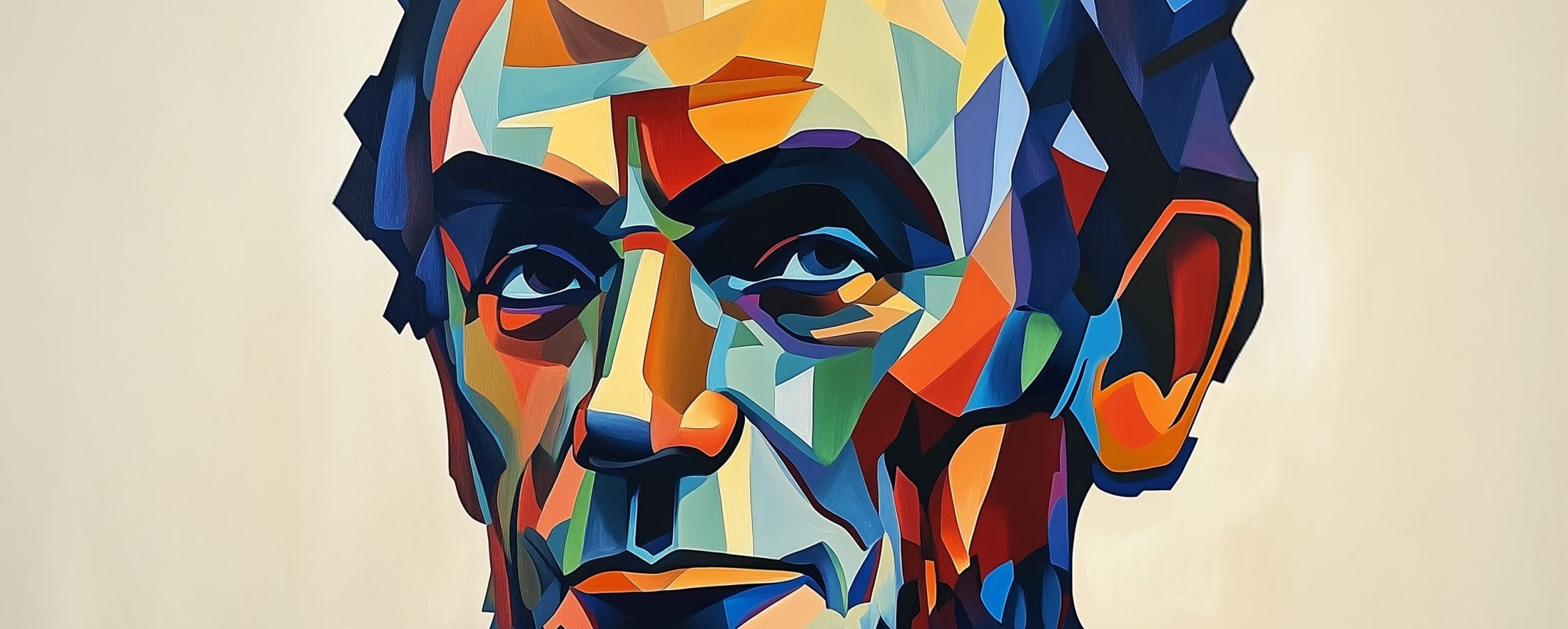
Abraham Lincoln:
The Life Behind the Legacy
From a Kentucky log cabin to the presidency, Civil War and a nation changed forever.
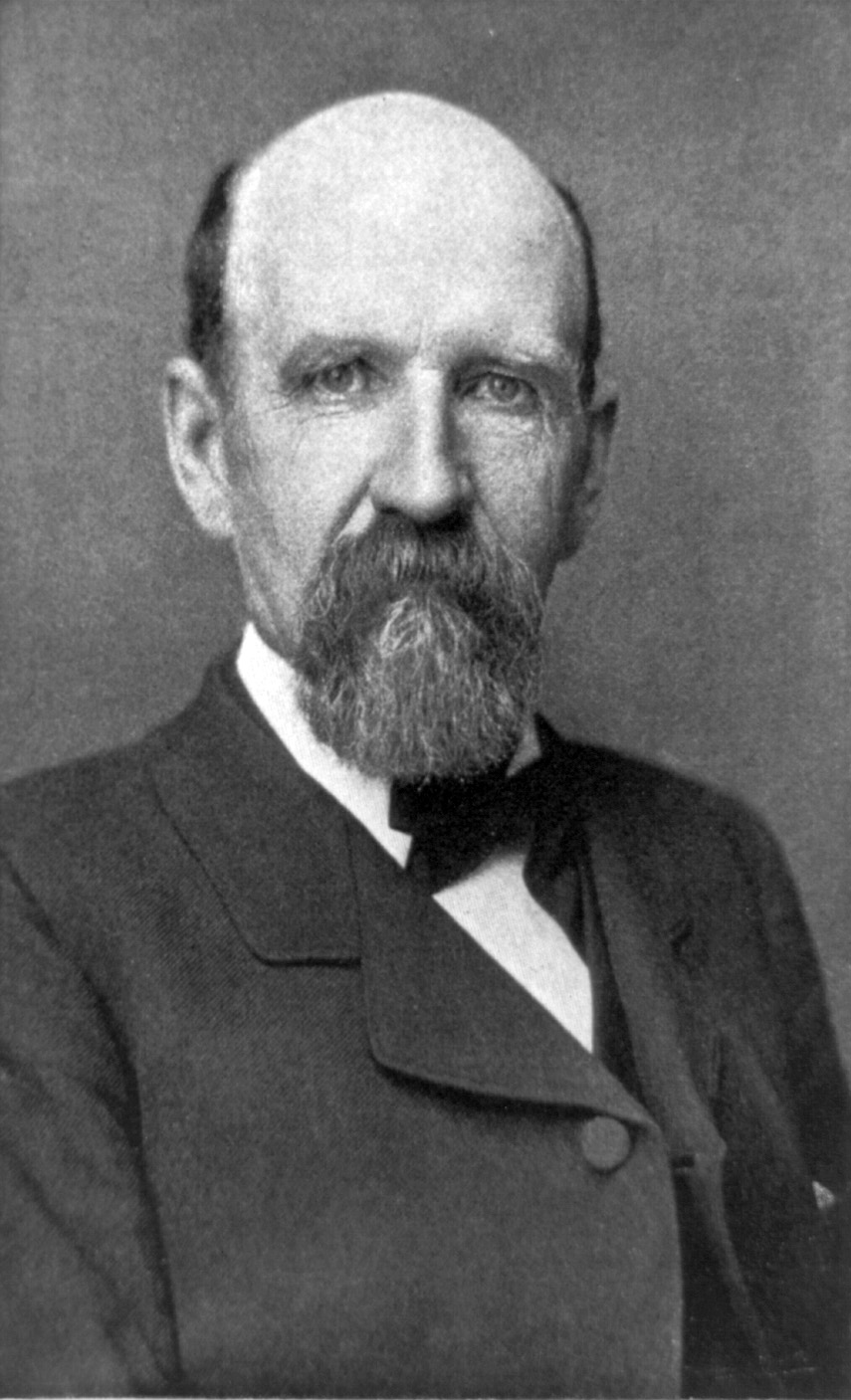
The Sailor Who Went
Around the World Alone
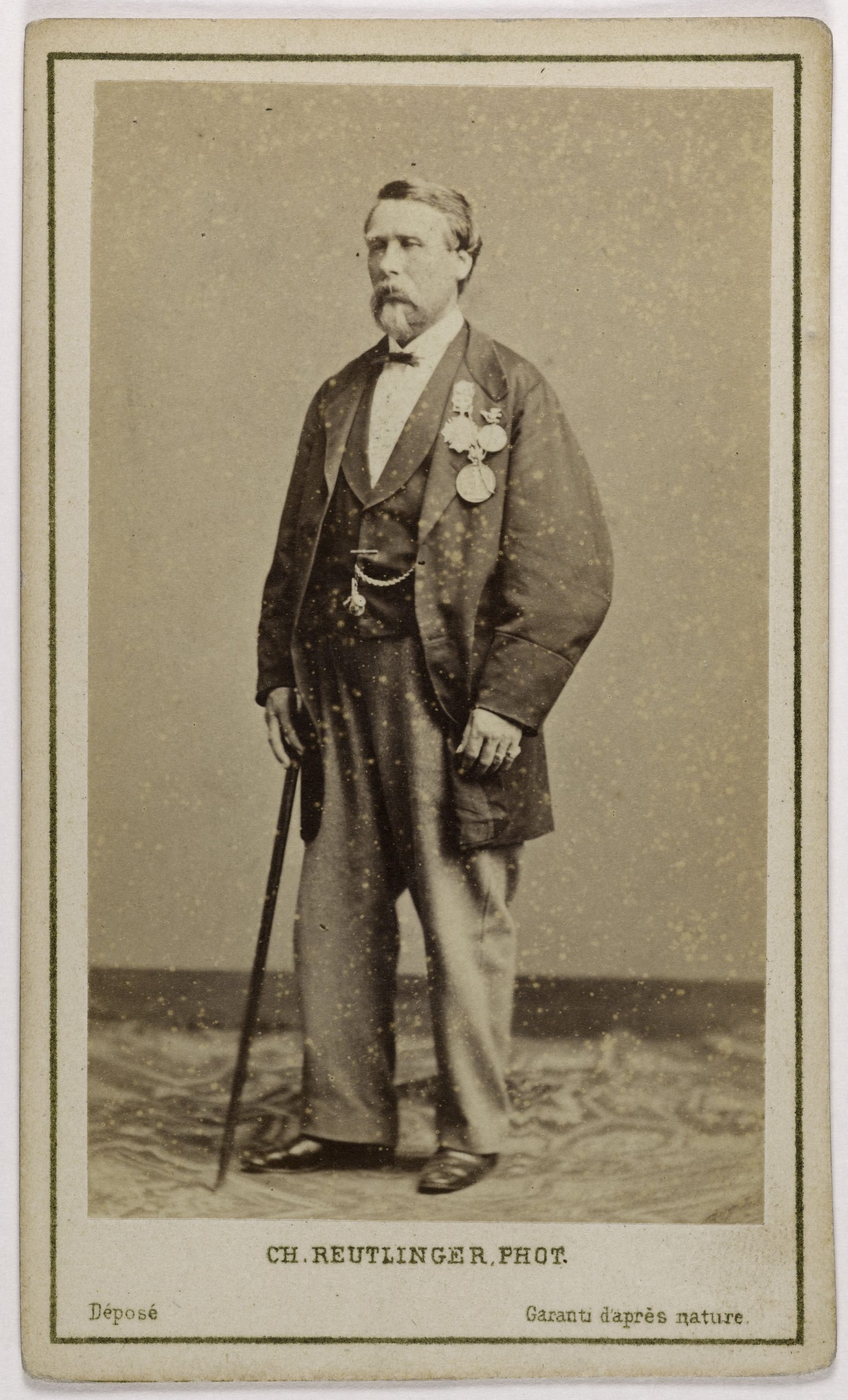
Charles Blondin:
A Life Above Niagara
Archival portraits: Alexander Gardner / Library of Congress (digitally cleaned); Hollinger & Co. / Library of Congress; Charles Reutlinger / Paris Musées, Musée Carnavalet (CC0). Image sources and historical context are linked in each story.
Latest Stories
Browse the archive →-
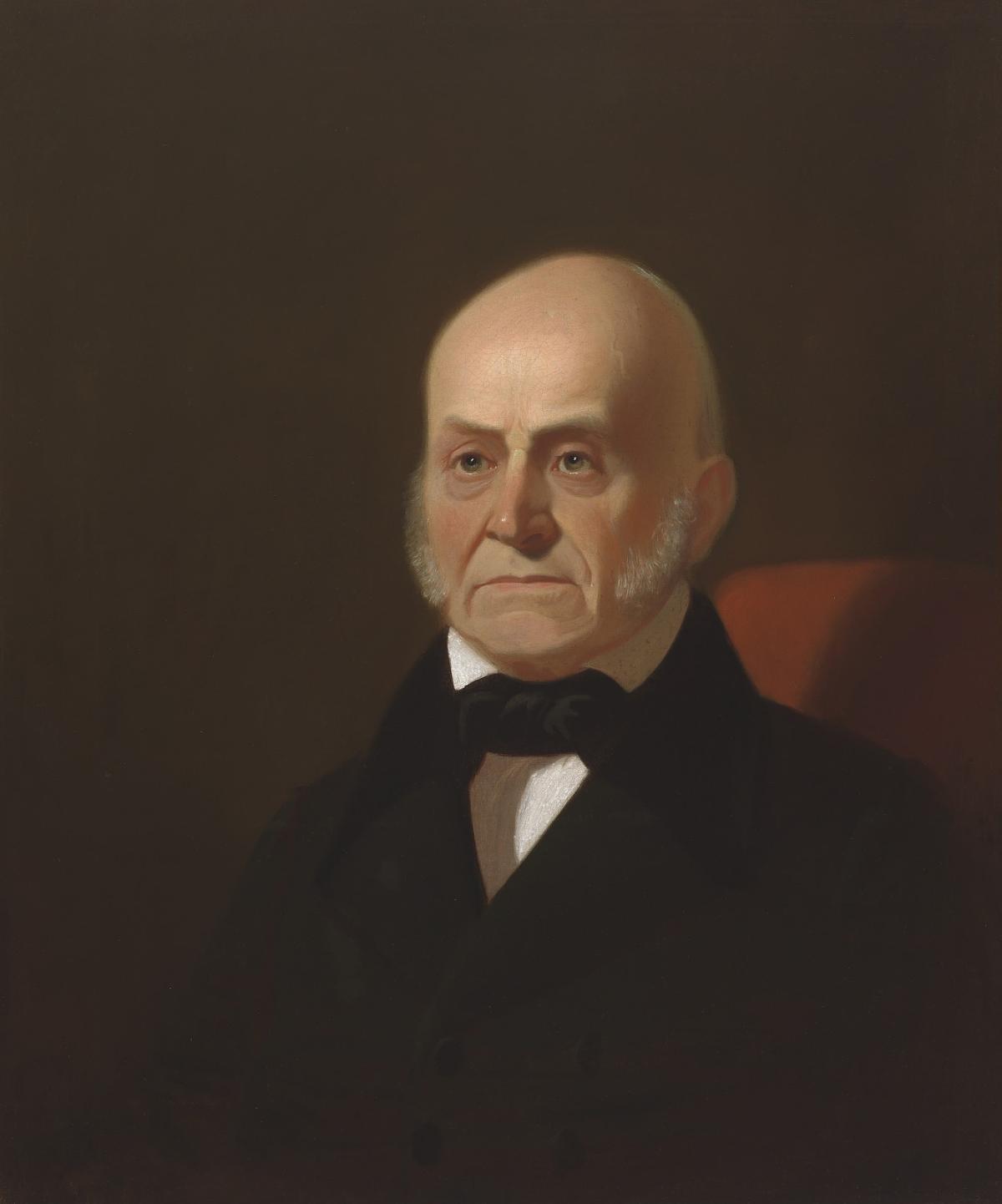
US Presidents 6–10: John Quincy Adams to John Tyler
Explore US presidents 6–10, from John Quincy Adams to John Tyler, with their political parties, achievements, controversies and the crises…
-
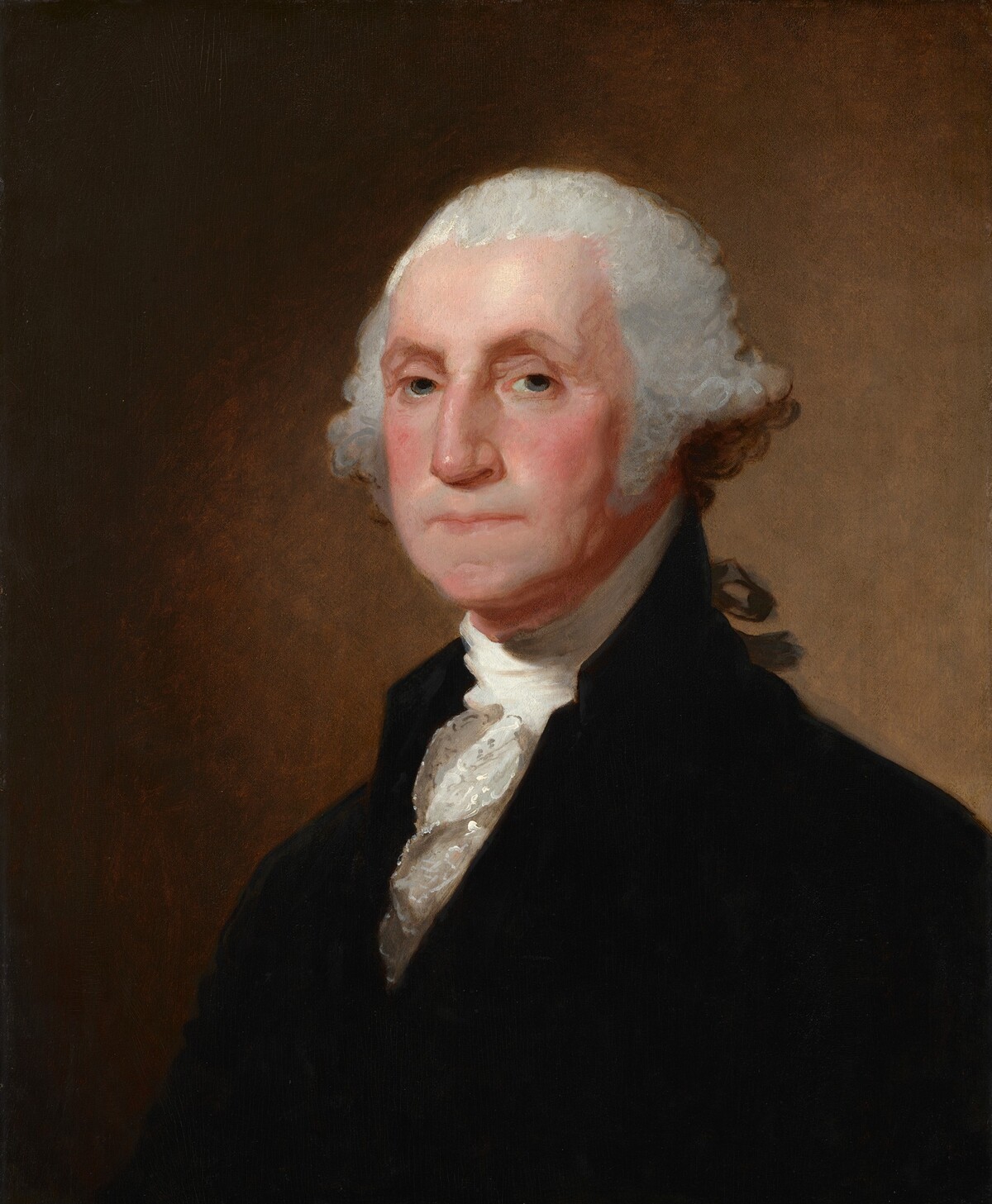
The First Five US Presidents: Washington to Monroe
Meet the first five US presidents, from George Washington to James Monroe, with their political parties, achievements, challenges and lasting…
-
Calamity Jane: The Woman Behind the Wild West Legend
Meet Martha Canary, the real Calamity Jane, through public-domain portraits, frontier publicity, and the disputed stories that shaped her legend.
-
Joshua Slocum: The Sailor Who Went Around the World Alone
Joshua Slocum rebuilt an old boat and sailed it around the world alone. Explore the Spray, his extraordinary voyage, and…
Explore the past
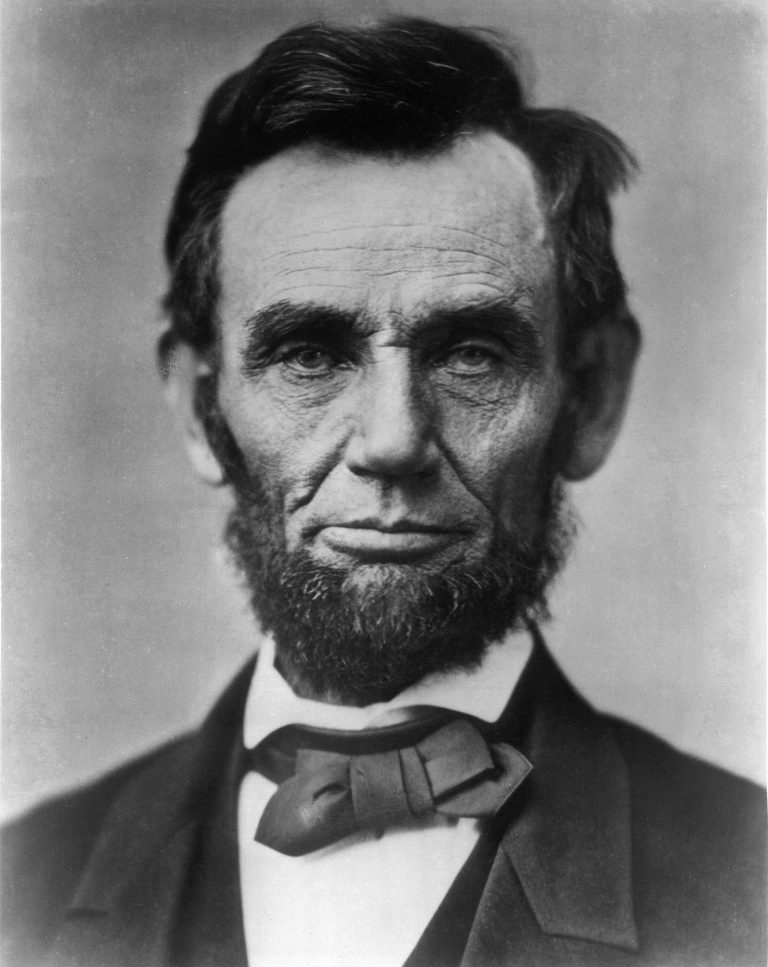
American Presidents
The people who shaped a nation →
Victorian Lives
An extraordinary world of characters →
A World to Discover
Journeys, discoveries and remarkable lives →
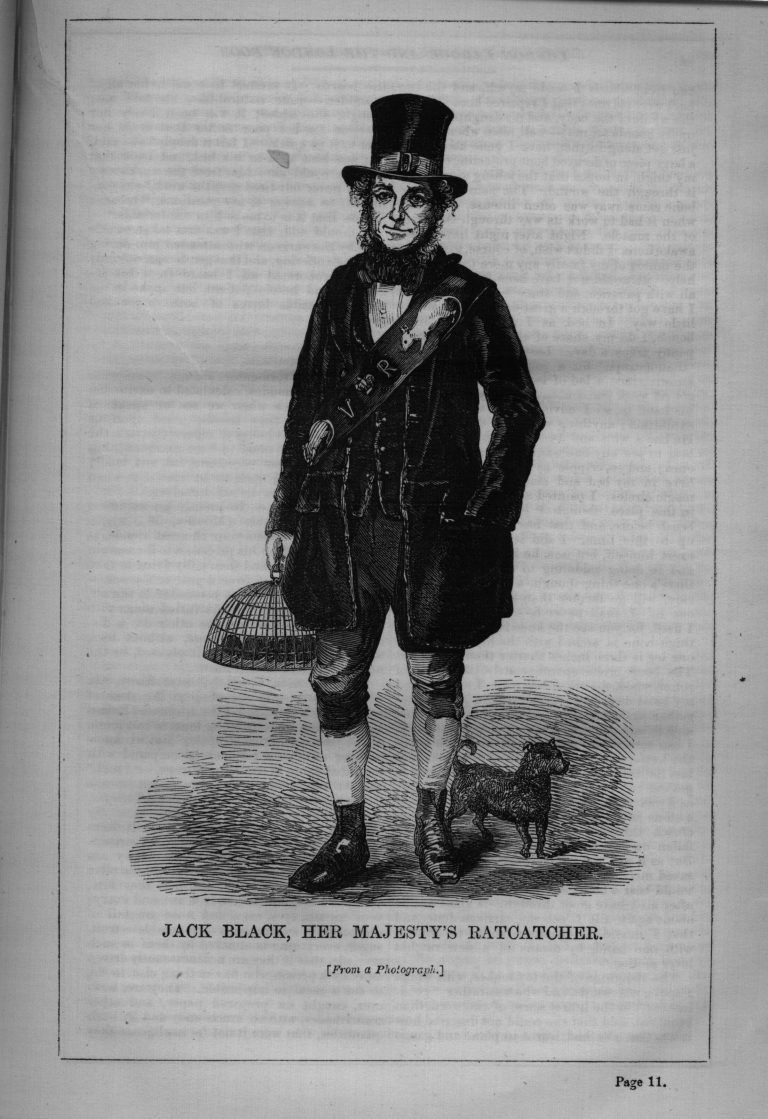
Browse matching stories from the archive. Jack Black is shown in a historical engraving from Henry Mayhew’s London Labour and the London Poor.
Bringing History To Life explores remarkable people and the images they left behind. Created by Matt, with sources, image credits and room for the uncertainties of history.
Our editorial standards →