
Almanzo Wilder: The Life of Laura Ingalls Wilder’s Husband
Almanzo Wilder is often introduced as Laura Ingalls Wilder’s husband. Yet his own life stretched from a farm in northern New York to a homestead in Dakota Territory and, finally, a lasting home in the Missouri Ozarks. He was a farmer and father whose childhood memories became Farmer Boy, and whose adult years included illness, bereavement, and the work of starting again.
His story belongs alongside Laura’s rather than behind it. Before he appeared in her books, Almanzo had already learned the rhythms of a working farm, left home for the West, and tried to build an independent life.
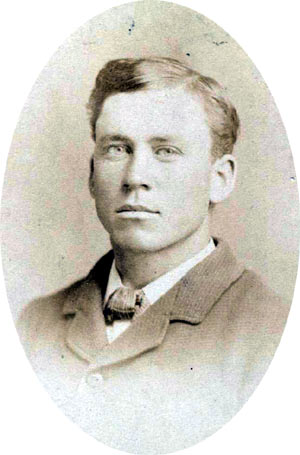
A Farmer’s Son in Northern New York
Almanzo James Wilder was born on February 13, generally recorded as 1857, near Malone in northern New York. His parents were James and Angeline Wilder, and he was the fifth of their six children. His siblings were Laura Ann, Royal, Eliza Jane, Alice, and Perley Day. [National Register documentation]
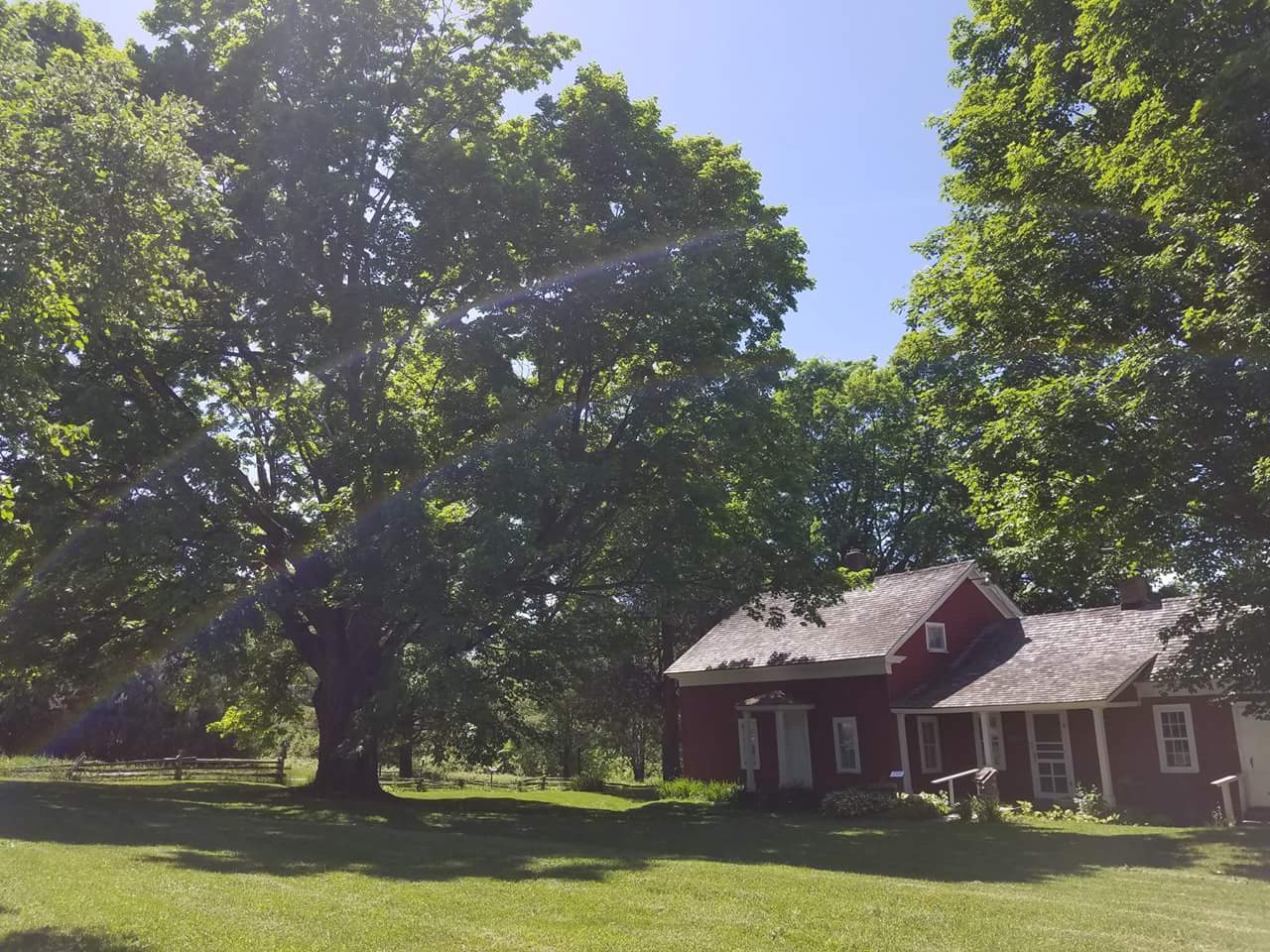
James Wilder developed the family farm, and Almanzo grew up in a household organized around the land and its seasons. The family home survives today at the Wilder Homestead near Malone, offering a physical connection to the world described in Farmer Boy. [Wilder Homestead]
A note on dates: some references give Almanzo’s birth year as 1859. This article follows the 1857 date used by the National Archives and the homestead’s National Register documentation. Records and literary retellings do not always agree about his age. [National Archives]
The Boy Who Became Farmer Boy
Published in 1933, Farmer Boy grew from Almanzo’s recollections of his New York childhood. It occupies a distinctive place in the Little House series because it follows the boy who would eventually marry Laura, rather than Laura herself.
The farm was both a home and a workplace. Caring for livestock, growing food, storing supplies, and maintaining buildings shaped the family’s daily life. For readers, those routines make the past tangible: the story is concerned with the skills and effort that kept a household supplied through the year.
Almanzo supplied more than anecdotes. The National Register account explains that he drew sketches of the house and farm for Laura. Those drawings later helped researchers understand the property. The homestead’s original farmhouse remains, while the barns visible to visitors today are reconstructions. [National Register documentation]
Going West and Claiming a Homestead
After the Wilder family’s move to Minnesota in the 1870s, Almanzo continued west. In 1879, he went to Dakota Territory with his brother Royal and sister Eliza Jane. All three pursued homesteads near De Smet; Eliza Jane also taught school.
This was a different farming world from the established New York property of his childhood. Homesteading meant meeting legal requirements as well as doing agricultural work. Claimants generally had to build a home, cultivate the land, and reside there for five years.
Almanzo’s surviving homestead records describe a small frame house with a cellar and two stables. They bring the farmer into focus through the practical things he needed: shelter, buildings for his animals, and land he could work. These federal records also help distinguish the historical Almanzo from his portrayal in the novels. [National Archives]
Almanzo and The Long Winter
Readers also remember Almanzo through The Long Winter, Laura’s account of the severe winter of 1880–1881. In the novel, he and Cap Garland undertake a dangerous journey to obtain wheat for a community cut off by blizzards.
The winter itself was no invention. The National Archives discusses letters and weather records that support the severity of the conditions. The wheat journey should still be understood as an episode preserved through Laura’s literary account, rather than as a scene documented in every detail by an independent record. [National Archives]
Marriage to Laura Ingalls
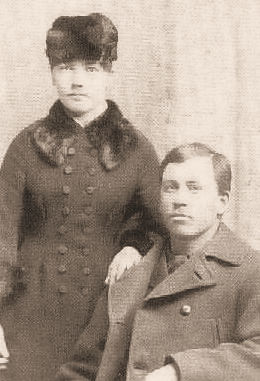
Almanzo married Laura Elizabeth Ingalls on August 25, 1885, in De Smet, Dakota Territory. Laura was 18. Using the 1857 birth date, Almanzo was 28, approximately ten years older than his bride. [Kansas Historical Society]
Their marriage brought together two people deeply familiar with rural work. Laura had taught school, while Almanzo had been establishing himself as a farmer. They began their married life near De Smet, hopeful about the home and future they would build together.
Their Two Children
Almanzo and Laura had two children. Their daughter, Rose Wilder, was born on December 5, 1886. She later became Rose Wilder Lane, a journalist and author who also served as her mother’s editor and collaborator on the Little House books. [National Archives]
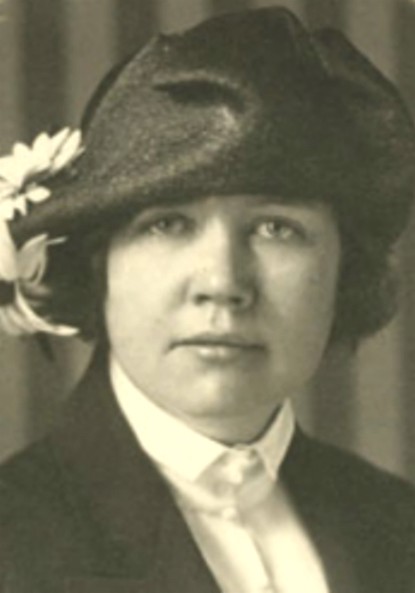
Their second child, an unnamed son, was born in 1889 and died at 12 days old. He is commonly remembered as Baby Boy Wilder. Rose was their only child to reach adulthood. Their son’s death is an important part of the family’s history, even though Rose is much better known. [U.S. Census Bureau]
For the other side of their shared story, read Laura Ingalls Wilder: Her Life, Marriage, and Children.
Illness and the Loss of Their Dakota Home
The Wilders’ early married years were troubled by far more than one failed season. Laura and Almanzo contracted diphtheria in 1888. Almanzo survived a serious illness but faced a difficult recovery and lasting physical effects.
Drought, crop failures, and a house fire added to their problems. Alongside the loss of their infant son, these setbacks made their Dakota years a period of repeated disruption rather than the secure beginning they had hoped for.
The family spent time in Minnesota with Almanzo’s relatives and later tried living in Florida, hoping a warmer climate would aid his recovery. Eventually they sought another fresh start in Missouri. [U.S. Census Bureau]
Building a Life at Rocky Ridge Farm
In 1894, Almanzo, Laura, and Rose moved to the Mansfield area of Missouri. Rocky Ridge Farm became the place where Almanzo and Laura finally put down enduring roots. They developed a business based on poultry, dairy farming, and fruit. [U.S. Census Bureau]
The contrast with their earlier years is striking. Their story had involved leaving homes, losing crops, and relying on family help. In Missouri, the same couple gradually created a more settled life. The farmhouse and the work around it became the setting for the later chapters of their marriage.
While Laura developed her writing career, Almanzo’s memories provided the material for Farmer Boy. Rose helped shape her mother’s manuscripts for publication. The resulting books preserved the experiences of more than one generation, with Almanzo’s New York childhood taking its place beside Laura’s western one. [National Archives]
His Final Years and Legacy
Almanzo died in Mansfield on October 23, 1949. He and Laura had been married for more than 64 years. Laura outlived him, dying on February 10, 1957, shortly after her 90th birthday. [Kansas Historical Society]
His boyhood home in New York and the Wilders’ Missouri home preserve different parts of the same life: the farm where he grew up and the place where he grew old. Together with photographs, manuscripts, and homestead records, they make it possible to look beyond the familiar character and see the man.
Almanzo’s legacy is not only that he married a famous writer. His recollections helped create one of her best-loved books, and his long working life gives that story its foundation. In Farmer Boy, the childhood he remembered continues to reach readers who have never milked a cow, tended an orchard, or watched a harvest decide a family’s prospects.
A surviving house is not an untouched nineteenth-century scene
The color photograph of the Wilder Homestead was taken in 2018. The visitor information near the entrance and the maintained grounds belong to a modern heritage site. The picture helps locate Almanzo’s childhood, but it is not a photograph of his family’s farm at work in the 1860s.
The Almanzo Wilder Farm’s own building history makes an important distinction: the house has been restored, the barns reconstructed, and the replica schoolhouse built in 2013. Those differences matter when using present-day photographs to imagine a historical setting. A surviving building, a restoration, and a reconstruction are different kinds of evidence.
Farmer Boy is another layer of interpretation, shaped from recollections into a children’s novel. It can suggest questions about food, chores, schooling, and family life, but a passage in the book does not prove that every detail visible at the museum is original. Read the memoir-based story alongside the site’s documentation, rather than treating either as a complete record of one moment. See Laura’s biography for the writer’s part in preserving and shaping those memories.
Photograph Credits
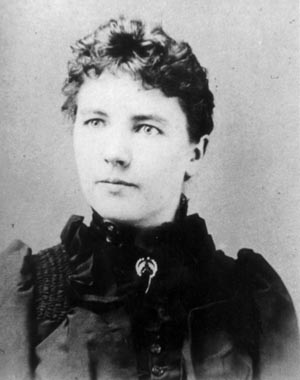
The three archival portraits are listed as public domain on Wikimedia Commons. The modern photograph of Almanzo’s boyhood home is by Kyle Flint and is reused under CC BY-SA 4.0, with attribution and a license link in its caption.
Discover more historical photographs and family stories, or view our photo restoration, colorization, and video pricing.
Editorial and source note
Prepared for Bringing History To Life with AI-assisted research and drafting. Historical sources and image records are linked for readers to check. The image commentary is editorial interpretation of the reproductions shown, with limits and uncertainties identified.
If you want your photos bringing back to life, send me a message on any of my social media accounts. Follow me across social media for historical photo restorations, AI colorizations, and videos bringing the past to life!
Instagram: https://www.instagram.com/bringing_history_to_life/
Facebook: https://www.facebook.com/bringinghistory2life |
TikTok: https://www.tiktok.com/@bringing_history_to_life |
YouTube: https://www.youtube.com/@bringing_history_to_life



One Comment