Queen Victoria and Prince Albert: Their Parents, Nine Children and Royal Legacy
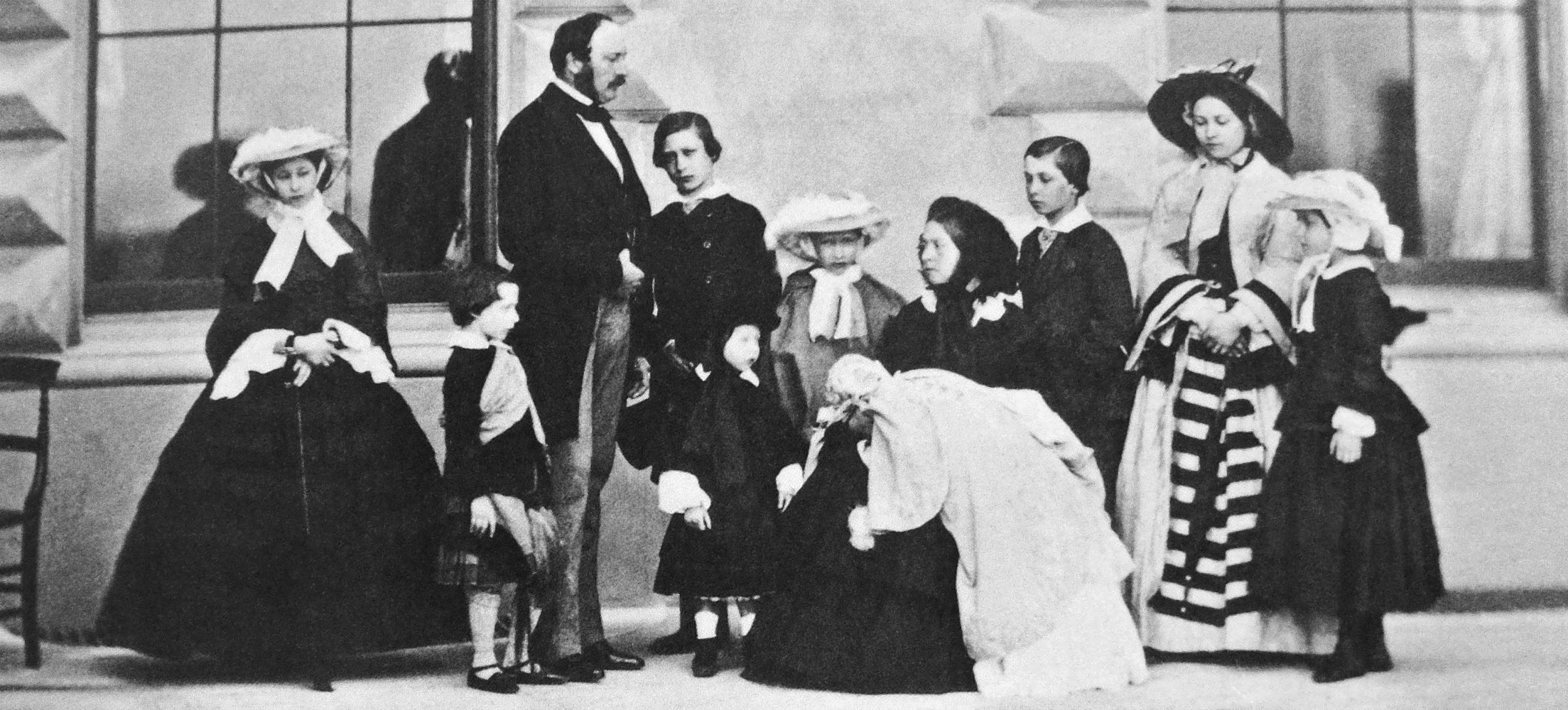
Queen Victoria and Prince Albert had nine children, and their family became one of the most widely recognised in nineteenth-century Europe. In photographs they appear together at their homes, surrounded by sons and daughters who would later marry into other royal households. Behind those images was a marriage that also shaped the work of the British monarchy.
Victoria was the sovereign. Albert became her closest adviser and, eventually, her formally titled Prince Consort. His death in 1861 divided her adult life into two very different periods. She had been queen for more than twenty years with him beside her and would remain on the throne for almost forty years without him.
Her reign lasted from 20 June 1837 to 22 January 1901. To understand what she did during those years, it helps to begin with the families that produced the royal couple.
Who were Queen Victoria’s parents?
Victoria’s father was Prince Edward Augustus, Duke of Kent and Strathearn, the fourth son of King George III. Her mother was Princess Victoria of Saxe-Coburg-Saalfeld, usually known as the Duchess of Kent.
Her mother had been married before and had two children, Carl and Feodora, from that marriage. Queen Victoria was the only child of the Duke and Duchess of Kent together. She therefore had two older half-siblings, even though she had no full brothers or sisters.
The duke died on 23 January 1820, when his daughter was only eight months old. The Royal Archives’ account of his papers records both the family’s financial difficulties and his short final illness. Victoria grew up without knowing her father.
Who were Prince Albert’s parents?
Albert was the second son of Ernest I, Duke of Saxe-Coburg and Gotha, and Princess Louise of Saxe-Gotha-Altenburg. He was born in 1819, the same year as Victoria.
They were first cousins. Victoria’s mother and Albert’s father were siblings. Their shared uncle Leopold, later King of the Belgians, was another important figure in their family circle. The Royal Collection Trust’s biography of Albert explains their relationship and the events leading to their marriage.
| Person | Father | Mother |
|---|---|---|
| Queen Victoria | Prince Edward Augustus, Duke of Kent and Strathearn | Princess Victoria of Saxe-Coburg-Saalfeld, Duchess of Kent |
| Prince Albert | Ernest I, Duke of Saxe-Coburg and Gotha | Princess Louise of Saxe-Gotha-Altenburg |
How Victoria became queen at eighteen
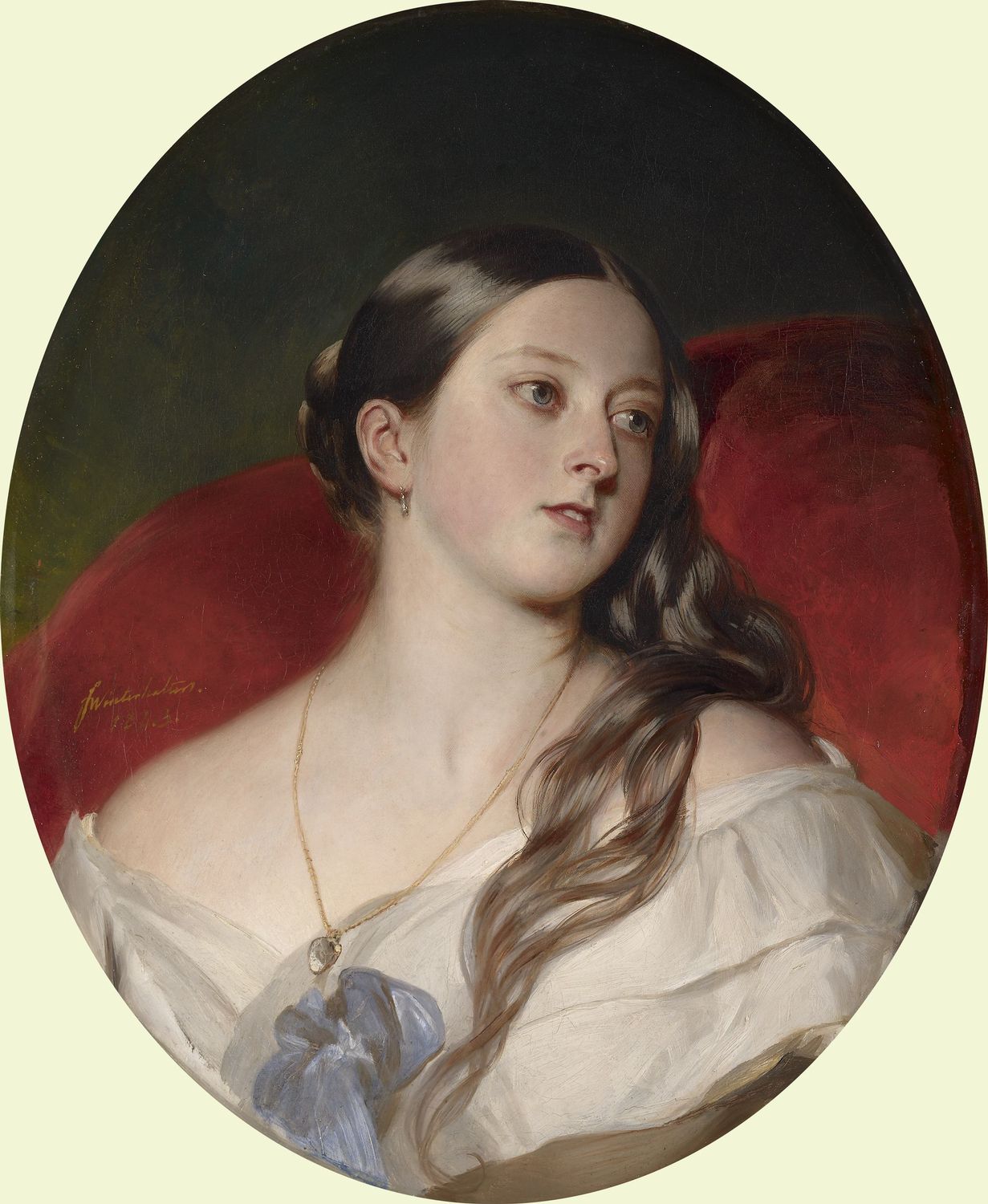
Born at Kensington Palace on 24 May 1819, Victoria was christened Alexandrina Victoria. Her place in the succession depended on several older relatives. Their deaths, and the absence of surviving legitimate children of William IV, eventually brought the crown to her.
She became queen when William IV died on 20 June 1837, less than a month after her eighteenth birthday. Her coronation followed on 28 June 1838.
Victoria had grown up under close supervision at Kensington. Accession gave her an independence she had not previously enjoyed, but it also required her to learn the routines and responsibilities of government. Her first prime minister, Lord Melbourne, became an important early guide. Historic Royal Palaces traces her childhood and early reign.
Victoria and Albert’s marriage
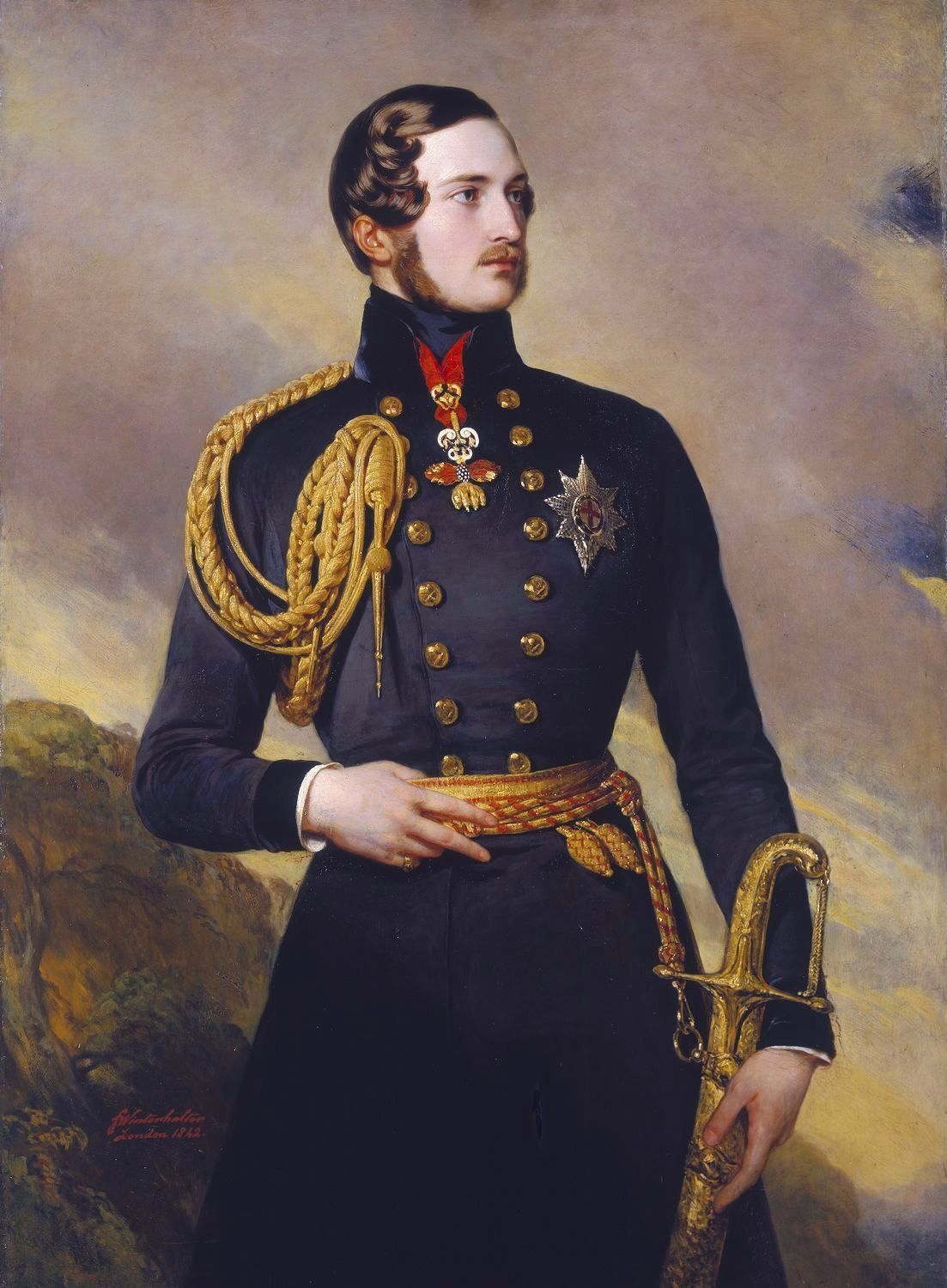
Victoria and Albert first met in 1836. When they met again in October 1839, she decided she wanted to marry him. As the reigning queen, she made the proposal herself.
They married on 10 February 1840 in the Chapel Royal at St James’s Palace. Both were twenty years old. Their marriage brought Albert into a difficult position: he was the queen’s husband, but he was not a king and did not possess her authority.
Over time, he took on a substantial share of royal work, advising Victoria and helping with correspondence and affairs of state. In 1857, she formally gave him the title Prince Consort. The title recognised his position without making him a joint sovereign. The royal timeline records their engagement, wedding and Albert’s later title.
How many children did Victoria and Albert have?
They had nine children: five daughters and four sons, born between 1840 and 1857. The eldest was Princess Victoria. The youngest was Princess Beatrice.
Their eldest son, Albert Edward, was the heir and later became King Edward VII. Their eldest daughter became German Empress. Other children acquired titles through marriage or inherited responsibilities of their own.
| Child | Born | Later title or identity |
|---|---|---|
| Victoria | 1840 | Princess Royal, later German Empress |
| Albert Edward | 1841 | Prince of Wales, later King Edward VII |
| Alice | 1843 | Grand Duchess of Hesse and by Rhine |
| Alfred | 1844 | Duke of Edinburgh, later Duke of Saxe-Coburg and Gotha |
| Helena | 1846 | Princess Christian of Schleswig-Holstein |
| Louise | 1848 | Duchess of Argyll |
| Arthur | 1850 | Duke of Connaught |
| Leopold | 1853 | Duke of Albany |
| Beatrice | 1857 | Princess Henry of Battenberg |
The names and dates are recorded by the Royal Collection Trust. Their marriages helped connect Victoria’s family to royal houses across Europe.
What was life like for their children?
At Osborne on the Isle of Wight, the children had room for activities beyond formal palace life. They gardened, collected natural-history specimens, and used the Swiss Cottage and its surroundings for practical lessons.
English Heritage’s account shows individual interests emerging within the large family. Alfred enjoyed making and dismantling things in his workshop. Helena liked gardening and horses. Louise developed considerable artistic talent and later had a sculpture studio at Osborne.
These details give the family photographs more meaning. The children shared a highly organised upbringing, but they were not interchangeable figures arranged around the throne. They had different abilities, temperaments and expectations placed upon them. English Heritage introduces the nine children and their lives at Osborne.
What did Queen Victoria actually do during her reign?
Victoria worked within a constitutional monarchy. Ministers and Parliament governed, while the sovereign retained influence through appointments, private discussions, correspondence and the formal duties of the Crown. She had strong political opinions and was not simply a silent ceremonial figure.
The Royal Household’s account of her reign describes her interventions with ministers and her influence in foreign affairs. Her role changed over time as direct political power moved further towards elected government.
That distinction matters when discussing Victorian achievements. Industrial development, new infrastructure and political reform happened during her reign. They were the work of many people and institutions, rather than projects she personally directed.
She supported public service and recognised military bravery
The royal couple made official visits and attended openings of institutions, helping establish familiar forms of royal public work.
Victoria also took a personal interest in soldiers. The Victoria Cross was instituted by Royal Warrant on 29 January 1856, during the Crimean War. It was open to all ranks and rewarded exceptional gallantry in the face of the enemy.
She presented the first sixty-two crosses in Hyde Park in June 1857. The National Army Museum explains the award’s foundation and first presentation. It remains a concrete example of an institution created under her authority that outlasted her reign.
Victoria and Albert championed art, design and new technology
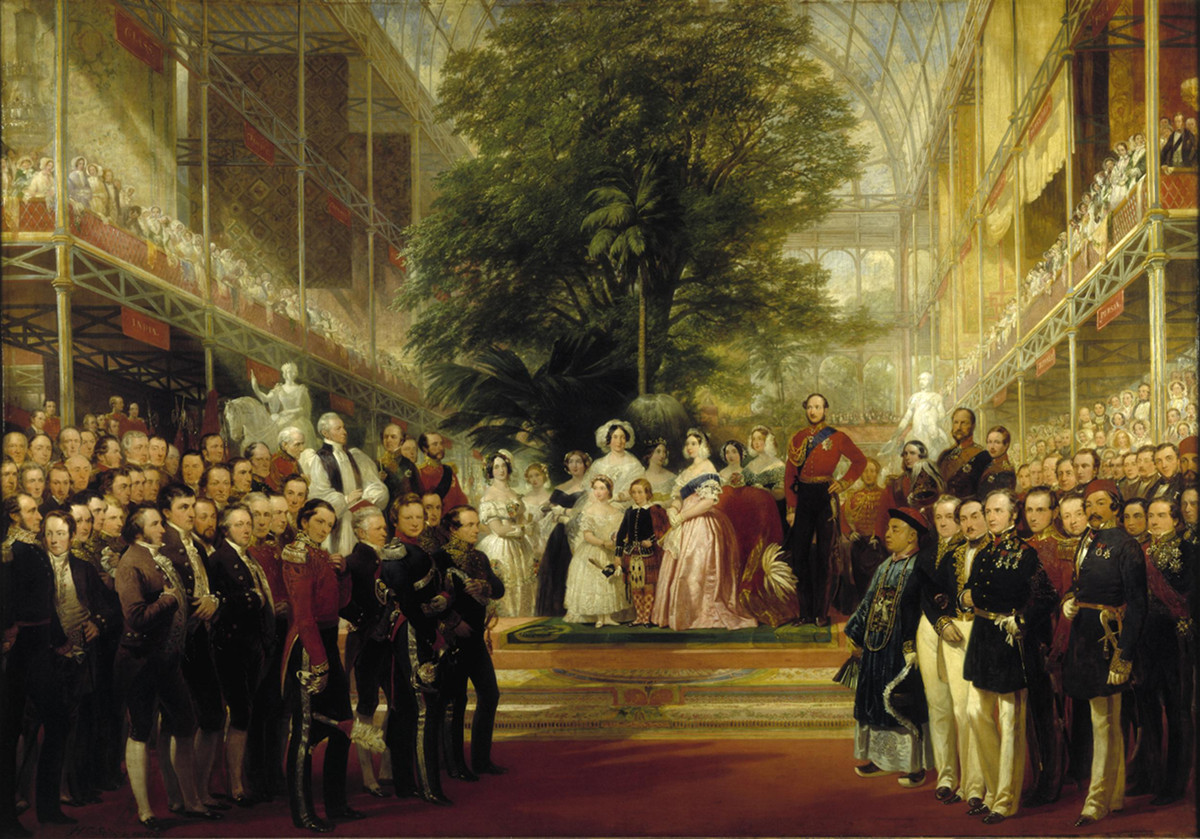
Albert’s best-known public achievement was his leading role in organising the Great Exhibition of 1851, alongside Henry Cole and others. Victoria opened it on 1 May.
Inside the Crystal Palace in Hyde Park, visitors encountered machinery, manufactured goods and decorative art from around the world. More than six million visits were recorded during its run.
It was a collective undertaking, supported by royal patronage. The V&A’s history of the exhibition places Albert within the longer campaign to improve design and manufacturing. Its profits helped fund the development of South Kensington as a centre of museums and education.
Albert also supported photography, artistic study and the organisation of the Royal Collection. The Royal Collection Trust describes his work as a designer, collector and patron. His contribution helps explain why he belongs in the story of the reign, even though Victoria alone held the crown.
Her reign saw wider voting rights, but not democracy for everyone
Parliament passed major electoral reforms in 1867 and 1884. These extended voting rights to more men, although qualifications still excluded many.
Women remained unable to vote in parliamentary elections. The UK Parliament’s account of the 1884 Reform Act makes those limits clear.
Victoria’s lifetime therefore saw a more representative political system emerge, while substantial exclusions survived. These were parliamentary reforms made during her reign, rather than personal gifts from the monarch.
She became a powerful symbol of the British Empire
Following the Indian rebellion of 1857, rule over British India passed from the East India Company to the Crown in 1858. The Royal Titles Act of 1876 enabled Victoria to become Empress of India. Parliament explains this change in imperial government.
Victoria’s image helped present empire as a respectable, unified family under a motherly sovereign. That public image concealed profound inequalities. British expansion involved warfare, coercion, racial hierarchy and the loss of independence for other peoples.
Historic Royal Palaces examines Victoria’s active role in promoting imperial identity. Her legacy includes this support for empire, alongside the cultural patronage and public service associated with her name.
Albert’s death and Victoria’s long widowhood
Albert died at Windsor Castle on 14 December 1861, aged forty-two. His death removed both Victoria’s husband and the adviser on whom she had come to depend.
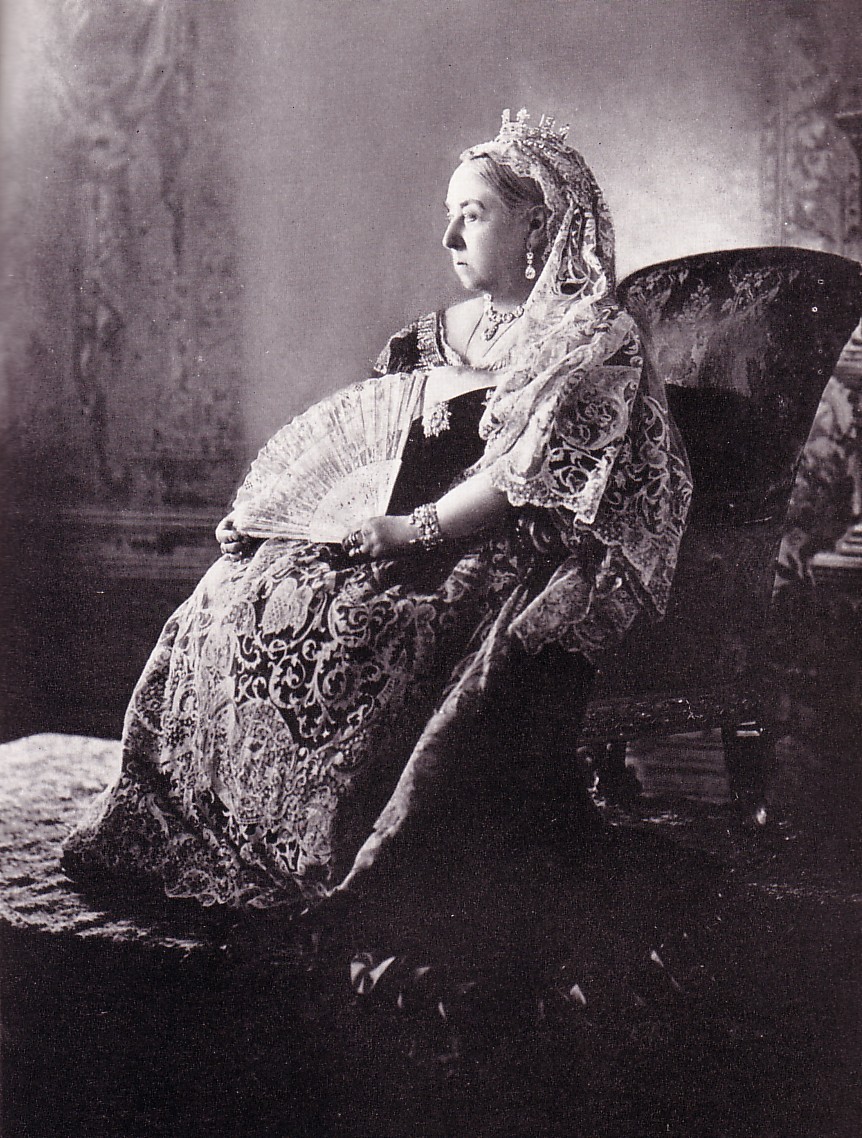
She wore mourning clothes for the rest of her life and greatly reduced her public appearances. She continued official correspondence and meetings, but her prolonged absence from public life attracted criticism.
The familiar image of an elderly queen in black belongs to these later decades. It should not obscure the younger woman who had married Albert, raised their family and worked with him.
Jubilees, death and succession
Her Golden Jubilee in 1887 and Diamond Jubilee in 1897 renewed the monarchy’s public presence. Processions, services, family gatherings and commemorative images linked a long reign to a recognisable individual.
The Royal Collection Trust’s account of the Golden Jubilee shows how private mourning and public celebration could meet: Victoria began the anniversary near Albert’s mausoleum before travelling to London for the festivities.
Victoria died at Osborne House on 22 January 1901, aged eighty-one. Her eldest son succeeded her as Edward VII. She was buried beside Albert at Frogmore.
Their story reaches beyond a royal romance. They raised a family that spread across European dynasties, used art and photography to shape their public image, and helped connect monarchy with cultural institutions and public duties. Understanding their influence also requires recognising the limits of royal power and the human costs of the empire Victoria represented.
Sources and image credits
This article draws on the Royal Archives and Royal Collection Trust, the Royal Household’s historical material, Historic Royal Palaces, English Heritage, the V&A, the National Army Museum and UK Parliament. The family summary, Albert biography, royal timeline and Royal Collection account of Victoria’s death support the principal family dates. The five historical images are public domain, with individual source links beneath each.
Explore more lives in our history articles.
If you want your photos bringing back to life, send me a message on any of my social media accounts.
Follow me across social media for historical photo restorations, AI colorizations, and videos bringing the past to life!