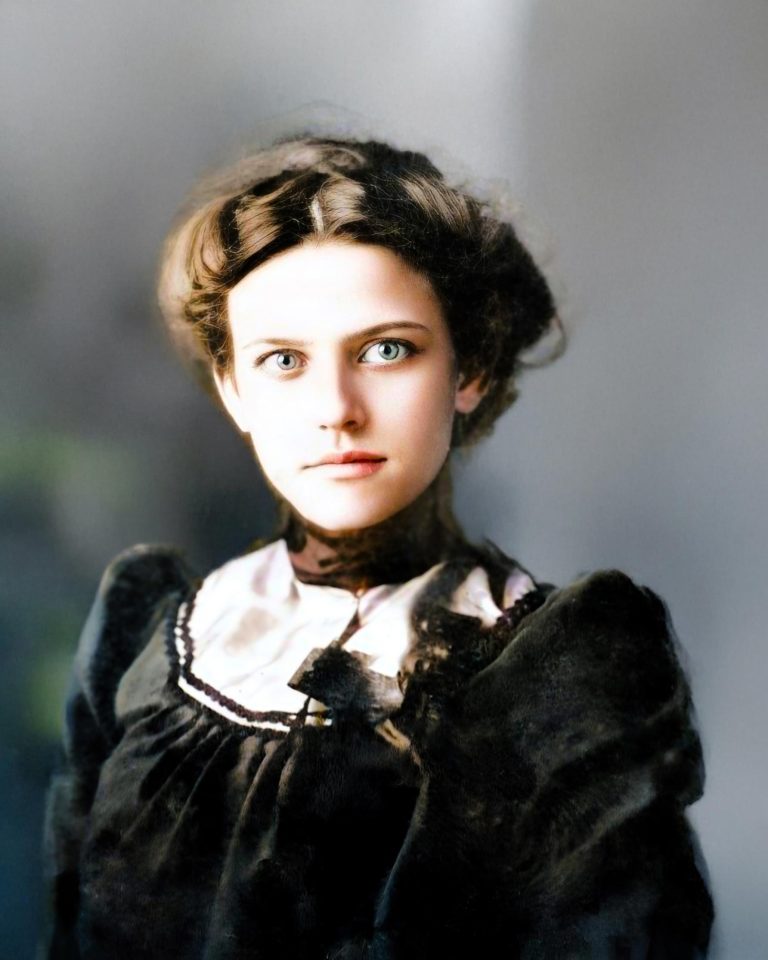
Marie Curie: Her Life, Discoveries, Family, and Nobel Prizes
Marie Curie spent years searching through difficult, messy laboratory work for substances that nobody had previously identified. The results changed science. With Pierre Curie, she discovered polonium and radium, helped establish the study of radioactivity, and became the first person to win two Nobel Prizes.
Her story also includes an education pursued across national borders, a scientific marriage, two daughters, sudden bereavement, and wartime work that took X-ray equipment to wounded soldiers. Following those parts of her life reveals the person behind one of science's most familiar names.
A Childhood in Warsaw
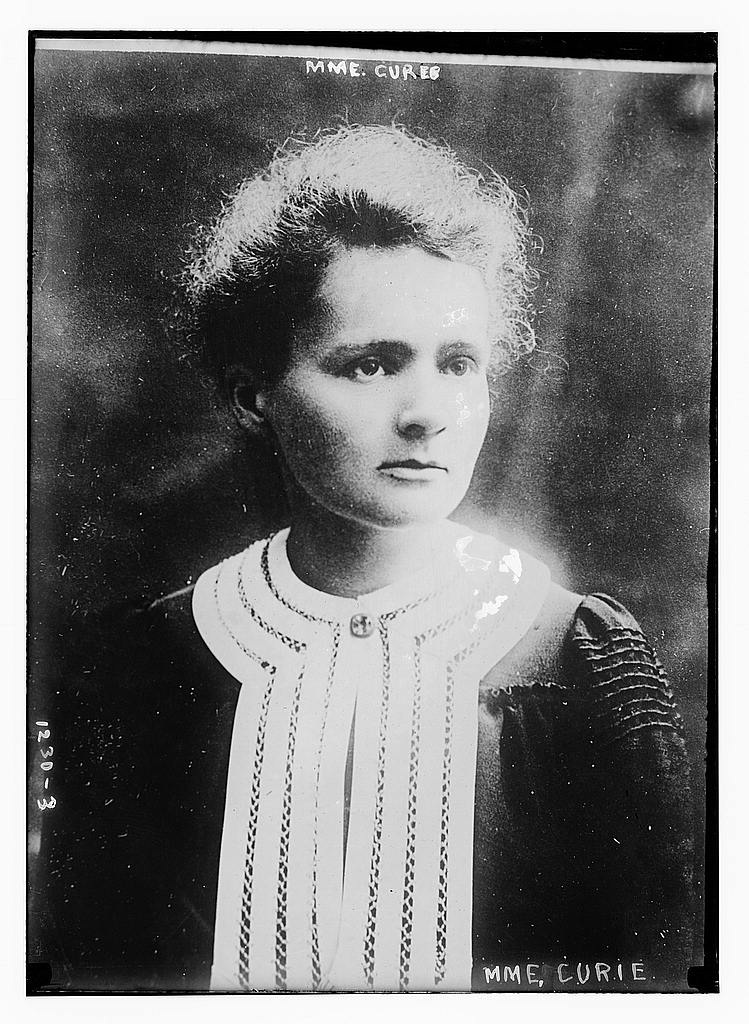
Marie Curie was born Maria Skłodowska in Warsaw on November 7, 1867. Warsaw was then under Russian imperial rule. Her parents were teachers, and education mattered deeply within the family, even when money and opportunity were scarce.
Her route into science was far from straightforward. As a young woman she worked as a governess and tutor, helping support her sister Bronya's medical education in Paris. The sisters intended to help each other obtain opportunities unavailable to them at home.
In 1891, Maria moved to Paris to study at the Sorbonne. There she used the French form of her name, Marie, and pursued physics and mathematics. The move gave her access to the scientific education she had wanted for years. It also began a lasting connection with France, although her Polish identity remained important throughout her life.
Meeting Pierre Curie
Marie met the French physicist Pierre Curie in 1894. They married the following year. Their partnership eventually brought together personal life, experimental skill, and a shared commitment to research.
They had two daughters: Irène, born in 1897, and Ève, born in 1904. Family life developed alongside demanding scientific work, rather than waiting for it to become convenient.
Pierre was already an established researcher when they met. He later set aside his own investigations to join Marie's work on radioactive substances. Describing her simply as his assistant misses how the research began and the independent role she played.
What Did Marie Curie Discover?
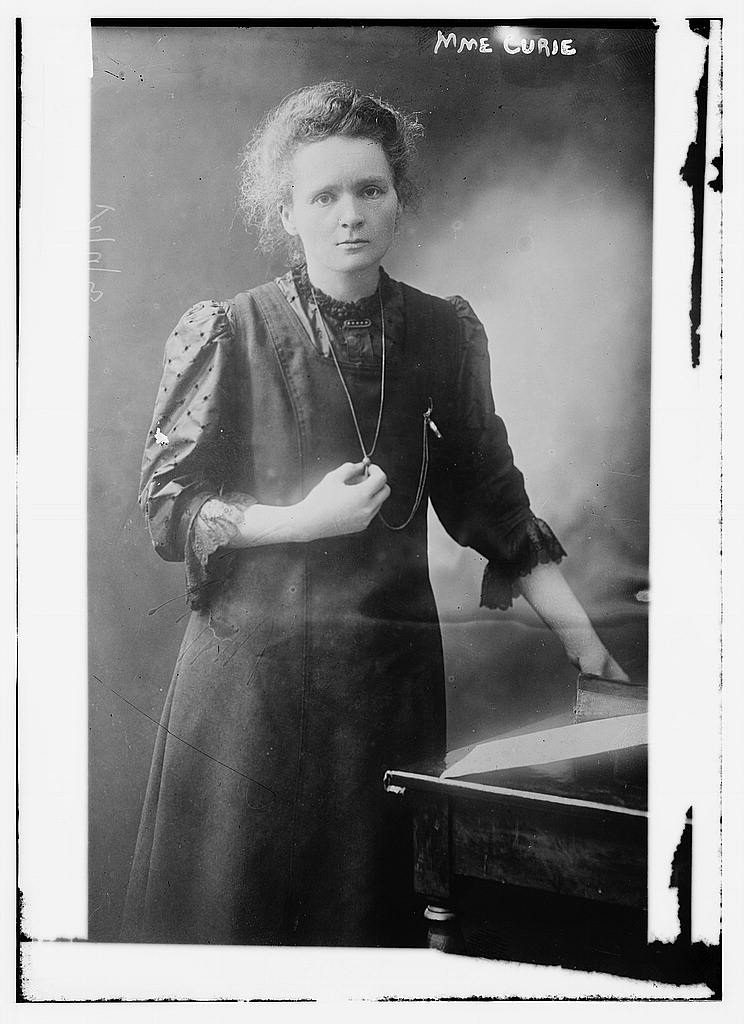
Henri Becquerel's discovery of radiation from uranium in 1896 provided the starting point for Marie's research. She investigated whether other substances produced similar effects and measured the strength of their emissions.
Certain uranium ores were more radioactive than their uranium content could explain. Marie concluded that they might contain unknown radioactive elements. That was a hypothesis to test, not a substance she could immediately hold up for inspection.
Marie and Pierre separated the minerals into different chemical fractions and measured their radioactivity. The process helped them track extremely small quantities of unfamiliar material through a complicated mixture.
In July 1898, they announced polonium, named for Marie's native Poland. In December, they announced radium. The discoveries came from painstaking comparison and chemical separation, not a single spectacular experiment.
The Work Behind the Famous Names
Announcing evidence of new elements did not finish the job. Other scientists needed convincing, and the Curies needed enough material to study its properties.
Their available workspace was poor. They moved demanding processing work into a shed, where extracting and refining tiny quantities required prolonged physical labor. A discovery that sounds neat in a textbook involved difficult equipment, uncomfortable conditions, and repeated separations.
Marie developed methods for obtaining radium compounds from radioactive residues. The work made detailed study possible and helped establish radioactivity as a major research field. It also shows why discovering an element and producing a usable purified sample are different stages of scientific investigation.
Two Nobel Prizes
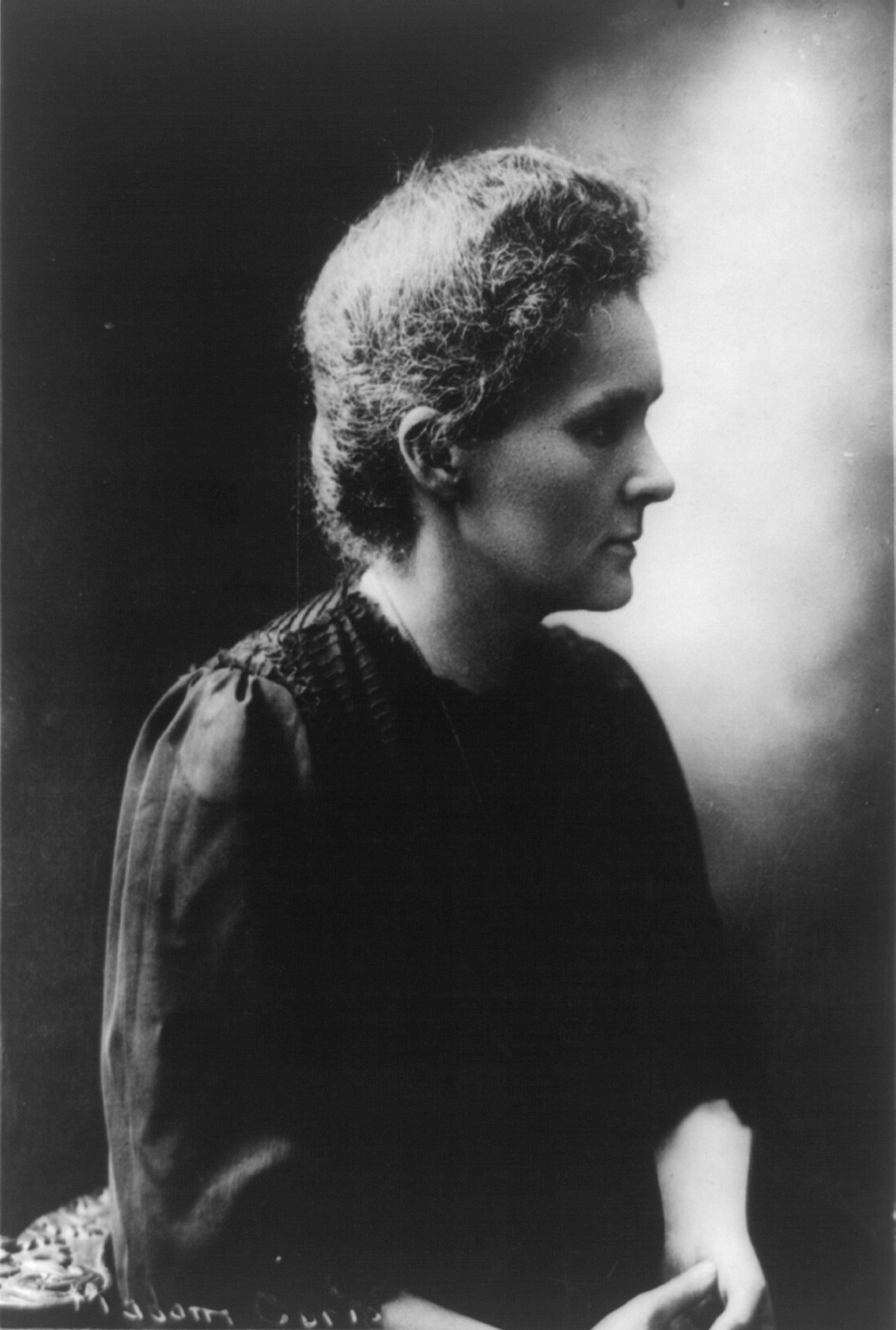
In 1903, Marie and Pierre shared the Nobel Prize in Physics with Henri Becquerel for research into radiation. Marie became the first woman to receive a Nobel Prize.
In 1911, she received the Nobel Prize in Chemistry for work involving polonium and radium. She was the first person awarded two Nobel Prizes and remains the only person to have received them in two different scientific categories.
The distinction matters. Her two awards recognized related work, but they came from separate disciplines: physics and chemistry. Neither prize was awarded for inventing X-rays, a discovery made by Wilhelm Röntgen.
Pierre's Death and Marie's Teaching
Pierre died in a Paris street accident on April 19, 1906. Marie suddenly faced life without her husband and closest scientific collaborator.
She took over his laboratory responsibilities and began teaching his course at the Sorbonne. Her inaugural lecture took place on November 5, 1906. The Musée Curie distinguishes this appointment from her becoming the first woman to hold a full professorial chair at the Sorbonne in 1908.
That detail is often compressed into a single date. Keeping the stages separate gives a clearer picture of her academic career. She continued research while raising her daughters and building an independent professional life after an enormous personal loss.
Taking X-Rays to the Wounded
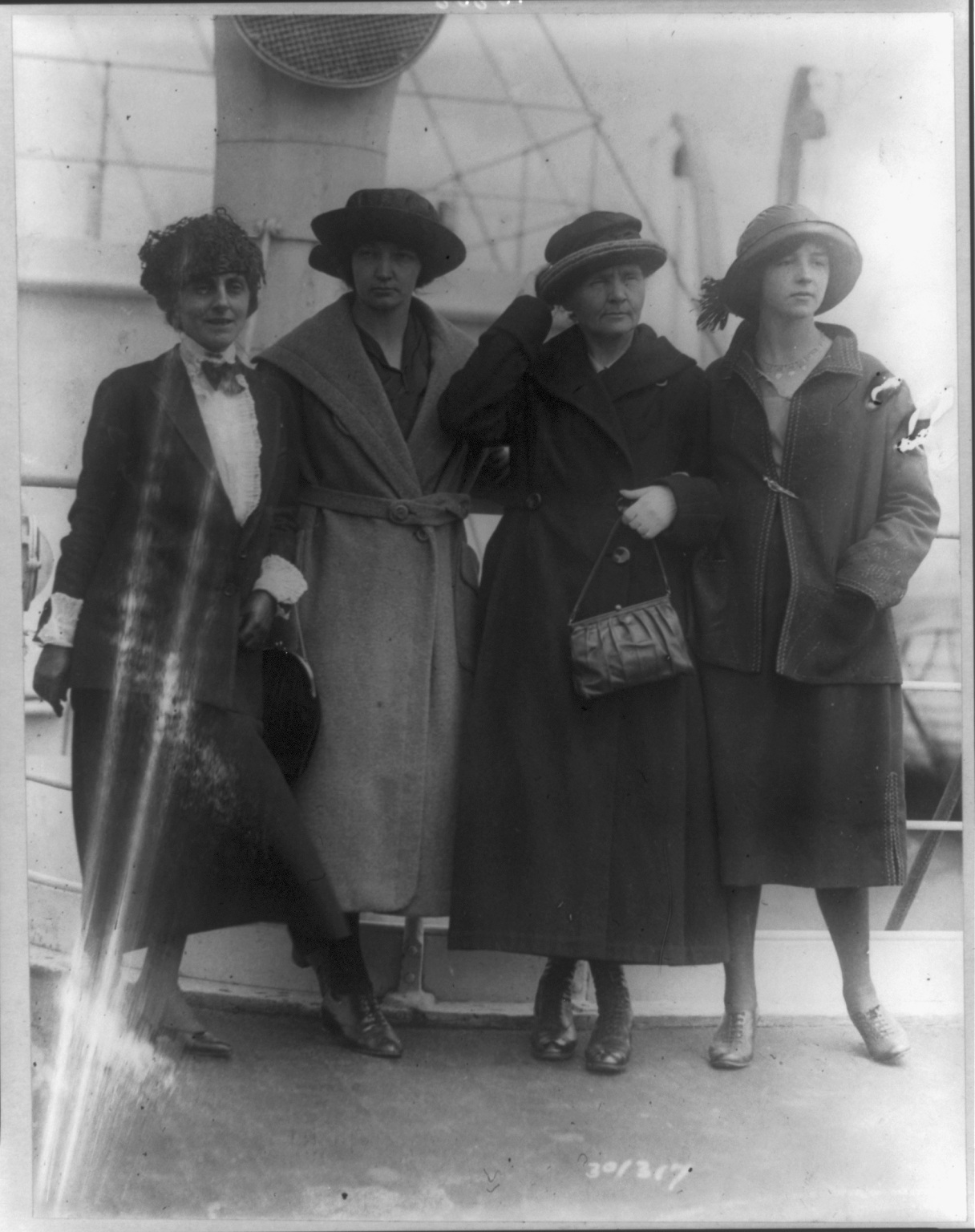
During the First World War, Curie redirected her expertise toward practical medical support. X-rays could help surgeons locate bullets and fragments and examine broken bones without relying entirely on exploratory surgery.
She organized mobile radiology vehicles, later nicknamed the petites Curies. These carried equipment closer to wounded soldiers. Her contribution involved fundraising, obtaining vehicles and apparatus, and learning the practical skills required to operate the service.
Irène worked alongside her. Curie also helped train women as radiological assistants, expanding the number of people able to use the equipment. The program connected laboratory knowledge with urgent needs in wartime hospitals.
Her Later Years and Death
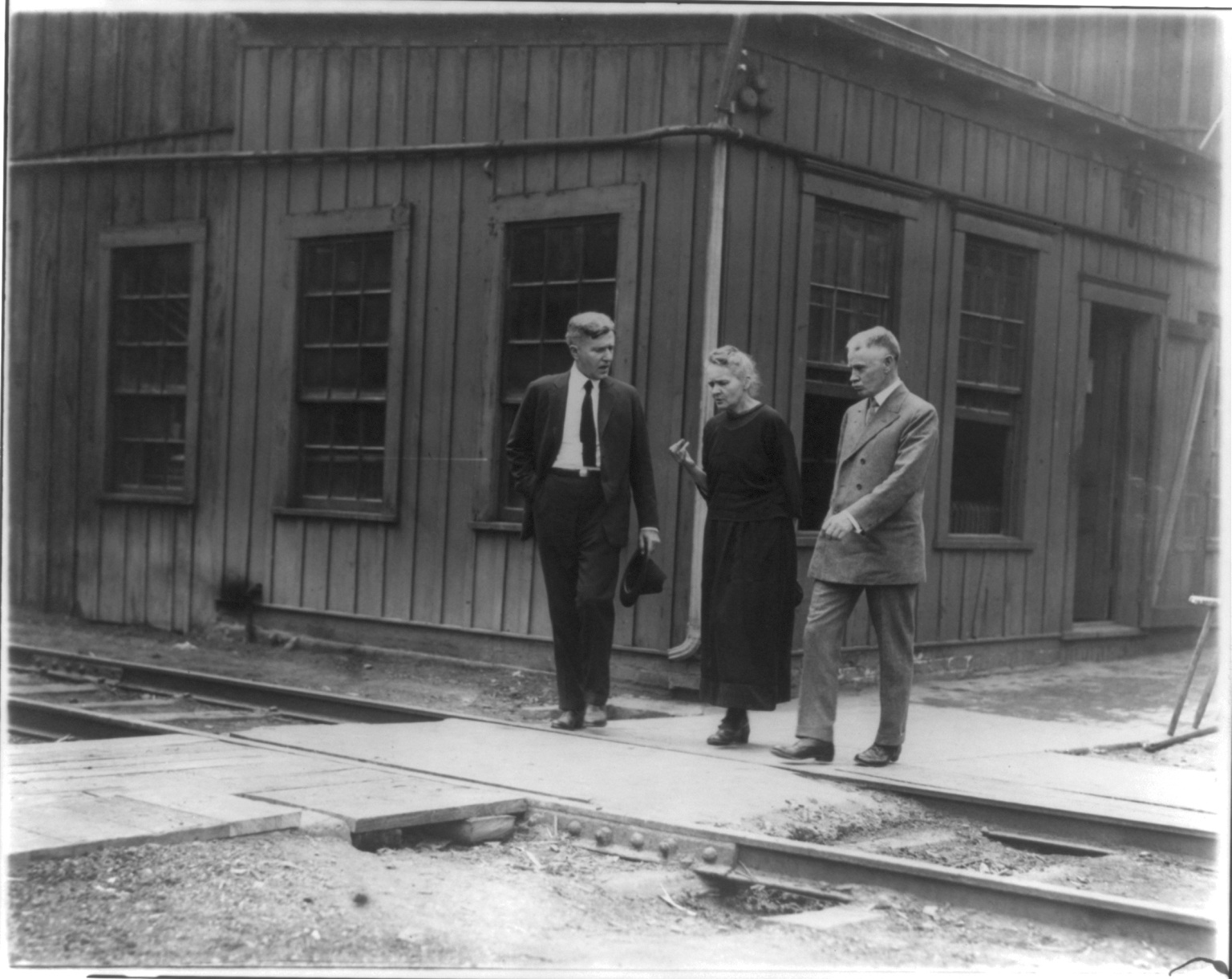
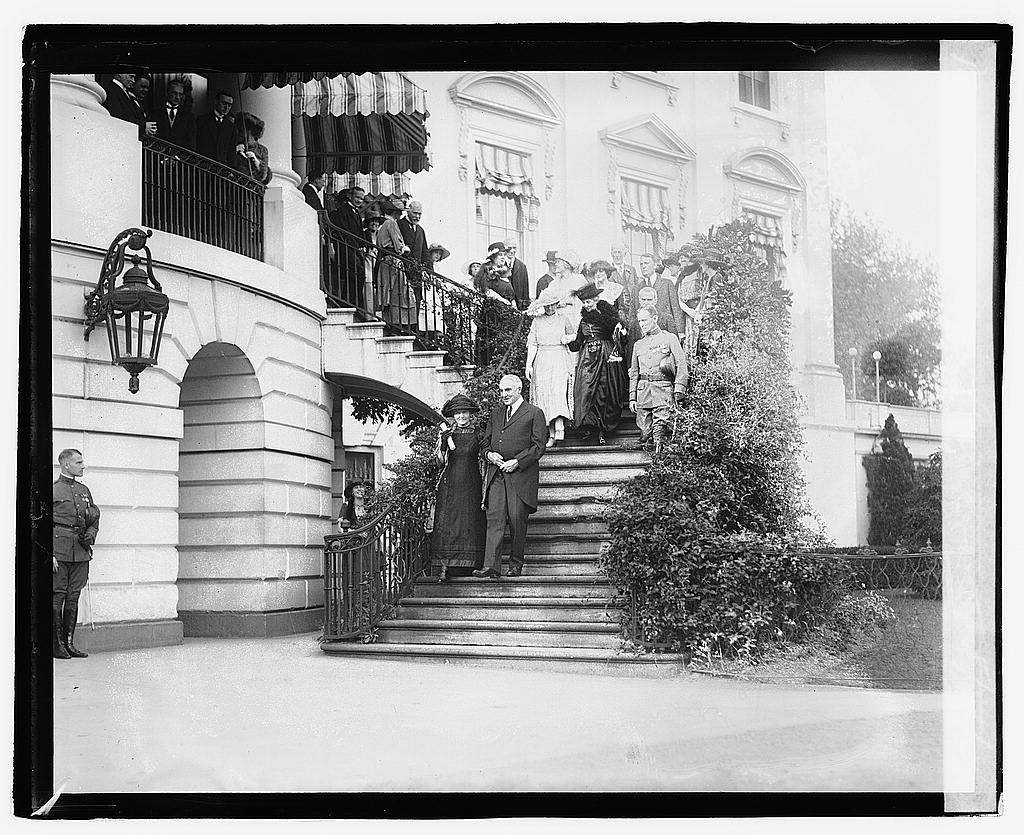
Curie continued to develop research institutions and support the scientific use of radioactivity. In 1921, American women raised funds for a gram of radium for her work, presented through President Warren G. Harding. Later American support also helped obtain radium for research in Warsaw.
She died on July 4, 1934, aged 66, from aplastic anemia. Her prolonged exposure to radiation is widely understood to have contributed to her illness. The hazards of the materials she handled were not adequately understood or controlled during much of her working life.
What Happened to Her Daughters?
Irène followed her parents into science. She and her husband, Frédéric Joliot-Curie, received the 1935 Nobel Prize in Chemistry for their work on artificial radioactivity.
Ève took a different path and became a writer. Her biography of her mother helped shape the public's understanding of Marie Curie's life.
Curie's own legacy reaches beyond the awards attached to her name. It includes new elements, methods of measurement and separation, scientific institutions, trained researchers, and a wartime service built around getting useful technology to the people who needed it.
Get Your Images Done Too
If you want your photos bringing back to life, send me a message on any of my social media accounts.
Follow me across social media for historical photo restorations, AI colorizations, and videos bringing the past to life!