
Jesus Christ: His Life, Teachings and Historical World
Jesus Christ is the central figure of Christianity. His life belongs to a particular place and period: the Jewish communities of Galilee and Judaea in the first century, within the Roman imperial world. Understanding that setting helps us read the accounts of his teaching, his death in Jerusalem, and the faith that developed around him.
Christians believe Jesus is the Son of God and that he rose from the dead. Historians approach his life through surviving texts and the context in which they were written. These approaches ask different questions, but both begin with Jesus of Nazareth.
How do we know about Jesus?
The four New Testament Gospels, Matthew, Mark, Luke, and John, provide the fullest surviving narratives of Jesus’s life. They preserve teaching and stories about him while also expressing their authors’ religious convictions. They do not offer identical accounts or the kind of complete chronology a modern biographer might want.
Outside Christian writings, the Jewish historian Josephus refers to James as the brother of Jesus who was called Christ. Another passage about Jesus in Josephus contains wording that scholars widely regard as having been altered by later Christian copyists.
The Roman historian Tacitus also connects the origin of Christianity with a man executed under Pontius Pilate during the reign of Tiberius. Neither Tacitus nor Josephus supplies an eyewitness biography. Their references are valuable because they place Jesus and his followers within the wider ancient world. Read the evidence discussed by historian Lawrence Mykytiuk.
From Bethlehem to Nazareth
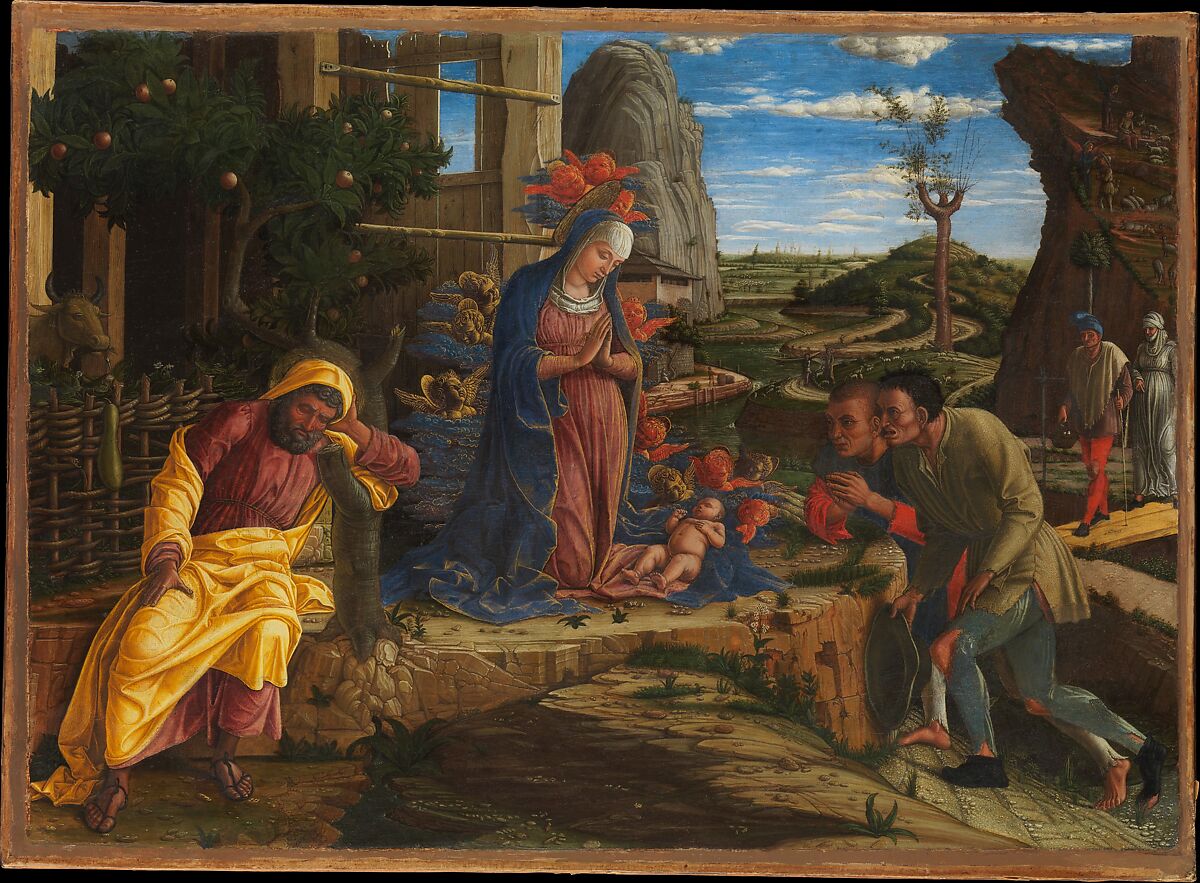
Matthew and Luke place Jesus’s birth in Bethlehem. Matthew connects it with the reign of Herod the Great and tells of the family’s flight to Egypt before their eventual settlement in Nazareth. These are Gospel accounts, and the exact circumstances and date of Jesus’s birth remain debated.
Nazareth is central to his later identity. Mark introduces the adult Jesus as coming from Nazareth in Galilee. That connection is so familiar that “Jesus of Nazareth” remains one of the clearest ways of identifying him.
“Christ” is a title rather than a family surname. It comes from the Greek word for “anointed one,” corresponding to “Messiah.” Calling him Jesus Christ therefore expresses a claim about his identity.
For most of his childhood and early adulthood, the sources leave us with unanswered questions. A responsible biography has to leave those gaps visible. Matthew 2 records the infancy narrative.
Baptism and the beginning of his ministry
Mark’s account begins Jesus’s public story with his baptism by John in the River Jordan. It then describes him preaching in Galilee, calling followers, and teaching in a synagogue at Capernaum.
The setting is distinctly Jewish. Jesus’s message draws on the language of God’s kingdom, repentance, scripture, and religious obligation. His followers were hearing him within that tradition.
Mark gives the story a practical rhythm. Fishermen leave their nets. People gather at a house seeking help. Jesus withdraws to pray and then moves on to other towns. The narrative places much of his work among ordinary communities rather than at an imperial court. Read Mark 1.

A teacher who made mercy a practical question
One of the most memorable examples of Jesus’s teaching appears in Luke’s account of the Good Samaritan. A discussion about loving one’s neighbour leads to a story about a traveller attacked on the road from Jerusalem to Jericho.
Two people pass the wounded man. A Samaritan stops, treats his injuries, takes him to an inn, and pays for his care. The story turns a question about defining a neighbour into a question about acting like one.
The details matter. Mercy requires time, money, and attention. It interrupts a journey. The person who helps is the one whose conduct answers the question.
Elsewhere in the same chapter, Luke describes Mary sitting at Jesus’s feet and listening to his teaching while Martha struggles with the work of hospitality. Such scenes explain why readers continue to find personal, everyday concerns within these ancient texts. Read Luke 10.
Healing in the Gospel accounts
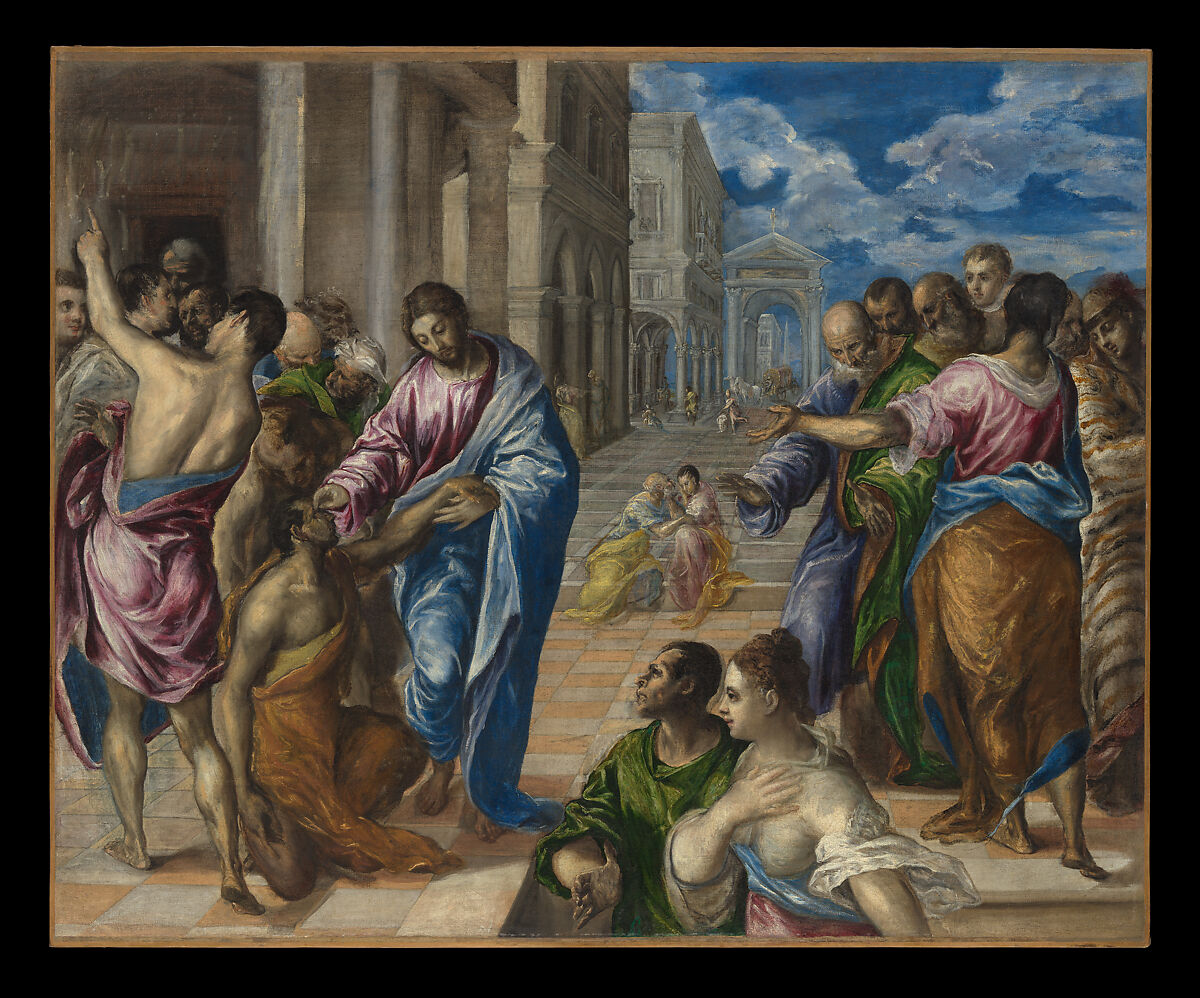
The Gospels also portray Jesus as a healer. Mark describes people bringing the sick to him and recounts his response to a man suffering from a condition traditionally translated as leprosy.
For Christians, these accounts reveal divine power and compassion. Historical study can examine how the stories were transmitted and what they meant to early communities. The supernatural explanation itself belongs to a different kind of claim from identifying a ruler or dating a document. Bible Odyssey discusses this distinction between historical inquiry and theology.
Execution under Pontius Pilate
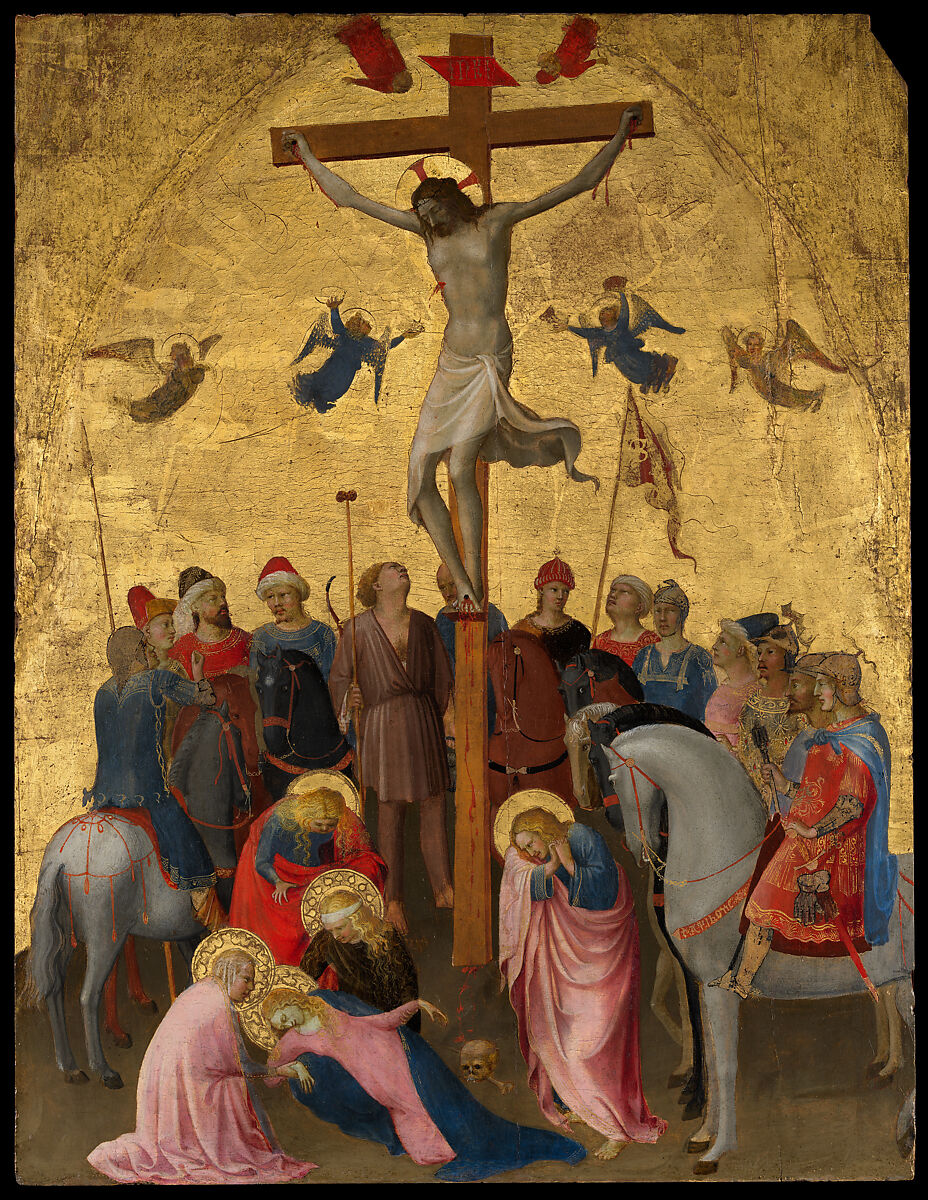
Jesus’s public life ended in Jerusalem. Mark describes his appearance before Pontius Pilate, the Roman governor, and his execution by crucifixion. The charge identifying him as king of the Jews placed kingship at the centre of the Roman presentation of his death.
The crucifixion is one of the most firmly established events in his life. Tacitus’s later account also associates his execution with Pilate.
The Gospel narratives describe involvement by particular Jerusalem religious authorities. This must not be turned into collective responsibility for Jewish people. Jesus and his earliest followers were themselves Jewish. His execution took place under Roman authority.
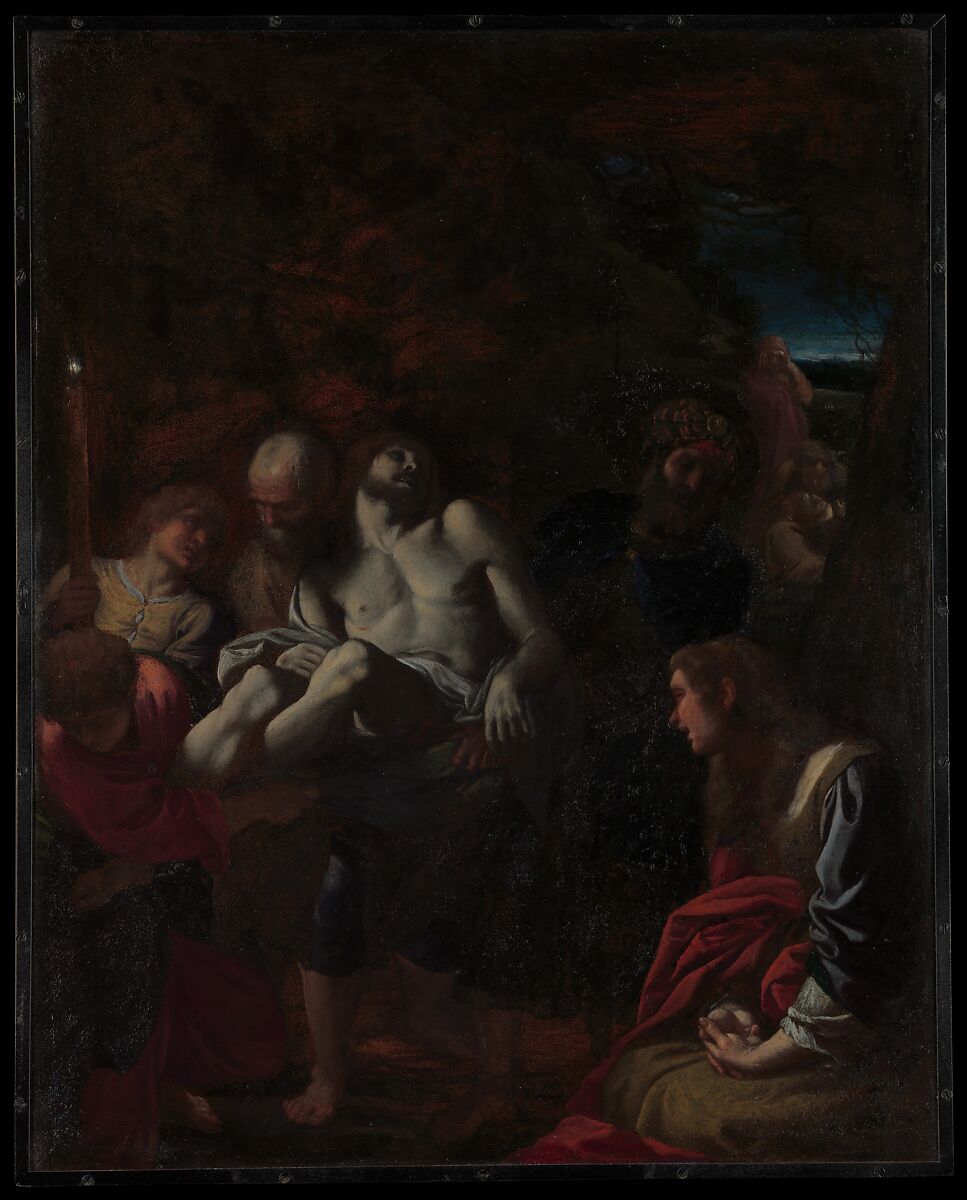
Mark’s account ends the day with Joseph of Arimathea asking Pilate for Jesus’s body and placing it in a tomb. Read Mark 15.
The resurrection and the faith of his followers
Christianity rests on the belief that Jesus’s death was followed by his resurrection. In 1 Corinthians 15, Paul recounts a tradition that Christ died, was buried, rose again, and appeared to followers.
The chapter makes the importance of that belief explicit. Paul argues that Christian preaching and faith would be empty without the resurrection. It was fundamental to how he understood Jesus.
Historians can study this testimony and the communities that preserved it. Christians receive the resurrection as an event with divine meaning and as the foundation of their hope. Describing that belief accurately is essential to understanding why Jesus’s story continued after his execution. Read 1 Corinthians 15.
Can we know what Jesus looked like?
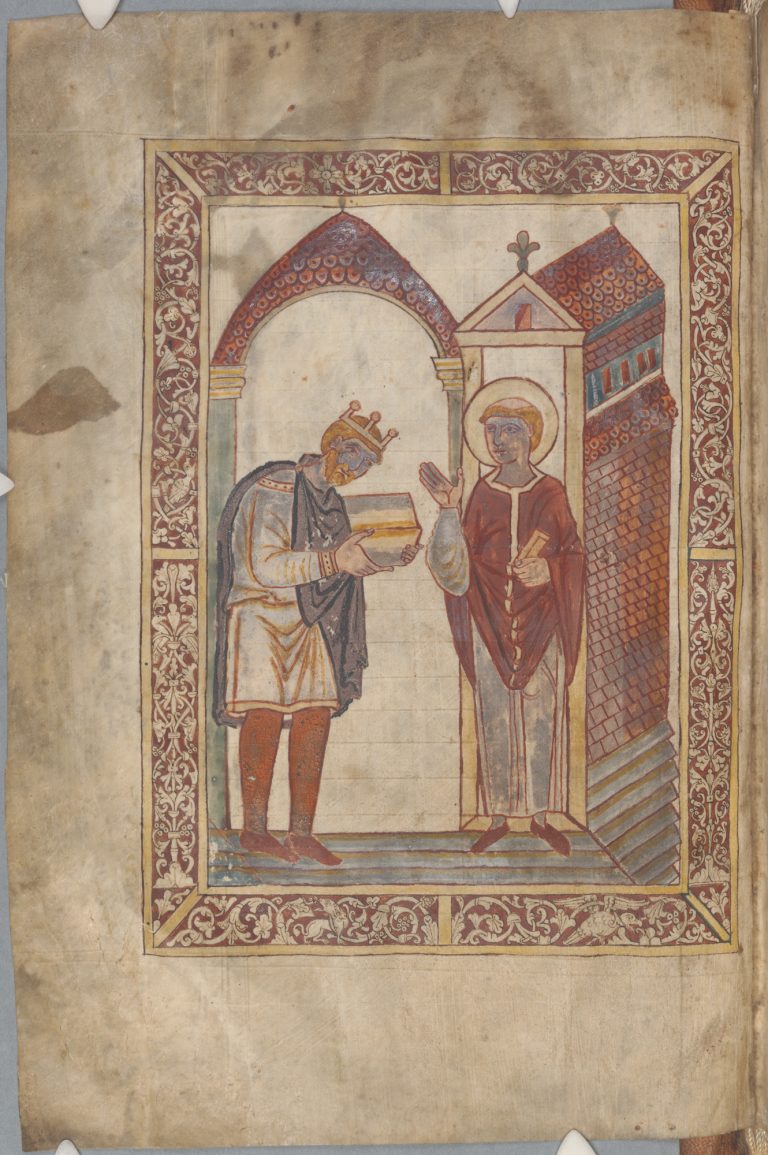
No verified portrait made during Jesus’s lifetime survives. The paintings in this article were created many centuries later. Their artists worked within their own religious and visual traditions.
That distinction matters when bringing history to life. A painting can show how a later community imagined Jesus, but it cannot establish his facial features. An AI reconstruction also remains an interpretation, however convincing the image appears.
Reading his life in context
Following Jesus’s story takes us from Galilee to Roman-governed Jerusalem, through accounts of teaching and healing, and into the testimony of followers who believed he had risen.
Some questions have clear answers in the surviving record. Others remain disputed or belong to faith. Keeping those differences visible allows the life of Jesus to be approached with both historical care and respect for its religious meaning.
If you want your photos bringing back to life, send me a message on any of my social media accounts.
Follow me across social media for historical photo restorations, AI colorizations, and videos bringing the past to life!