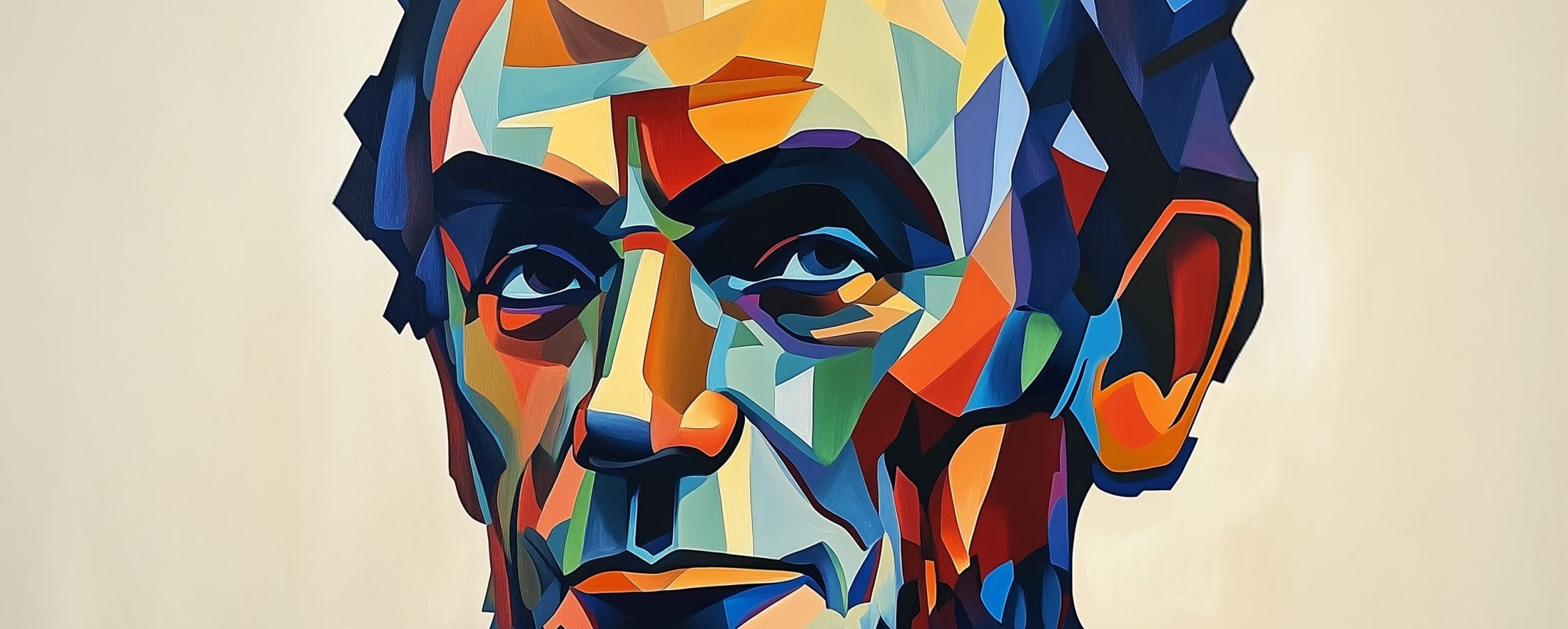
Harriet Tubman: The Woman Who Kept Going Back
When Harriet Tubman escaped slavery in 1849, reaching freedom did not end her journey. People she loved were still in Maryland. Over the next decade, she repeatedly returned to the place where she could be captured and enslaved again, helping relatives and friends make their own escapes.
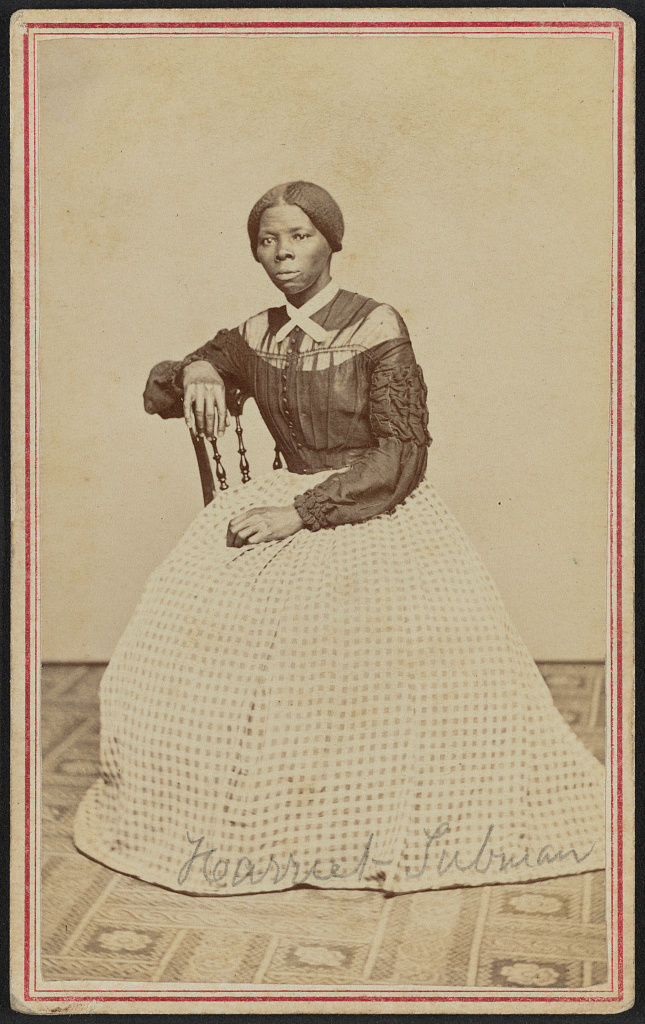
Those journeys made her famous. They were also one part of a much longer life. Tubman served the Union during the Civil War, helped an armed expedition free hundreds of people, supported women's voting rights, and spent her later years caring for others in Auburn, New York.
Before She Was Harriet Tubman
Tubman was born Araminta Ross in Dorchester County on Maryland's Eastern Shore in 1822. Her family called her Minty. Her parents, Harriet “Rit” and Ben Ross, were enslaved, and the family endured repeated separations.
As a child, she was hired out to other households and forced to work. Some of her sisters were sold away. The threat of losing family members was a reality she knew long before she began helping others escape.
The landscape also shaped her life. Work in the woods, waterways, and marshes gave her practical knowledge of the Eastern Shore. Later, knowing how to move through that environment would help her avoid detection.
The Injury That Stayed With Her
While still young, Tubman suffered a severe head injury when an overseer threw an iron weight at another enslaved person. The weight struck her instead.
She survived, but the effects continued throughout her life. Accounts describe episodes of sudden sleep or loss of consciousness. She also experienced powerful religious visions and understood her faith as a source of guidance and strength.
The injury belongs in her story because courage did not mean freedom from illness or physical difficulty. She undertook dangerous journeys while living with a lasting disability.
Marriage and Escape
Around 1844, she married John Tubman, a free Black man, and became known as Harriet Tubman. His freedom did not change her legal status. She remained enslaved.
After her enslaver Edward Brodess died in 1849, she feared being sold away from her family. That year she escaped north, eventually reaching Philadelphia.
The Underground Railroad helped make such escapes possible. It was a loose network of people, safe places, local knowledge, and assistance rather than a literal railroad. Freedom seekers themselves made difficult decisions and took extraordinary risks; helpers could offer shelter, directions, transportation, money, or introductions.
Tubman would soon become one of its most effective participants.
How Many People Did Harriet Tubman Rescue?
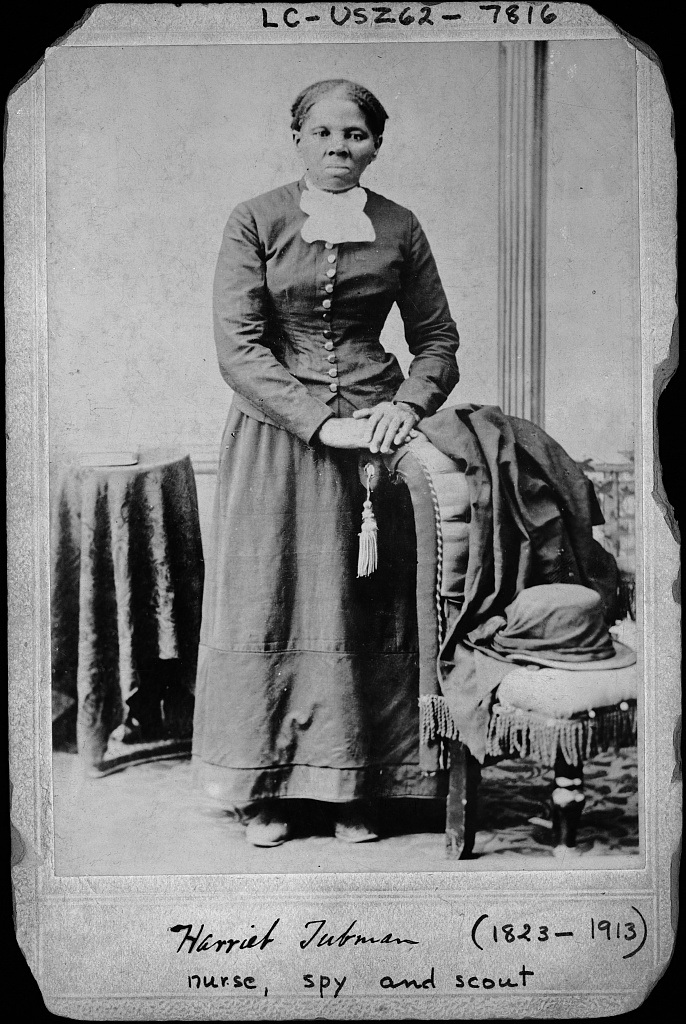
The best-supported estimate is about 70 people on approximately 13 journeys back to Maryland. She also gave guidance to roughly 70 others who made their own escapes.
The familiar claim that she rescued 300 people on 19 trips comes from exaggerated early accounts. The National Park Service's myths-and-facts guide explains that her own statements and evidence about individual missions support the smaller figures.
Accuracy does not make the achievement less remarkable. Each journey required trust, planning, secrecy, and the willingness to enter danger again. Her final Maryland rescue mission took place in December 1860.
The people she helped were not anonymous passengers in a legend. Many were members of families and communities whose identities historians can trace.
A Network, Not a One-Woman Operation
Tubman's abilities mattered enormously, but she did not work in isolation. Black and white antislavery supporters supplied money, shelter, introductions, and other practical help.
Boston became one important center of support. There she developed relationships with abolitionists and participated in networks that connected the campaign against slavery with movements for women's rights. Those contacts helped sustain work that required resources as well as personal bravery.
Her reputation grew through people who knew what she had done, heard her speak, or helped raise funds. The biblical name “Moses” expressed the way supporters understood her role in leading others out of bondage.
A Different Kind of Service During the Civil War
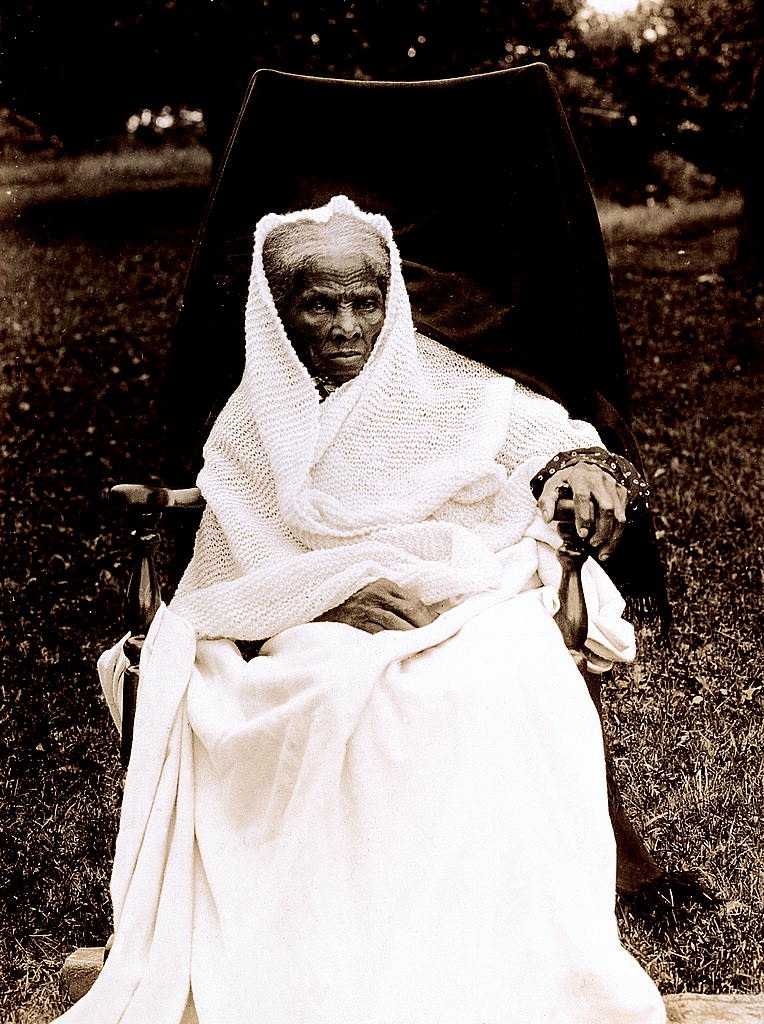
When the Civil War began, Tubman brought her experience to the Union cause. She worked as a nurse, cook, scout, and intelligence gatherer.
In South Carolina, knowledge obtained from local people and formerly enslaved communities became vital. They understood the terrain, waterways, plantations, and Confederate activity in ways outsiders often did not.
Tubman's wartime service expanded the same practical strengths she had used before the war: observing carefully, building trust, finding reliable information, and guiding people through unfamiliar or dangerous places.
The Combahee River Raid
In June 1863, Tubman helped plan and guide a Union expedition along South Carolina's Combahee River. Colonel James Montgomery and Black Union troops took part in the operation.
The raid struck plantations and Confederate resources and brought more than 700 enslaved people to freedom. Tubman's intelligence and guidance helped the force navigate the area and carry out the mission.
It is important to distinguish this event from her earlier Underground Railroad journeys. The hundreds freed at Combahee were part of a military operation during the war, not evidence for the inflated claim about her prewar rescue trips.
The raid also depended on the choices of the people who came to the boats. They seized an opening in the slave system and took the risk of leaving.
Building a Home in Auburn
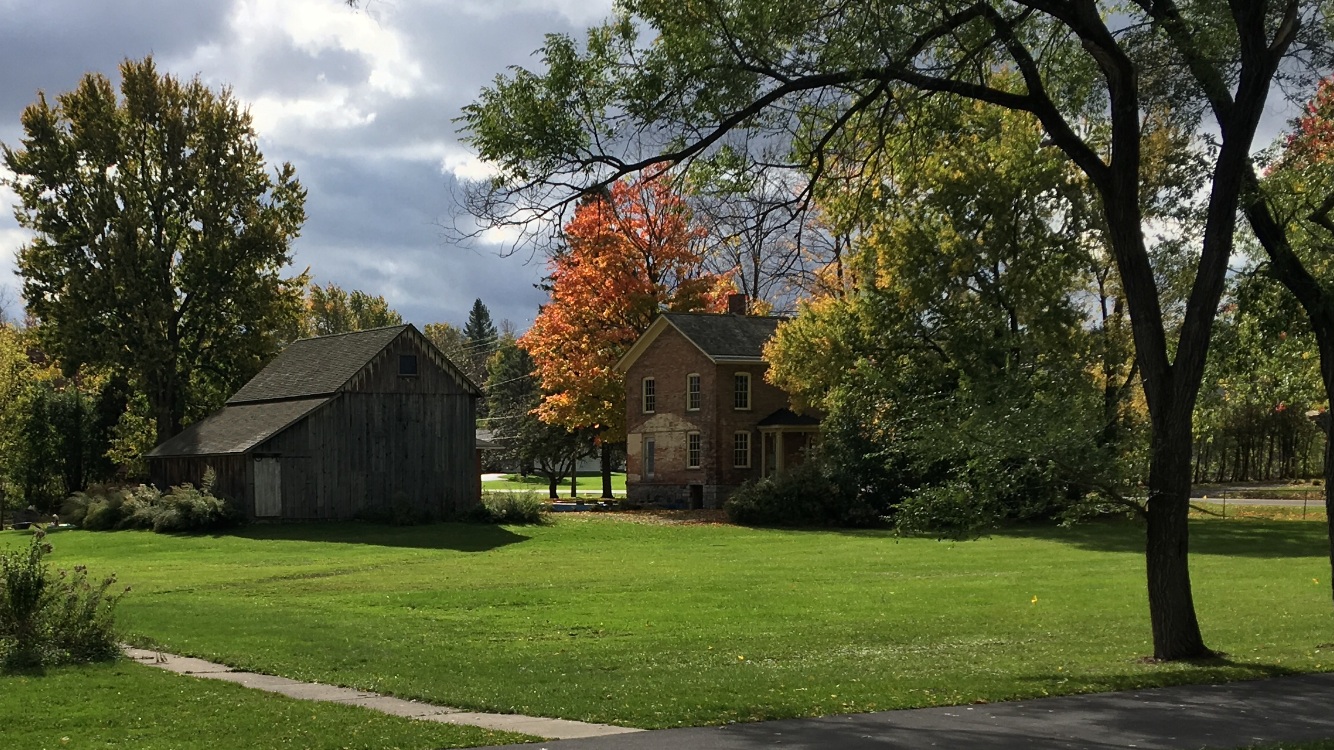
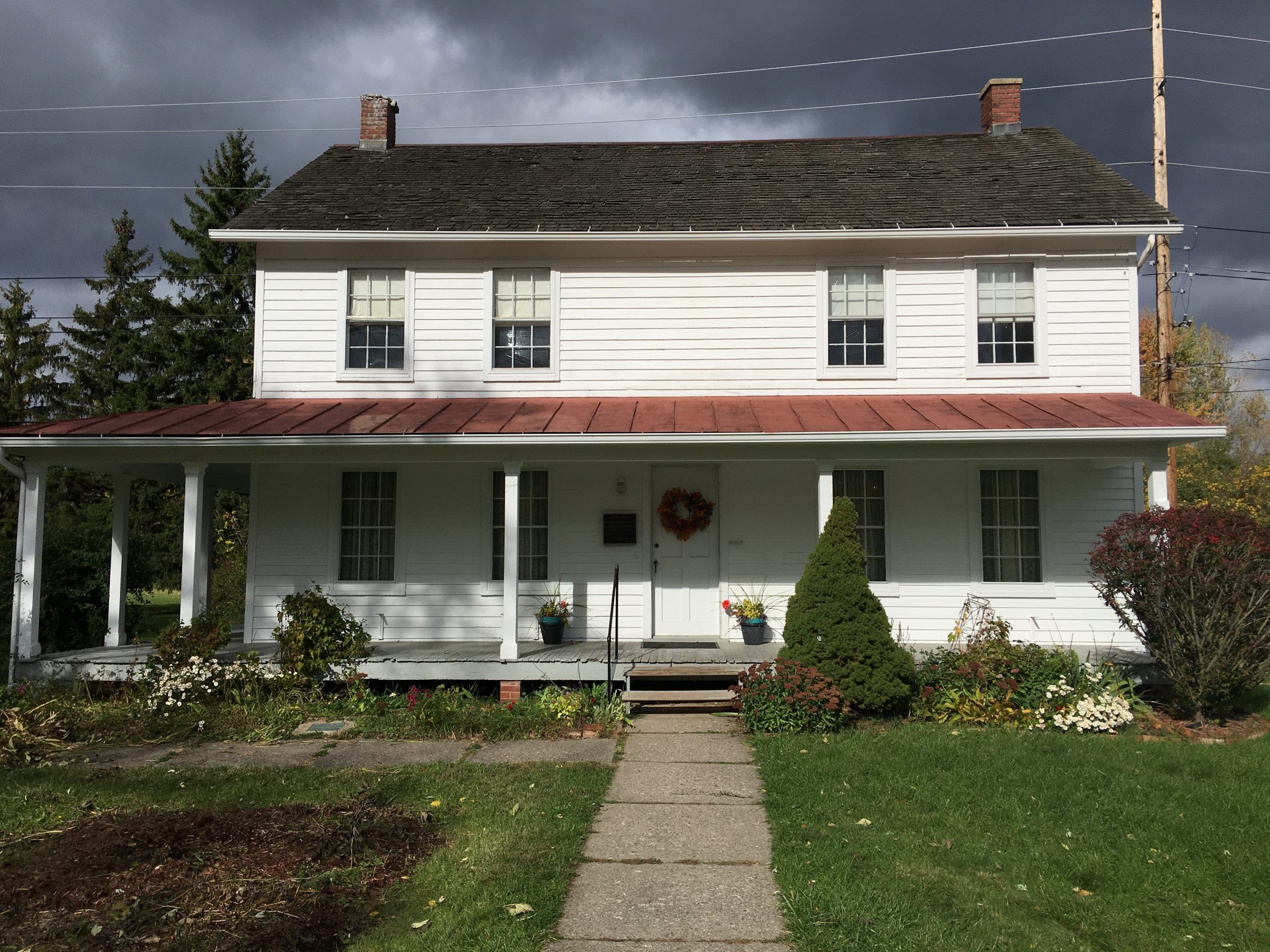
Tubman purchased property in Auburn, New York, in 1859 from William H. Seward, who later became President Abraham Lincoln's secretary of state. Auburn already had a free Black community and an established antislavery network.
The house provided something slavery had repeatedly threatened to take away: a place for family and community life. After the war, Auburn became the center of her remaining decades.
In 1869, she married Nelson Davis, a Union veteran. They adopted a daughter named Gertie. These relationships are sometimes overshadowed by the rescue stories, but Tubman's life included the ordinary hopes of marriage, parenthood, and a secure home.
Voting Rights and Care for Older People
Tubman continued advocating for equality after slavery ended. She supported women's suffrage and worked with campaigners who believed that women should have a voice in government.
She also cared for people in need and helped establish the Harriet Tubman Home for the Aged, which opened in 1908. The home extended her lifelong concern for people who lacked safety, resources, or support.
Her later years challenge the idea that her important work ended with the Civil War. Political freedom and day-to-day care remained connected in the life she built.
When Did Harriet Tubman Die?
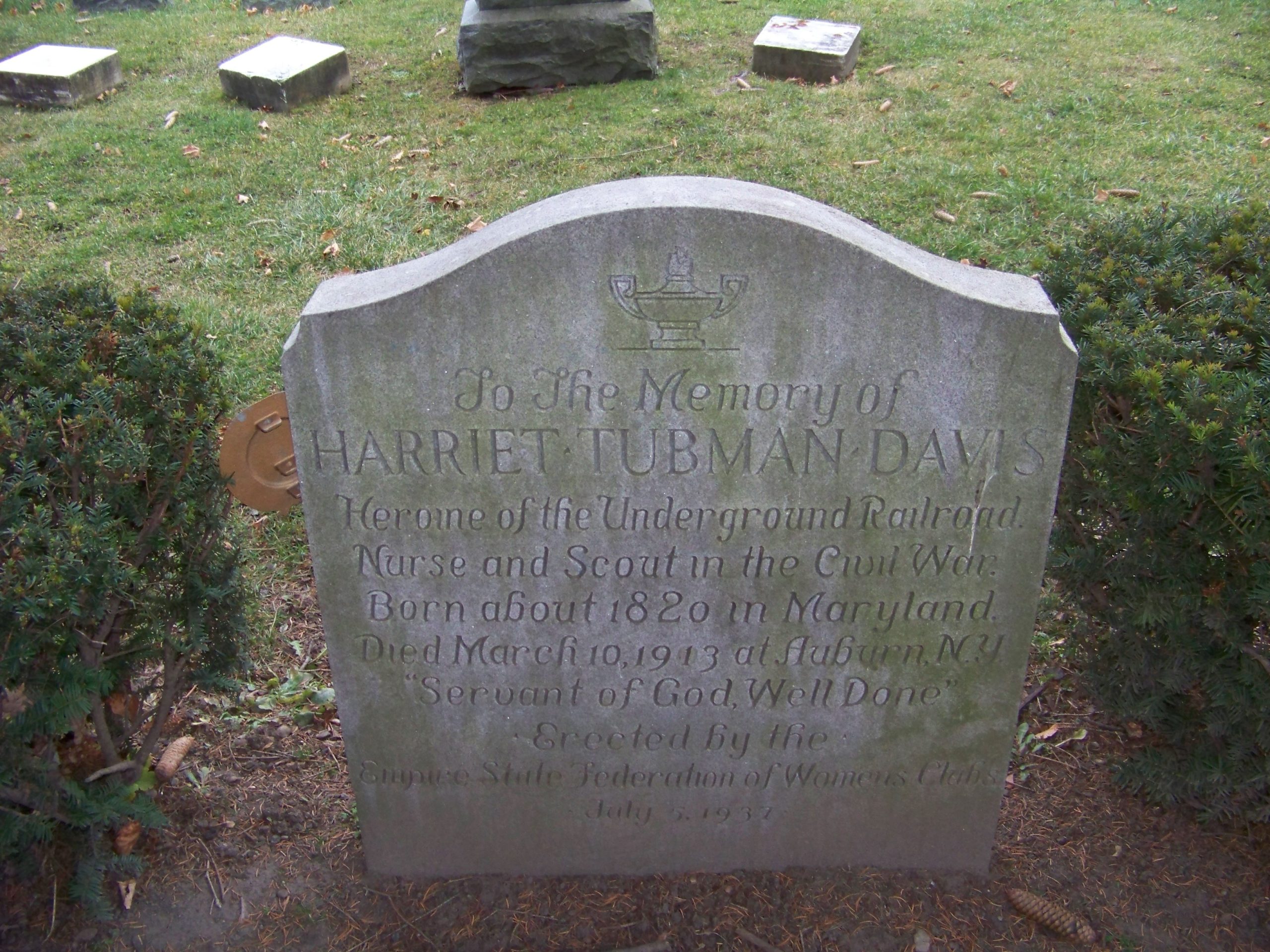
Harriet Tubman died in Auburn on March 10, 1913. She was buried at Fort Hill Cemetery with military honors.
She did not live to see the Nineteenth Amendment establish constitutional protection for women's voting rights in 1920. Her work nevertheless belonged to the long struggle that made that change possible, alongside her better-known fight against slavery.
The documented record is powerful without inflated rescue numbers or invented quotations. A woman who had escaped bondage kept returning for others, served during a brutal war, and continued helping her community into old age. That is the history worth remembering.
Get Your Images Done Too
If you want your photos bringing back to life, send me a message on any of my social media accounts.
Follow me across social media for historical photo restorations, AI colorizations, and videos bringing the past to life!