Alexander the Great: The Conqueror Who Outran His Empire
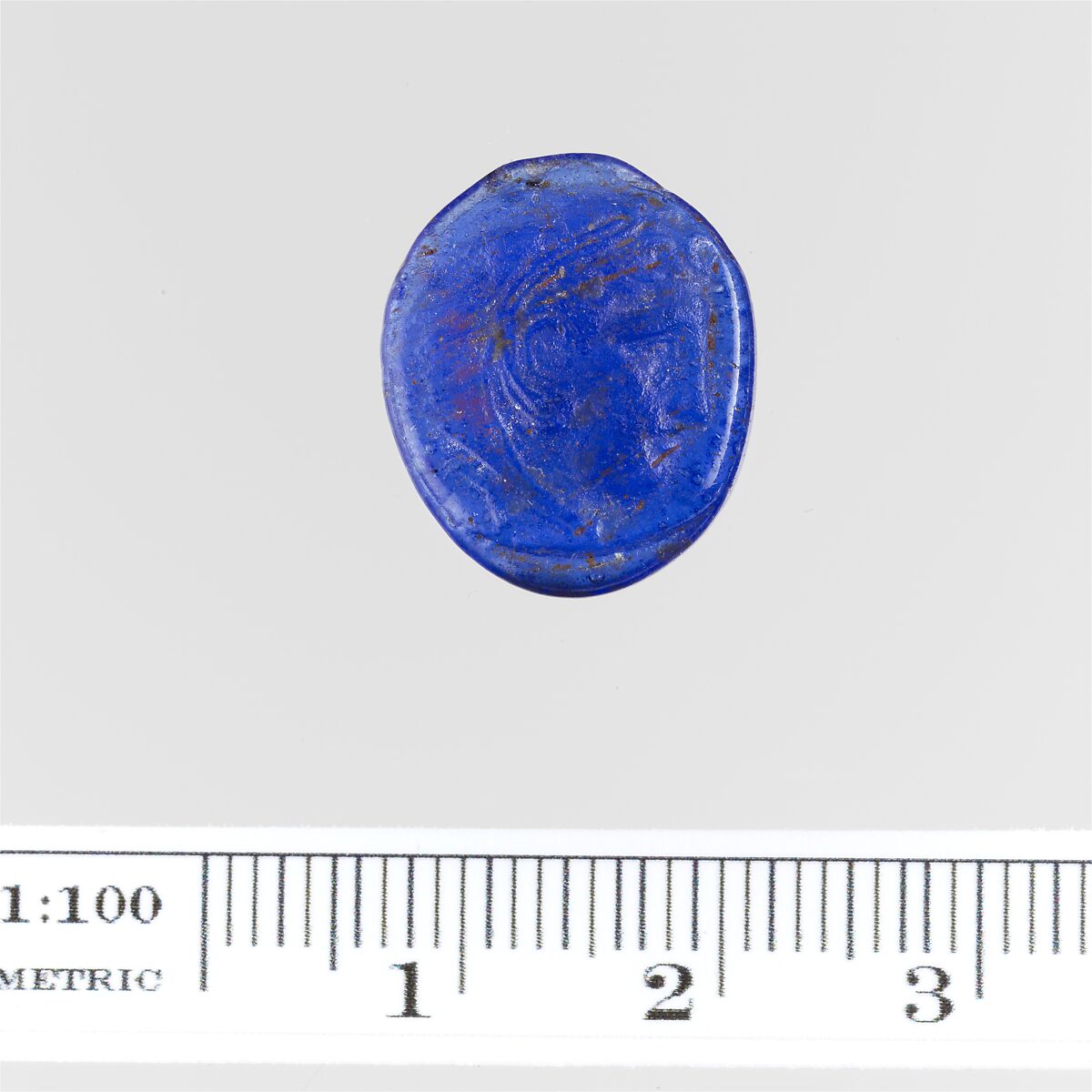
In 334 BCE, Alexander III of Macedon crossed into Asia with an army inherited from his father and ambitions that soon exceeded anything his kingdom had attempted. Eleven years later, he was dead in Babylon. Between those moments, he defeated the Persian monarchy, entered Egypt, campaigned through Central Asia, and reached the Indian subcontinent.
His speed still astonishes. Yet the familiar image of an undefeated genius leaves important questions unanswered. What did he inherit? How did he govern the people he conquered? And why did his enormous empire fracture almost immediately after his death?
Alexander’s story is not simply the story of winning battles. It is also about the limits of personal power.
A Prince Shaped by Philip and Olympias
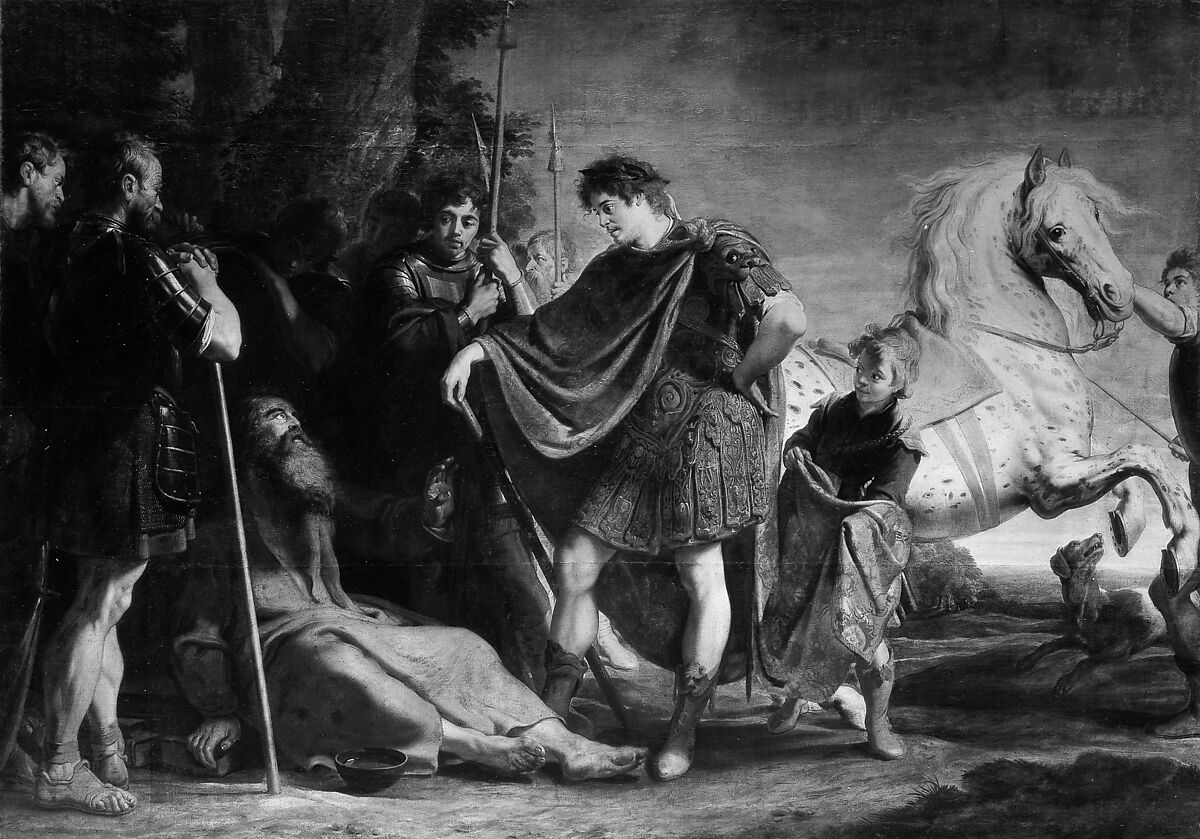
Alexander was born in 356 BCE at Pella, the Macedonian royal capital. His father, Philip II, transformed Macedonia into a dominant military power. His mother, Olympias, came from the royal house of Epirus and remained an influential figure in dynastic politics.
Philip gave Alexander an elite education. Aristotle taught him, and Greek literature helped shape the heroic language surrounding his ambitions. Ancient accounts connect Alexander especially with Achilles, the warrior of Homer’s Iliad. These associations mattered because kingship relied partly on convincing others that a ruler belonged to an exceptional lineage.
The famous story of Alexander taming Bucephalus by recognizing the horse’s fear of its shadow comes from Plutarch, who wrote centuries afterward. It offers a memorable portrait of insight and confidence, but it should not be read as a securely recorded childhood scene.
More firmly grounded is Alexander’s early military experience. He participated in Philip’s victory at Chaeronea in 338 BCE, when Macedonian power decisively overcame the alliance led by Athens and Thebes.
Becoming King at Twenty
Philip was assassinated in 336 BCE. Alexander succeeded him at about twenty, but succession did not mean safety. He had to secure support among powerful Macedonians and confront challenges beyond the kingdom’s borders.
He inherited much of the machinery of conquest: a professional army, experienced officers, effective cavalry, and infantry armed with long pikes. He also inherited Philip’s planned war against Persia. Alexander’s achievements were extraordinary, but they did not emerge from nothing.
In 335 BCE, Thebes rebelled. Alexander’s forces destroyed the city, and many inhabitants were killed or enslaved. This was a demonstration of power intended to discourage further resistance. It also establishes an uncomfortable truth early in his reign: the conqueror celebrated for spreading culture used terror against communities that resisted him.
Breaking the Persian King’s Power
Alexander crossed the Hellespont in 334 BCE and defeated Persian forces at the Granicus River. His army then advanced through western Asia Minor, drawing on local rivalries while dismantling Persian control.
In 333 BCE, he confronted Darius III at Issus. Alexander won, and Darius fled. Members of the Persian royal family fell into Macedonian hands. Ancient writers emphasized Alexander’s respectful treatment of them, using the episode to illustrate royal generosity.
He did not immediately pursue Darius into the heart of the empire. Instead, he worked down the eastern Mediterranean coast, denying the Persian fleet secure bases. The siege of Tyre in 332 BCE became one of his hardest campaigns. Its capture brought killing and enslavement, again revealing the devastating consequences of resisting his army.
Egypt, Alexandria, and Divine Kingship
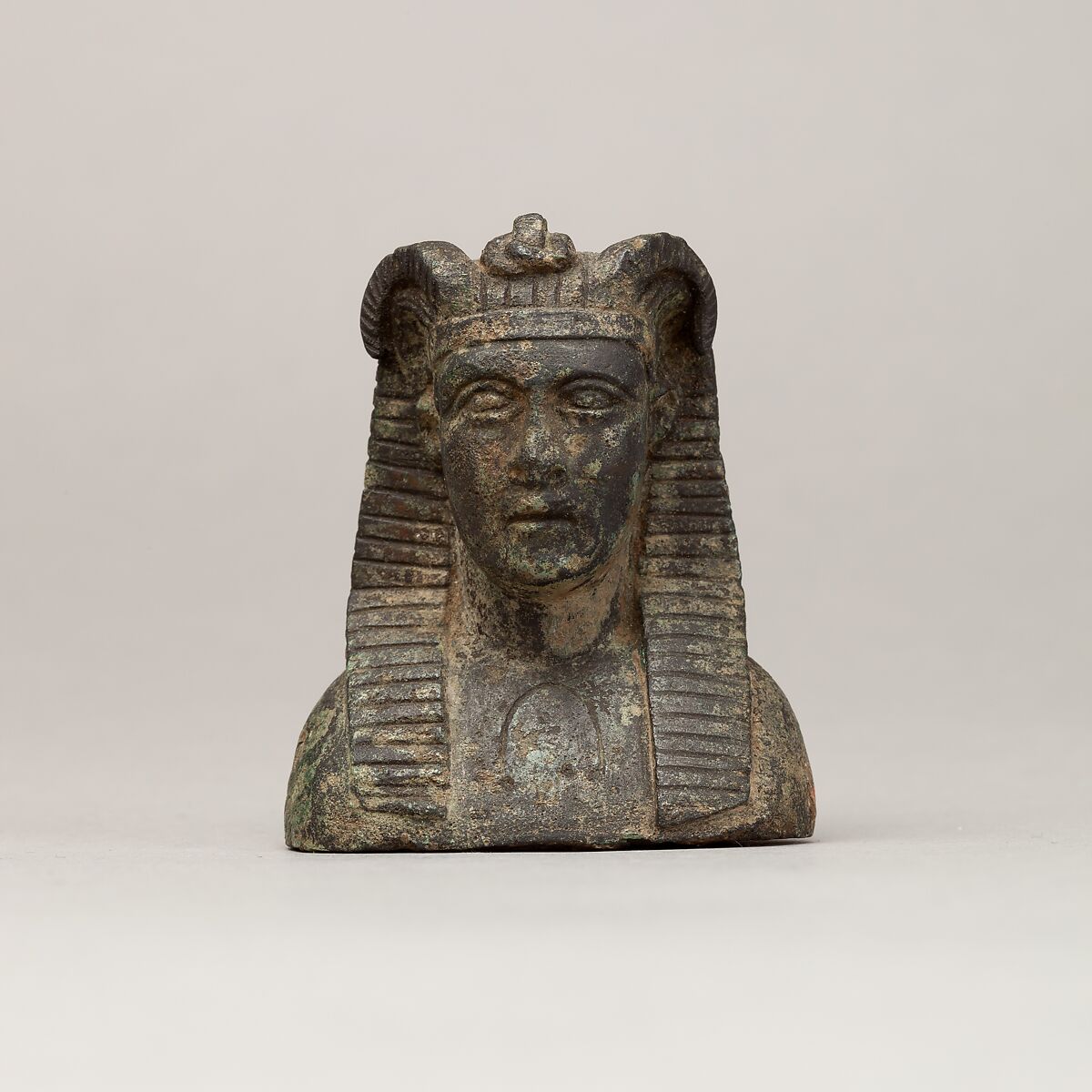
Alexander entered Egypt in 332 BCE. Persian rule there ended, and he adopted a position within Egyptian traditions of kingship. He founded Alexandria on the Mediterranean coast, a city whose later importance would far outlast his own government.
He also visited the oracle of Amun at Siwa. Ancient accounts differ in their details, but the visit helped associate him with divine authority. Greeks identified Amun with Zeus, allowing the connection to work across religious traditions.
That did not mean everyone understood Alexander’s status in the same way. Egyptian kingship, Greek ideas about heroic ancestry, and Macedonian expectations of a warrior king could overlap without becoming identical. His ability to address different audiences became increasingly important as conquest expanded.
In 331 BCE, Alexander defeated Darius again at Gaugamela. Babylon and other major imperial centers fell into his hands. At Persepolis, the burning of the royal palace became a powerful symbol of Persian defeat. Ancient explanations differ, and the balance between deliberate policy and a destructive episode of celebration remains debated.
Conquest Becomes a Problem of Government
Darius was killed by members of his own side in 330 BCE. Alexander now claimed succession to the Persian monarchy rather than merely victory over it.
He retained or appointed regional governors and incorporated some Persian elites into his administration. He adopted elements of Persian court dress and ceremony. These measures could help govern an empire, but they unsettled Macedonians accustomed to a less distant relationship with their king.
Campaigns in Bactria and Sogdiana, in parts of modern Afghanistan and Central Asia, proved difficult. Resistance did not disappear when a royal capital fell. Alexander married Roxane, a woman from the region’s aristocracy, in 327 BCE, linking dynastic politics with the work of consolidation.
His rule also grew more threatening to those around him. He ordered executions amid suspected conspiracies and killed Cleitus, an officer who had once helped save his life, during a drunken quarrel. Ancient accounts describe remorse, but remorse did not reverse the consequences of royal violence.
India and the Army’s Refusal
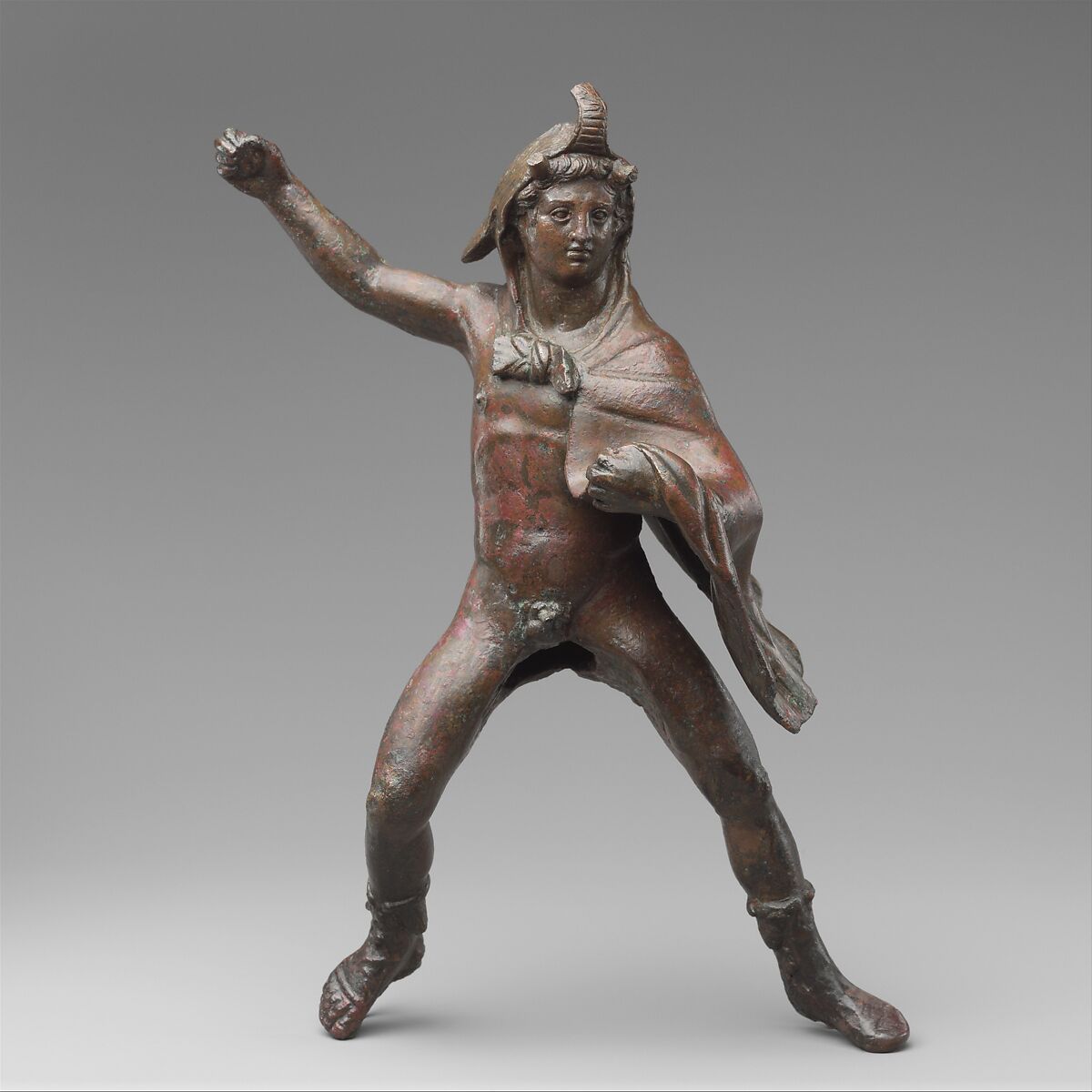
In 326 BCE, Alexander defeated King Porus at the Hydaspes River, in present-day Pakistan. The battle required his army to confront formidable opposition, including war elephants. He subsequently retained Porus as a subordinate ruler, an example of using a defeated opponent to help administer conquered territory.
Alexander wanted to continue eastward. His soldiers did not. At the Hyphasis River, exhausted troops resisted further advance. The king finally turned back.
This was a crucial limit on his authority. His army could carry him astonishing distances, but it could not march indefinitely. The return journey brought further fighting and severe losses, particularly during the crossing of Gedrosia’s harsh terrain.
Family, Succession, and a Death Without Certainty
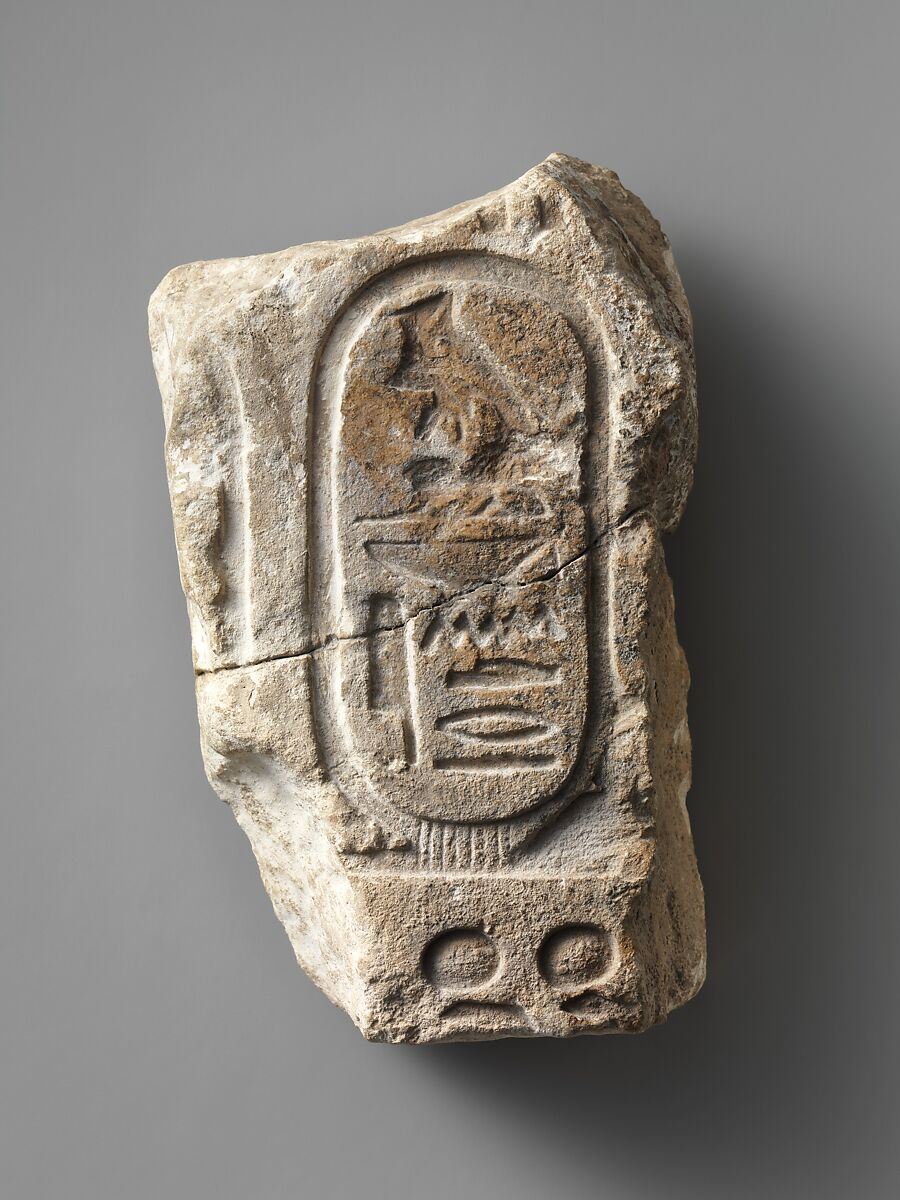
Back in the imperial heartlands, Alexander pursued arrangements that connected Macedonian and Persian elites. At Susa in 324 BCE, he married Stateira, a daughter of Darius III, and, according to ancient testimony, Parysatis, a daughter of an earlier Persian king. He also arranged marriages for officers.
His close companion Hephaestion died that year, provoking intense grief. In 323 BCE, Alexander himself became ill in Babylon and died at thirty-two.
The exact cause remains unknown. Ancient accounts describe fever and preserve later poisoning allegations, but the evidence cannot support a confident modern diagnosis. Dramatic claims about murder or a specific disease exceed what the surviving material can establish.
Roxane was pregnant when he died. Their son, Alexander IV, was born afterward and became a nominal king alongside Alexander’s half-brother Philip III. Neither could hold together the political and military system. Rival commanders fought for control, and the royal family became entangled in their struggles.
Why His Legacy Outlasted His Empire
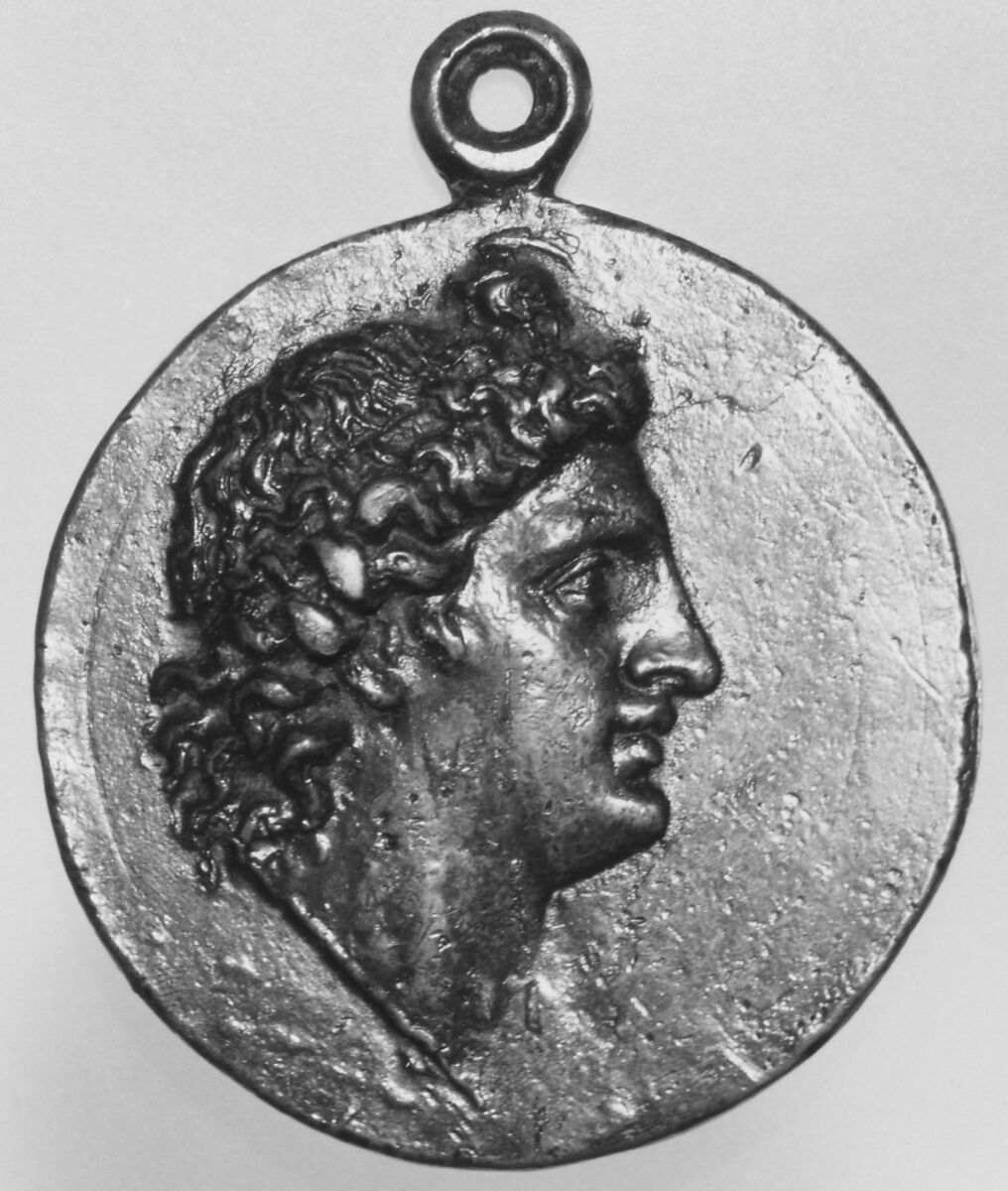
Alexander’s successors divided his conquests into competing kingdoms. His unified empire did not survive, but the networks intensified by conquest did. Greek language, artistic forms, cities, and institutions spread and interacted with established local traditions across a vast area.
That process was not a simple replacement of other cultures by Greek civilization. It involved exchange, adaptation, resistance, and unequal power. The resulting Hellenistic world belonged to many peoples, not just its Macedonian conquerors.
Alexander remains “the Great” because of the scale of his military achievement and historical influence. The title is not a moral verdict. His legacy includes cultural connections and enduring cities, but also destroyed communities, coerced subjects, and a succession crisis that turned victory into generations of war.
Get Your Images Done Too
If you want your photos bringing back to life, send me a message on any of my social media accounts.
Follow me across social media for historical photo restorations, AI colorizations, and videos bringing the past to life!