Daniel Dunglas Home: The Medium Who Divided Victorian Society
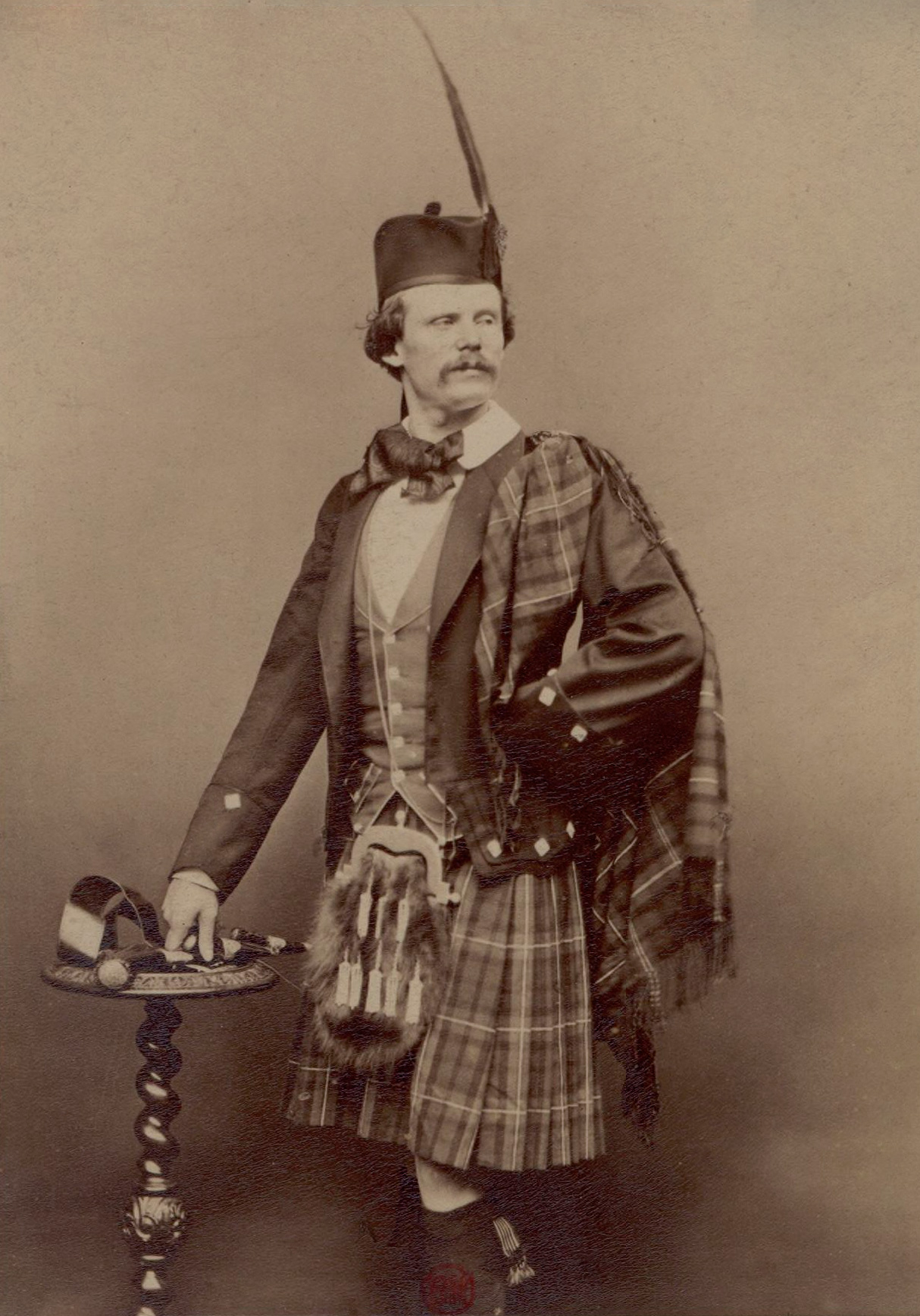
Featured photograph: Daniel Dunglas Home photographed by Nadar before June 1886. This version was published in 1900. Public domain. Source and rights.
Daniel Dunglas Home could make a Victorian drawing room feel like the most important place in the world. Guests reported moving tables, unexplained music and a man rising above the floor. Aristocrats welcomed him. A respected scientist defended him. Other observers regarded the whole performance with suspicion. Home became famous because people could not agree on what they had seen.
The historical distinction matters: Home was a real person with a documented career as a medium. His claimed supernatural powers are not established facts. A witness describing an extraordinary experience is evidence that the witness made a report, not automatic proof that the explanation was correct.
Who was Daniel Dunglas Home?
Born near Edinburgh in 1833, Home spent part of his youth in the United States before becoming known for séances. He arrived in England in 1855 and attracted influential visitors. The 1911 Encyclopaedia Britannica entry records his European appearances, his books and the controversy surrounding his career. It is also a period source whose supernatural language needs to be read critically.
Home occupied an unusual social position. Rather than building his reputation around ordinary ticket sales, he depended heavily on invitations and personal hospitality. Wellcome Collection, which holds seven of his letters, describes him as almost a professional guest. Its archival description of Home provides a useful counterweight to the more spectacular stories: behind the legend stood a man writing letters and cultivating relationships.
What happened at his séances?
Supporters described a range of effects rather than one repeated trick. Tables moved, raps sounded and musical instruments appeared to play without a visible musician. The Society for Psychical Research’s account of Home’s reported phenomena also discusses claims involving luminous hands and hot coals. That account is sympathetic to the evidence for unusual phenomena, so its interpretation should not be mistaken for a neutral scientific verdict.
A private séance could carry a powerful social atmosphere. The people present knew whom they trusted, and their host’s reputation mattered. Looking back, we need to separate the reported effect from the conditions under which it was observed. Where was the light? Who could see the whole room? Did an observer see something directly or repeat what a neighbor said?
William Crookes and the accordion experiment
The most revealing primary source is William Crookes’s Researches in the Phenomena of Spiritualism, published in 1874. Crookes wanted to test effects associated with Home using apparatus. His account describes an accordion placed inside a cage beneath a dining table. Home held it at the end opposite the keys. Crookes reported sounds, moving bellows and, at points, playing without anyone visibly holding the instrument.
Crookes described his precautions at considerable length. He said he had bought the accordion himself. Observers sat beside Home, and their feet rested on his to detect movement. An assistant looked beneath the table. The record is valuable because it lets us examine the procedure rather than merely repeat that a famous scientist believed a medium.
It also contains qualifications that are easy to lose in a dramatic retelling. In a letter printed with the account, astronomer William Huggins explained that his position did not allow him to see Home withdraw his hand from the accordion. He had relied on others for that part of the description. Huggins supported further investigation but withheld an opinion about the cause.
That small detail changes how we should read the scene. Several people being present does not mean every person independently witnessed every stage. Crookes also acknowledged that results varied and that some meetings produced nothing significant. He interpreted this as variability in the proposed force. A modern reader should recognize that interpretation as his hypothesis, not a demonstrated explanation.
A scientist’s conviction was not the end of the argument
Crookes’s book includes exchanges with critics as well as descriptions of experiments. He defended his methods vigorously and disputed suggestions of ordinary trickery. The dispute shows how the investigation became an argument about expertise: who was qualified to observe, what counted as a proper test and whether an explanation had actually been ruled out.
We should not quietly replace one certainty with another. A historical report may leave us unable to reconstruct exactly what happened. That does not turn an unexplained account into proof of spirits. It also does not justify inventing a particular trick and announcing that it has been established for every séance. The defensible conclusion is narrower: Crookes believed his observations supported a new phenomenon, and his claims remained contested.
The wealthy widow and the court case
Home’s relationships could have consequences far beyond a drawing room. In 1866, the wealthy widow Jane Lyon adopted him as her son and transferred substantial money to him. She later sought its return. The Britannica account records a £60,000 settlement and explains that Home failed to establish the validity of the gift when the dispute reached court.
The episode complicates the comforting statement that he did not charge for séances. Direct admission fees are only one way a public reputation can provide material support. Gifts, accommodation and wealthy patrons also matter. The legal dispute belongs in his biography alongside the celebrated invitations, without pretending it settles every separate claim made about his performances.
Looking at the man behind the claims
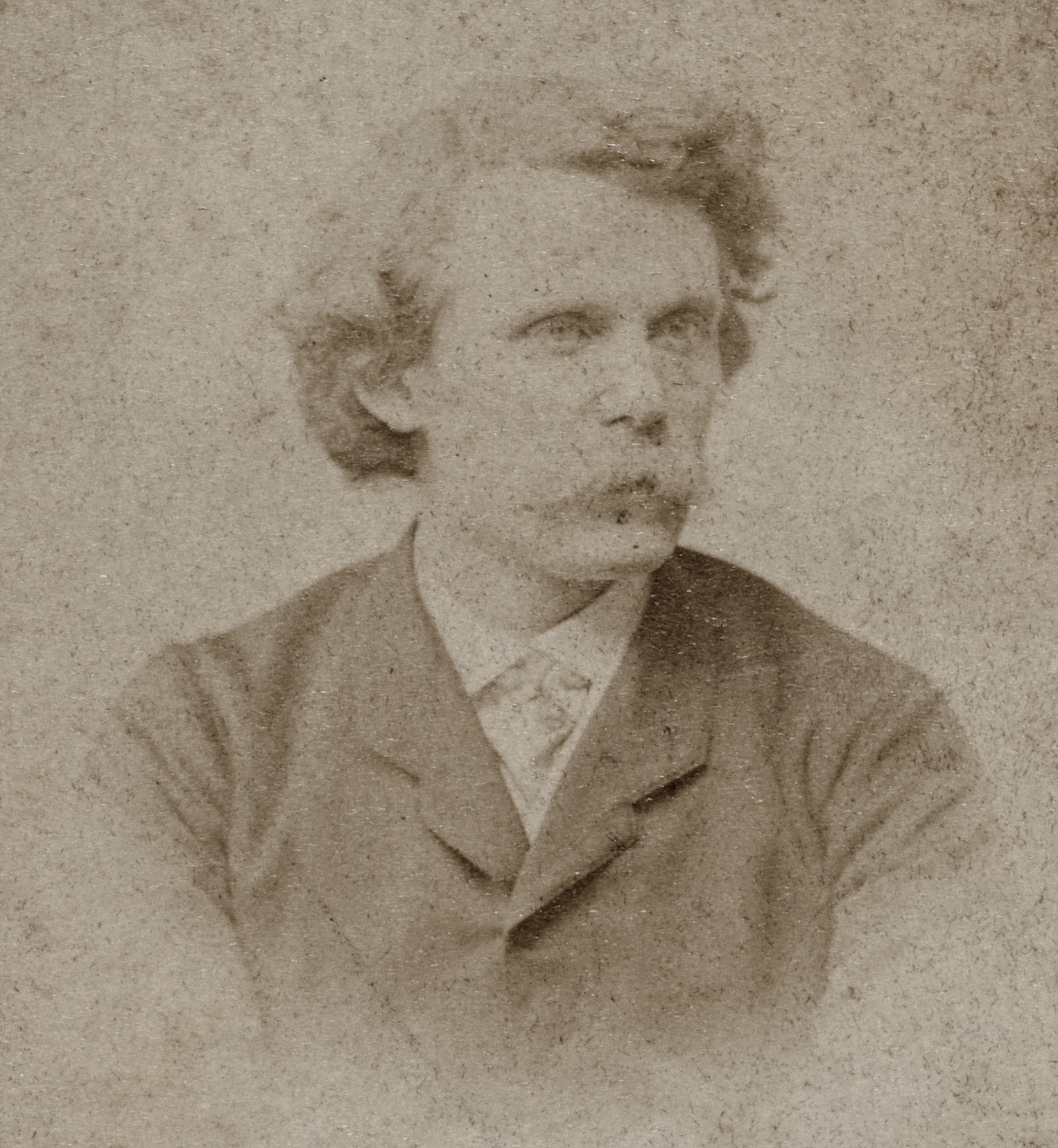
Home died in France on June 21, 1886. His photographs preserve something less sensational than the stories: a carefully presented Victorian man, dressed for the social world that received him. The Nadar portrait is especially useful because the sitter is identified and the image’s publication history can be checked.
These are portraits, not photographs of supernatural events. They help us picture the person whose name appeared in letters, books and arguments. Home’s lasting historical interest lies in that overlap between personal charisma, social trust and attempts at scientific investigation. His career reminds us to ask not only what people believed, but how they decided a report deserved belief.
Discover more remarkable lives in our history articles.
Get Your Images Done Too
If you want your photos bringing back to life, send me a message on any of my social media accounts.
Follow me across social media for historical photo restorations, AI colorizations, and videos bringing the past to life!