Cleopatra VII: The Queen Who Fought to Keep Egypt Independent
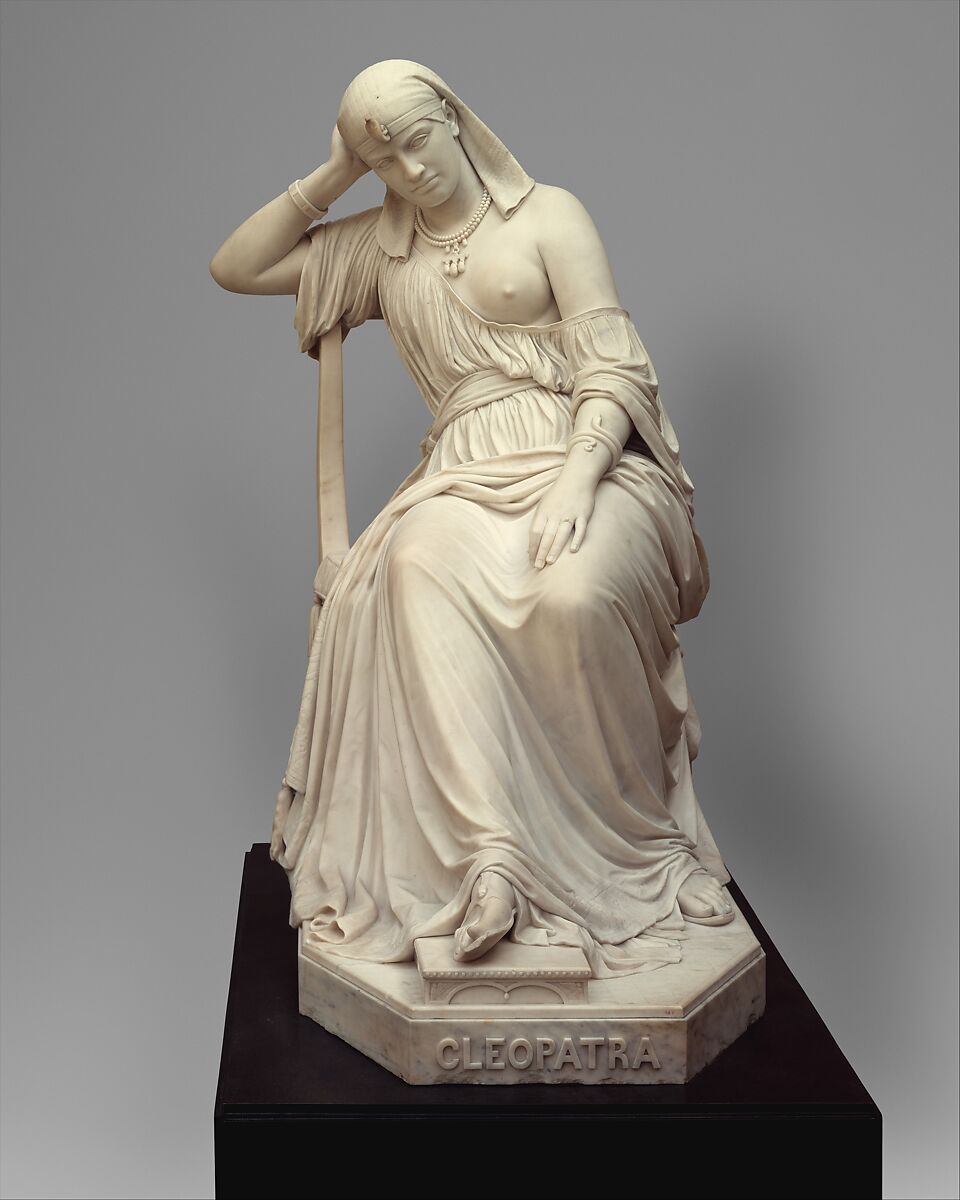
Cleopatra VII inherited more than a crown. She inherited a wealthy kingdom under mounting Roman pressure, a royal family accustomed to lethal rivalry, and a political system in which survival depended on choosing the right allies. Her relationships with Julius Caesar and Mark Antony became legendary. Yet treating her life only as a love story misses the problem that shaped her reign: how could Egypt remain a kingdom when Rome increasingly dominated the Mediterranean?
Cleopatra ruled from 51 to 30 BCE. She was the last effective ruler of the Ptolemaic dynasty, not the last person ever represented as an Egyptian pharaoh. Roman emperors later adopted pharaonic imagery too. Her defeat nevertheless ended three centuries of Ptolemaic kingship and brought Egypt under Roman control.
A Greek Dynasty in an Egyptian Kingdom
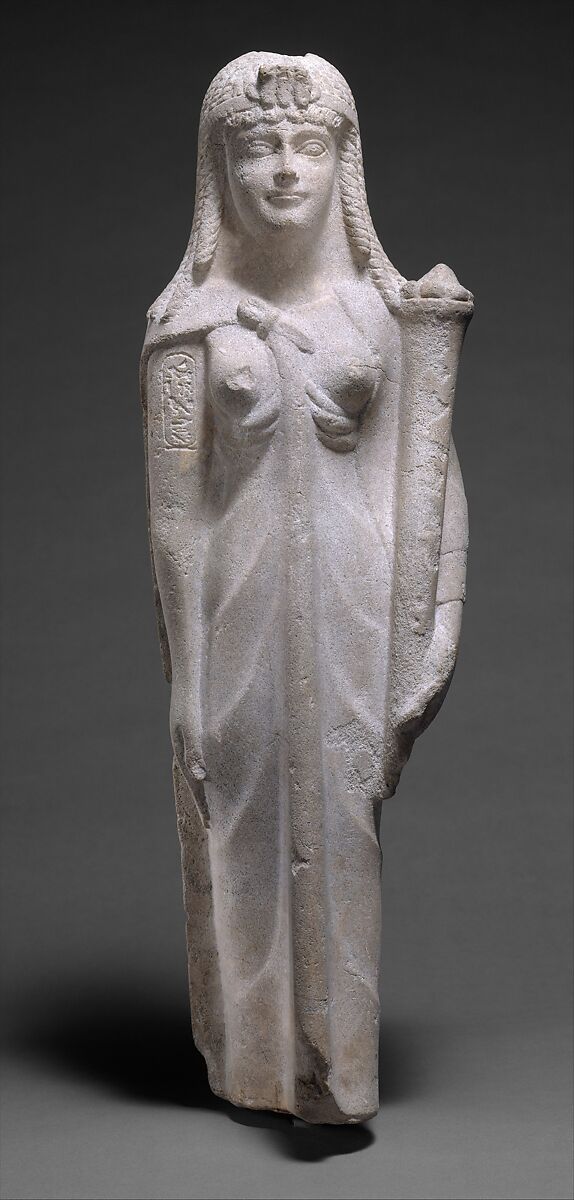
Born in 69 BCE, Cleopatra was a daughter of Ptolemy XII. Her dynasty descended from Ptolemy, one of Alexander the Great’s commanders, who established himself in Egypt after Alexander’s death. Its court used Greek, while its rulers also presented themselves through Egyptian religious traditions.
Cleopatra’s precise maternal ancestry remains uncertain. Modern racial categories do not map neatly onto her world, and incomplete family records cannot settle every question about her background. What is clear is her place within a Macedonian Greek ruling dynasty governing an Egyptian population.
Alexandria offered a cosmopolitan environment of scholarship, trade, and royal politics. Plutarch, writing much later, praised Cleopatra’s conversation and linguistic ability, reporting that she spoke Egyptian as well as other languages. His account should not be mistaken for a contemporary assessment, but it challenges the familiar image of a queen whose influence depended only on appearance.
A Throne Shared with Rivals
When Ptolemy XII died in 51 BCE, Cleopatra became joint ruler with her younger brother Ptolemy XIII. Sibling marriage and shared kingship belonged to Ptolemaic dynastic practice, but they did not guarantee cooperation. Rival advisers and competing claims soon made the arrangement dangerous.
Cleopatra lost her position in Alexandria and gathered support outside the capital. Then Rome’s civil war reached Egypt. In 48 BCE, the defeated Roman commander Pompey arrived seeking refuge. Members of Ptolemy XIII’s circle arranged his murder, apparently hoping to win favor with Julius Caesar.
Caesar arrived shortly afterward. Rather than disappear into the background of a Roman conflict, Cleopatra sought direct access to him. Plutarch tells the famous story of her being carried into the palace concealed in a bedding sack. Later retellings turned it into a luxurious carpet. The episode survives as an ancient literary account, not an independently documented scene.
Cleopatra and Julius Caesar
Caesar supported Cleopatra in the resulting struggle. Fighting engulfed Alexandria before Roman reinforcements helped determine the outcome. Ptolemy XIII died in 47 BCE, and Cleopatra returned to power alongside another younger brother, Ptolemy XIV.
Her alliance with Caesar combined personal intimacy with political necessity. Roman military backing strengthened her position, while Egypt’s resources and strategic importance gave Caesar reasons to maintain a friendly monarchy.
Cleopatra gave birth to Ptolemy XV, commonly called Caesarion, in 47 BCE. She identified Caesar as his father. The claim mattered enormously to her dynasty, but surviving evidence does not establish paternity beyond dispute. Caesar’s eventual adoption of Octavian in his will also meant that Caesarion was not his recognized Roman political heir.
Cleopatra spent time in Rome before Caesar’s assassination in March 44 BCE. His death removed her most powerful protector. After returning to Egypt, she ruled with Caesarion following Ptolemy XIV’s death. Ancient allegations that she poisoned her brother cannot be treated as proven fact.
Governing Beyond the Palace
Royal survival required more than access to Roman leaders. Cleopatra’s government depended on taxation, agricultural production, officials, and cooperation with religious institutions. The Nile valley supplied the kingdom’s economic foundation, and instability in harvests or revenue threatened royal authority.
Her public image addressed different audiences. Coin portraits presented a Hellenistic monarch. Egyptian temple imagery placed her within pharaonic tradition. At Dendera, Cleopatra and Caesarion appear in a religious setting that connected their dynasty to established forms of sacred kingship.
This was not a contradiction she needed to resolve. Ptolemaic rulers had long governed through overlapping traditions. Cleopatra’s task was to make those traditions support a monarchy increasingly dependent on decisions made by Roman generals.
Mark Antony and a New Political Gamble
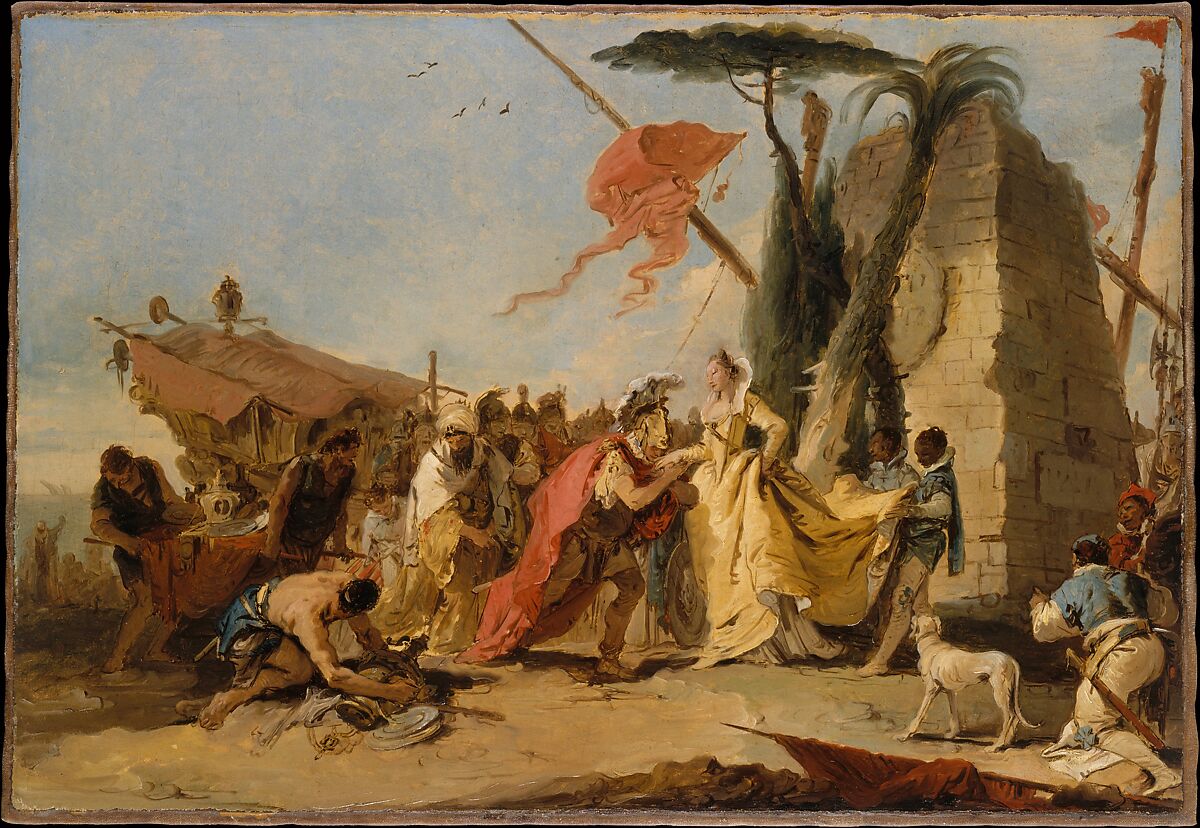
In 41 BCE, Cleopatra met Mark Antony at Tarsus. Antony controlled Rome’s eastern sphere and needed resources for his campaigns. Cleopatra needed a powerful partner who could protect and potentially enlarge her kingdom.
Their relationship produced three children: the twins Alexander Helios and Cleopatra Selene, followed by Ptolemy Philadelphus. Family and statecraft became inseparable. Antony’s marriage to Octavia, the sister of his Roman rival Octavian, made these arrangements even more politically explosive.
At the Donations of Alexandria in 34 BCE, Antony publicly assigned kingdoms and territories to Cleopatra and their children. Some grants concerned lands he did not control. The ceremony expressed dynastic ambition, but it also offered Octavian a potent weapon.
Octavian depicted Antony as abandoning Roman interests for a foreign queen. That propaganda helped turn another contest between Roman strongmen into a war presented as a defense of Rome against Cleopatra. Surviving Roman-centered narratives often preserve the assumptions of her enemies.
Actium and the Fall of Alexandria
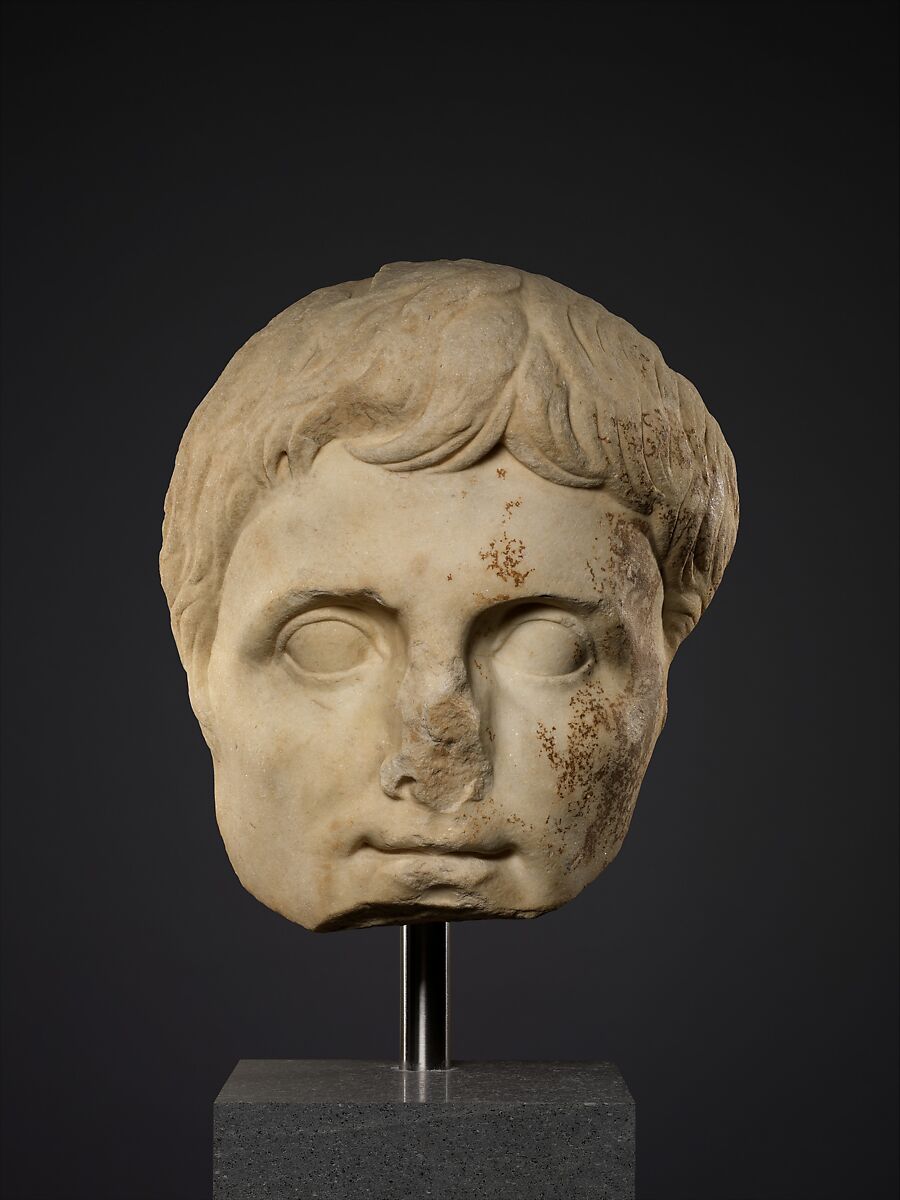
On September 2, 31 BCE, the forces of Antony and Cleopatra fought Octavian’s fleet near Actium in western Greece. Octavian’s commander Agrippa had already placed their position under severe pressure. During the naval battle, Cleopatra’s ships broke out, and Antony followed.
The circumstances and intentions behind the withdrawal remain debated. Reducing the defeat to a sudden romantic impulse ignores the military crisis surrounding it. Whatever the plan, their wider position collapsed as troops and allies abandoned them.
Octavian advanced into Egypt in 30 BCE. With resistance failing, Antony died by suicide. Cleopatra briefly survived him and attempted to negotiate, particularly over the future of her children.
How Did Cleopatra Die?
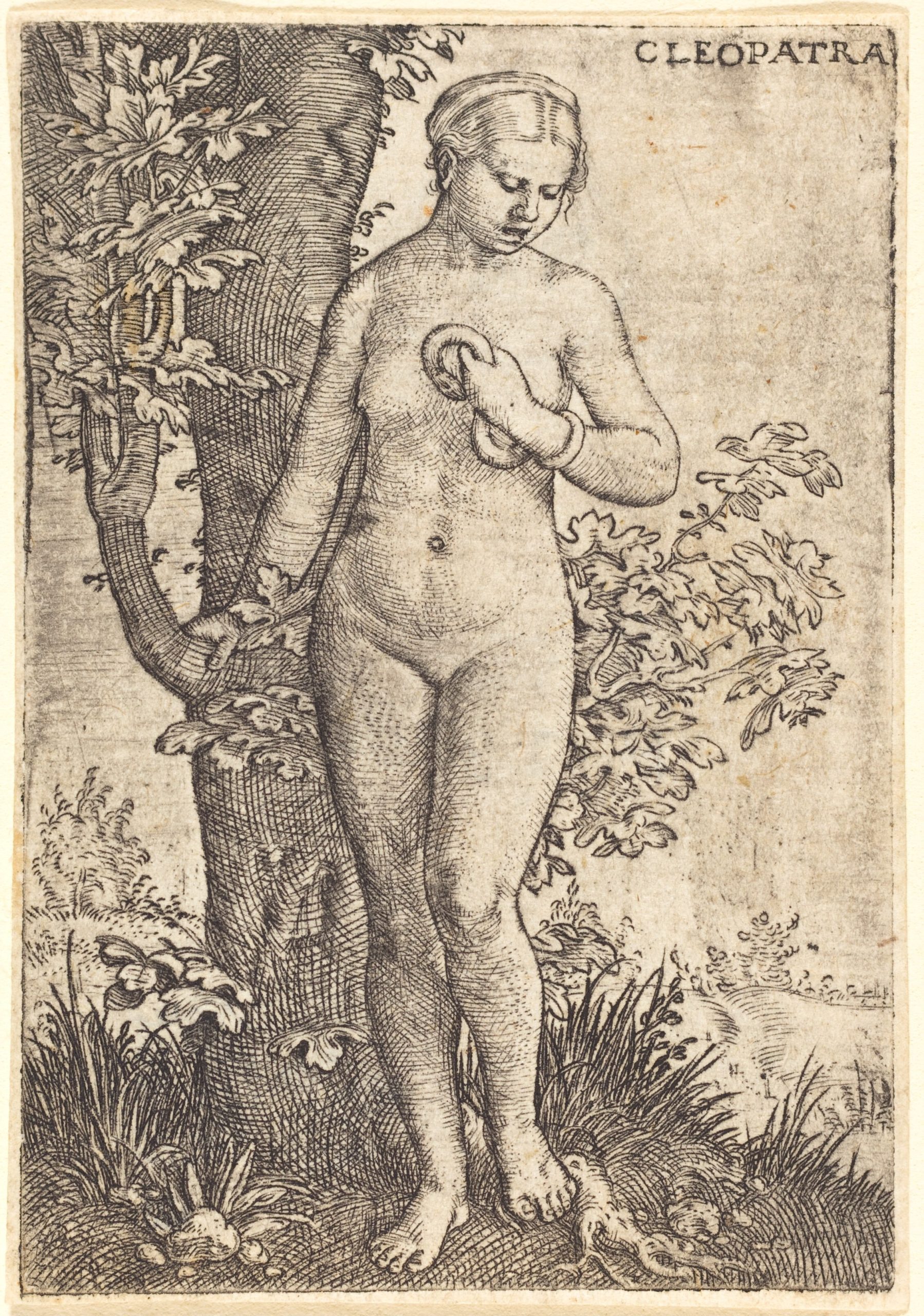
Cleopatra died in August 30 BCE, traditionally understood as suicide after Octavian’s victory. The familiar snakebite story is less certain than its countless paintings suggest. Plutarch reports competing explanations and explicitly acknowledges uncertainty about the means of her death.
A venomous snake, poison, and different delivery methods appear in ancient traditions. No surviving evidence conclusively resolves them. Her death itself and the destruction of her political position are far better established than the dramatic details.
Octavian ordered Caesarion’s death. Cleopatra Selene survived and later became queen of Mauretania with Juba II. Egypt, meanwhile, became a Roman possession.
The Woman Behind the Legend
Cleopatra failed to preserve her dynasty, but failure does not make her reign politically trivial. For roughly two decades she maneuvered within an exceptionally dangerous struggle, using diplomacy, wealth, family ties, and royal imagery to defend her position.
Her legend reflects later fascination with powerful women as much as it reflects her own lifetime. Recovering the historical Cleopatra means neither dismissing her personal relationships nor allowing them to explain everything. She was a monarch confronting imperial expansion, and the choices available to her narrowed as Roman power grew.
Get Your Images Done Too
If you want your photos bringing back to life, send me a message on any of my social media accounts.
Follow me across social media for historical photo restorations, AI colorizations, and videos bringing the past to life!