Annie Oakley on Film: 21 Seconds Inside Edison’s Studio
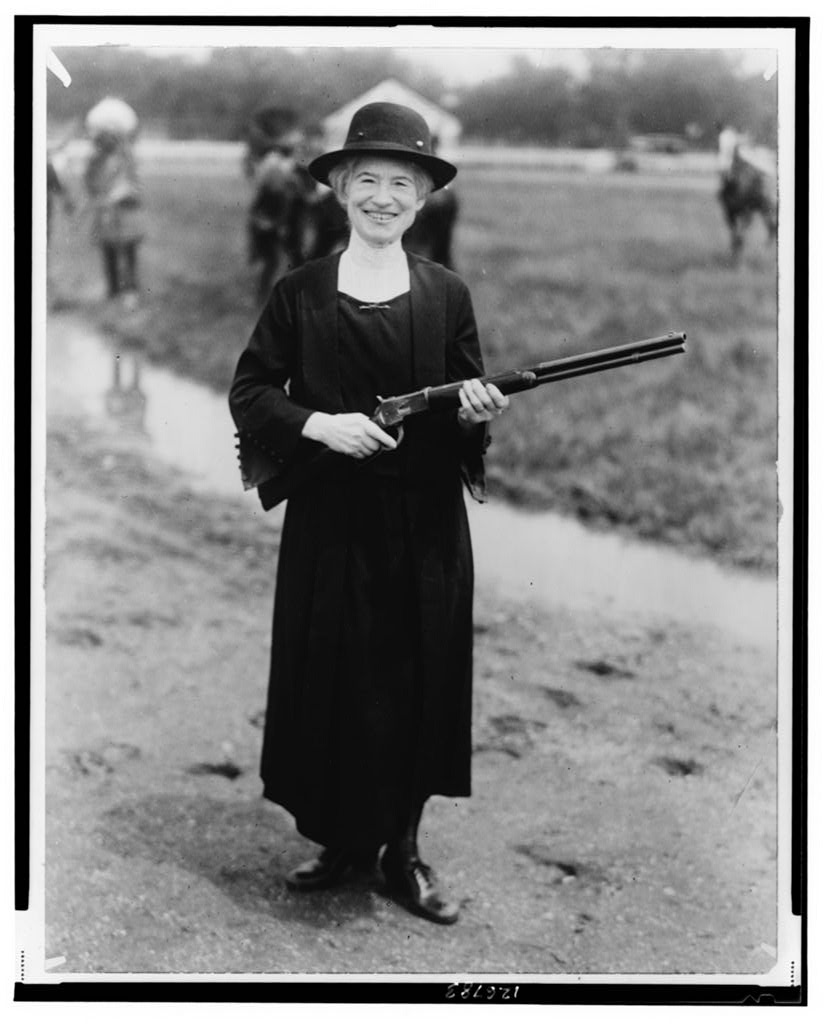
Most photographs of Annie Oakley ask us to imagine what happened a second later. This Annie Oakley film from 1894 lets us see. On November 1, 1894, Oakley performed for a motion-picture camera in West Orange, New Jersey. The surviving clip is only about 21 seconds long, but it catches something a posed portrait can’t: a performer at work.
Watch Annie Oakley on Instagram
Watch this Reel on Instagram
If the video doesn’t load here, open the Reel on Instagram.
Why Annie Oakley was in a New Jersey film studio
Oakley was already a performer with Buffalo Bill’s Wild West. It was a traveling show, not a documentary about life on the frontier. When she stepped in front of William Heise’s camera at Edison’s Black Maria studio, she brought a skill she had already made a career of demonstrating in public.
The Library of Congress catalog describes the sequence as an exhibition of rifle shooting. It records the filming date as November 1, 1894, but lists the Edison Manufacturing Company publication as 1895. Both dates belong to the film’s history. The first is when Oakley performed; the second is when the catalog says it was published.
What the Annie Oakley film shows
There’s no dialogue or original recorded sound. You see her move through the demonstration, resetting for the next shot rather than holding the finished pose we know from photographs. The camera stays put. The movement comes from Oakley and the act itself.
That matters when watching an edited version today. The Annie Oakley film is genuine archival footage, not a still portrait animated to imitate her movements. To compare the presentation on Instagram with the source, watch the Library of Congress’s original silent clip. Film credit: Library of Congress, Motion Picture, Broadcasting, and Recorded Sound Division; camera by William Heise.
Read next
Explore more stories behind historical photographs.
Bring your own family photographs to life
Have an old family photo you’d love to see in color and motion? I can restore it, colorize it, and turn it into a short video.