The Ingalls Family: Charles, Caroline, Their Five Children and the Real Little House Story
Charles and Caroline Ingalls crossed the American Midwest in a covered wagon, moving their family from one new town to another in search of a farm that would finally support them. Most people meet them as Pa and Ma in the Little House books. Behind those characters was a real family whose life was harder, longer and more complicated than the novels had room for.
Charles was a farmer, carpenter and fiddle player. Caroline had worked as a teacher before her marriage. Between 1865 and 1877 they had five children, four daughters and a son who died as a baby.
Their daughters grew up, but only one of them became famous. Laura Ingalls Wilder turned her parents, her sisters and their years of moving into one of the best-known family stories in American literature. To understand the books, it helps to begin with the family itself.
Who were Charles and Caroline Ingalls?
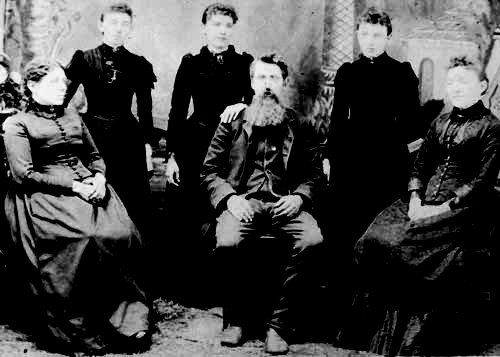
Charles Phillip Ingalls was born on 10 January 1836 in Cuba, New York, and grew up in Illinois and Wisconsin. He farmed, worked as a carpenter and played the fiddle, the instrument that fills so many scenes in his daughter’s books.
Caroline Lake Ingalls, born Caroline Quiner, was born on 12 December 1839 in Brookfield, Wisconsin. She taught school as a young woman before her marriage, at a time when few married women worked outside the home.
Charles and Caroline married on 1 February 1860 in Concord, Wisconsin. They remained together for forty-two years, until his death in 1902.
| Person | Father | Mother |
| Charles Ingalls | Lansford Whiting Ingalls | Laura Louise Colby |
| Caroline Ingalls | Henry Newton Quiner | Charlotte Wallis Tucker |
How many children did Charles and Caroline have?
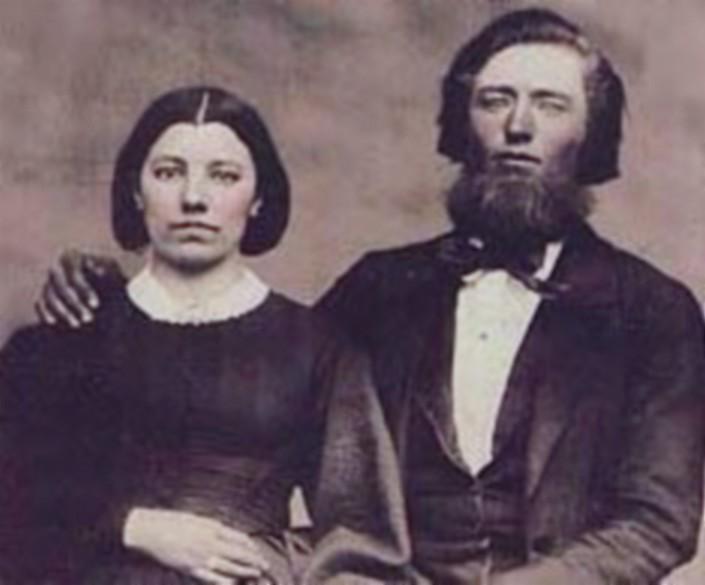
They had five children, born between 1865 and 1877. Only the four daughters lived to grow up.
| Child | Born | Died | Later life |
| Mary Amelia | 10 January 1865 | 20 October 1928 | Eldest daughter; blind from the age of fourteen |
| Laura Elizabeth | 7 February 1867 | 10 February 1957 | Author of the Little House books |
| Caroline Celestia (Carrie) | 3 August 1870 | 2 June 1946 | Born in Kansas; worked for newspapers in South Dakota |
| Charles Frederick (Freddie) | 1 November 1875 | 27 August 1876 | Died in infancy, aged nine months |
| Grace Pearl | 23 May 1877 | 10 November 1941 | Youngest daughter; married and farmed near De Smet |
Freddie is the child many readers never hear about. He was born while the family lived in Minnesota and died at nine months old. Laura left him out of the novels entirely, so generations of readers grew up believing the family had four children, not five.
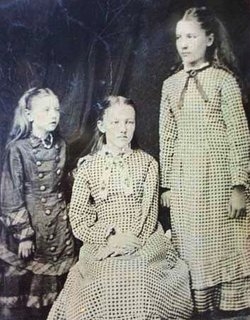
Where did the Ingalls family live?
The family rarely stayed anywhere for long. Laura was born on 7 February 1867 in a log cabin in the Big Woods near Pepin, Wisconsin. In 1869 the family travelled south to Kansas, where Charles built a cabin on Osage land near Independence. They were not entitled to settle there, and in 1871 they returned to Wisconsin.
In 1874 they moved again, to Walnut Grove, Minnesota, where they first lived in a dugout on the banks of Plum Creek. Grasshoppers destroyed their crops two years running. In 1876 they left for Burr Oak, Iowa, where Charles and Caroline helped to run a hotel. Freddie was born during the Minnesota years and died that same summer of 1876.
The family returned to Walnut Grove in 1878, then made their final move in 1879, to the new railroad town of De Smet in Dakota Territory. Charles worked for the railroad, and the family spent their first Dakota winter in the surveyors’ house. The terrible winter of 1880 to 1881, when blizzards cut De Smet off for months, later became The Long Winter.
What happened to Mary Ingalls?
In 1879, when she was fourteen, Mary became seriously ill and slowly lost her sight. In the books, Laura blamed scarlet fever. Modern research suggests that explanation may be wrong. A University of Michigan study, published in the journal Pediatrics, examined Laura’s letters, local newspaper reports and school records, and concluded that viral meningoencephalitis, an inflammation of the brain and spinal cord, was the more likely cause.
Mary did not let blindness end her education. From 1881 she attended the Iowa Braille and Sight Saving School in Vinton, Iowa, completing the seven-year course and graduating in 1889. She returned to De Smet and lived with her parents, earning money by making fly nets for horses.
She never married. After her parents died she lived first with Grace and then with Carrie, and died at Carrie’s home in Keystone, South Dakota, on 20 October 1928. She is buried beside her parents in De Smet Cemetery.
Laura Ingalls and Almanzo Wilder
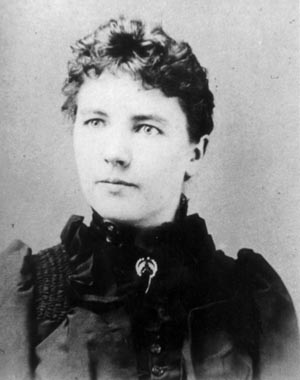
Laura began teaching school at fifteen, worked as a seamstress and helped her family wherever she could. On 25 August 1885, in De Smet, she married Almanzo James Wilder, a young farmer originally from New York whose own childhood she later retold in Farmer Boy.
Their daughter, Rose, was born on 5 December 1886. The early years of the marriage were brutal: illness left Almanzo partially disabled, their baby son died in 1889, and drought and debt defeated their Dakota farm. In 1894 the couple left De Smet for Mansfield, Missouri, where they built Rocky Ridge Farm and finally stayed in one place.
What happened to Carrie and Grace?
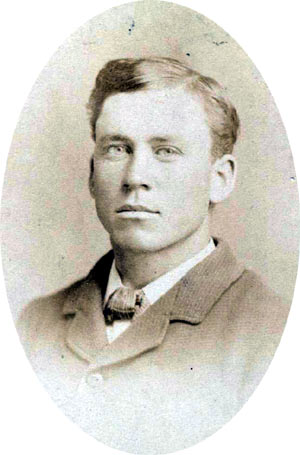
Carrie, the baby born in the Kansas cabin in 1870, grew up to work for newspapers in South Dakota and filed a homestead claim of her own. In 1912 she married David Swanzey, a widower, in Keystone, South Dakota. It was in Carrie’s house that Mary died in 1928. Carrie herself died on 2 June 1946.
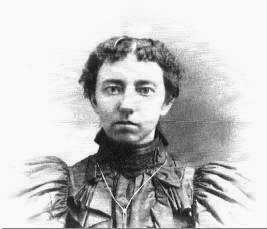
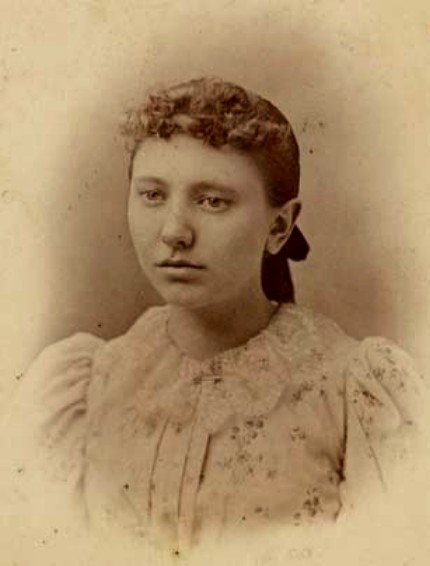
Grace, the youngest, was born in Burr Oak, Iowa, in 1877. She married Nathan Dow in 1901 and farmed near De Smet. She helped to care for her mother and for Mary in their last years, and died on 10 November 1941. Neither Carrie nor Grace had children of their own, which is one reason Laura’s writing matters so much: for this family, the books became the descendants.
The last years in De Smet
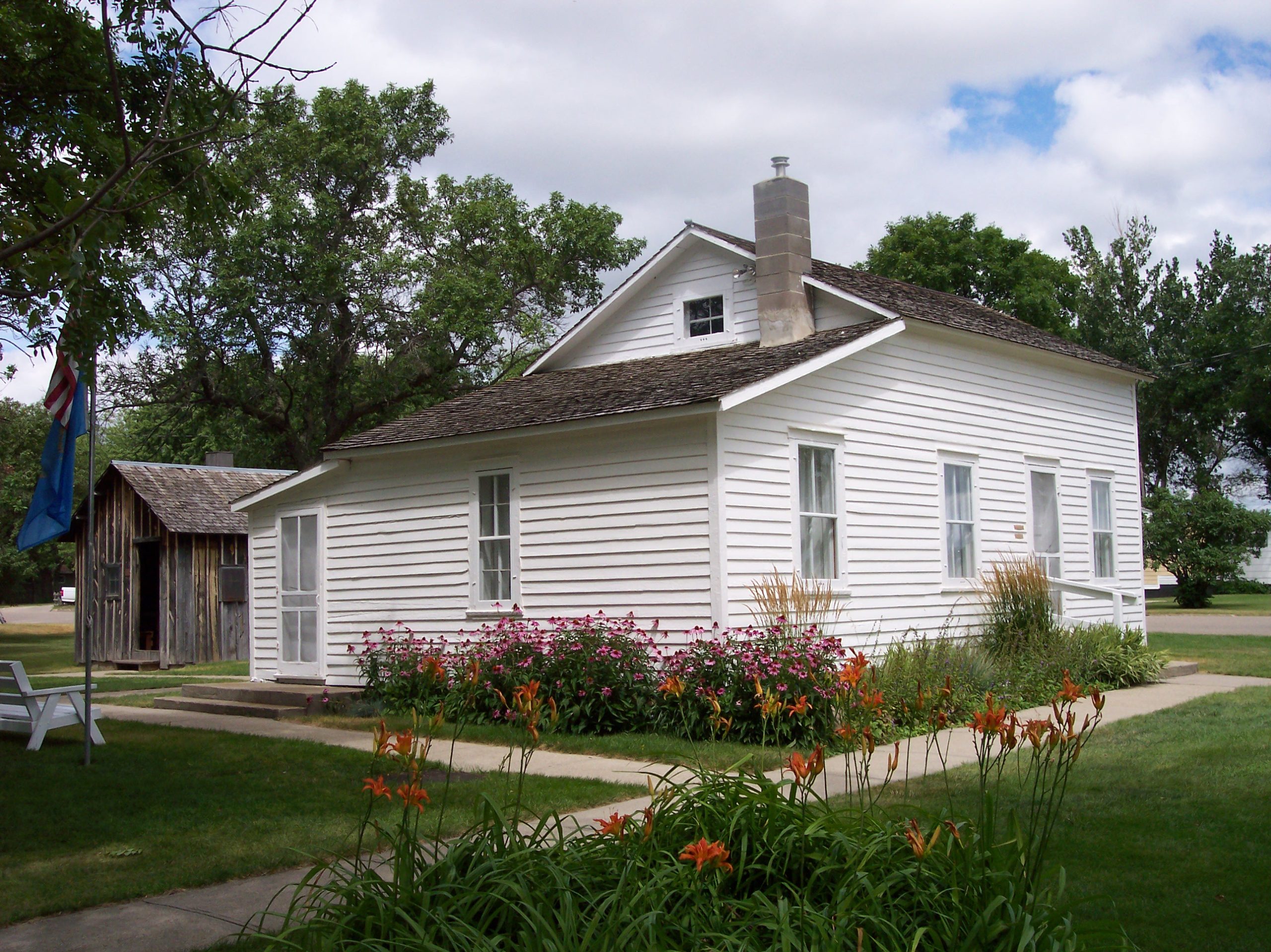
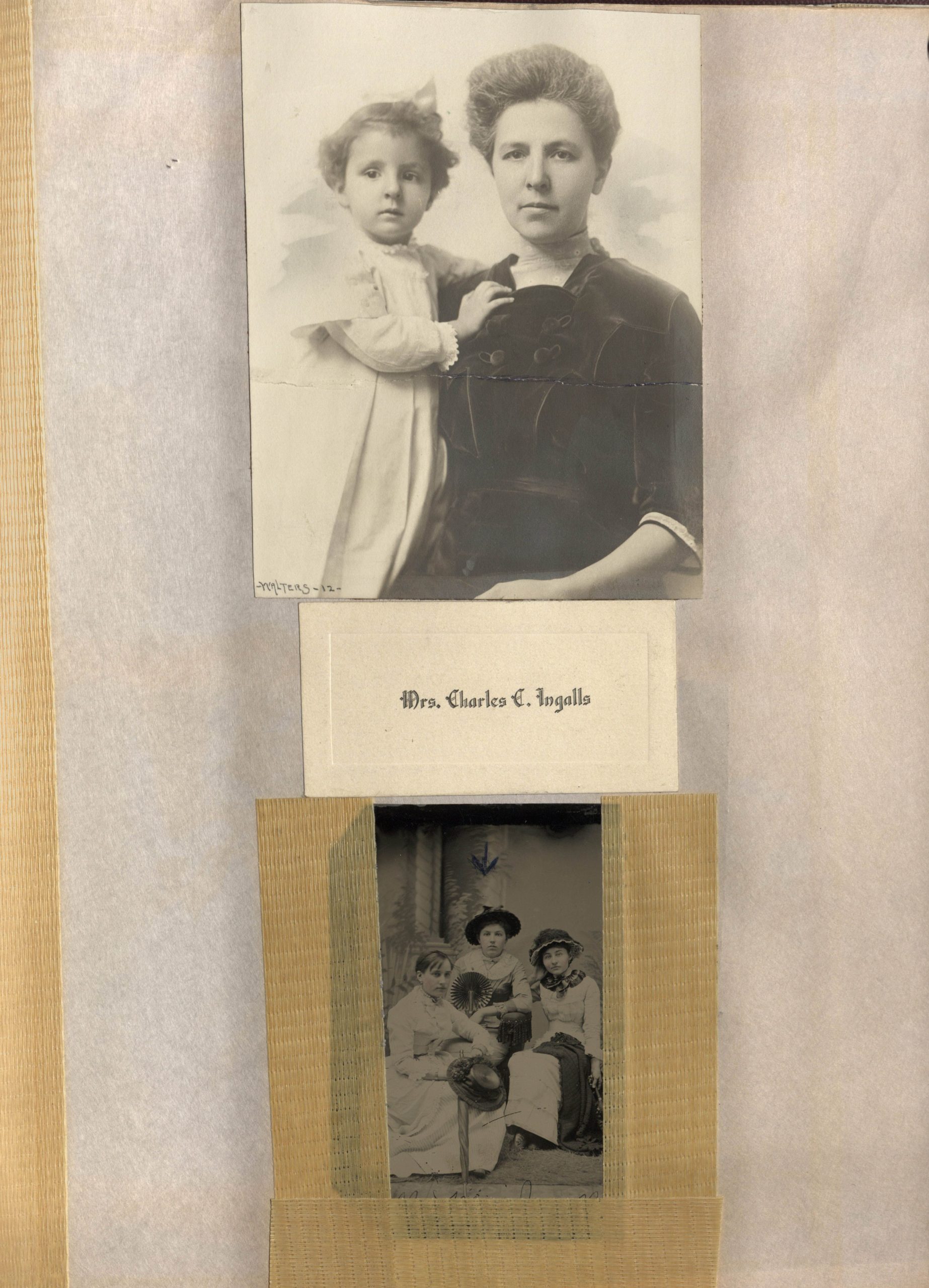
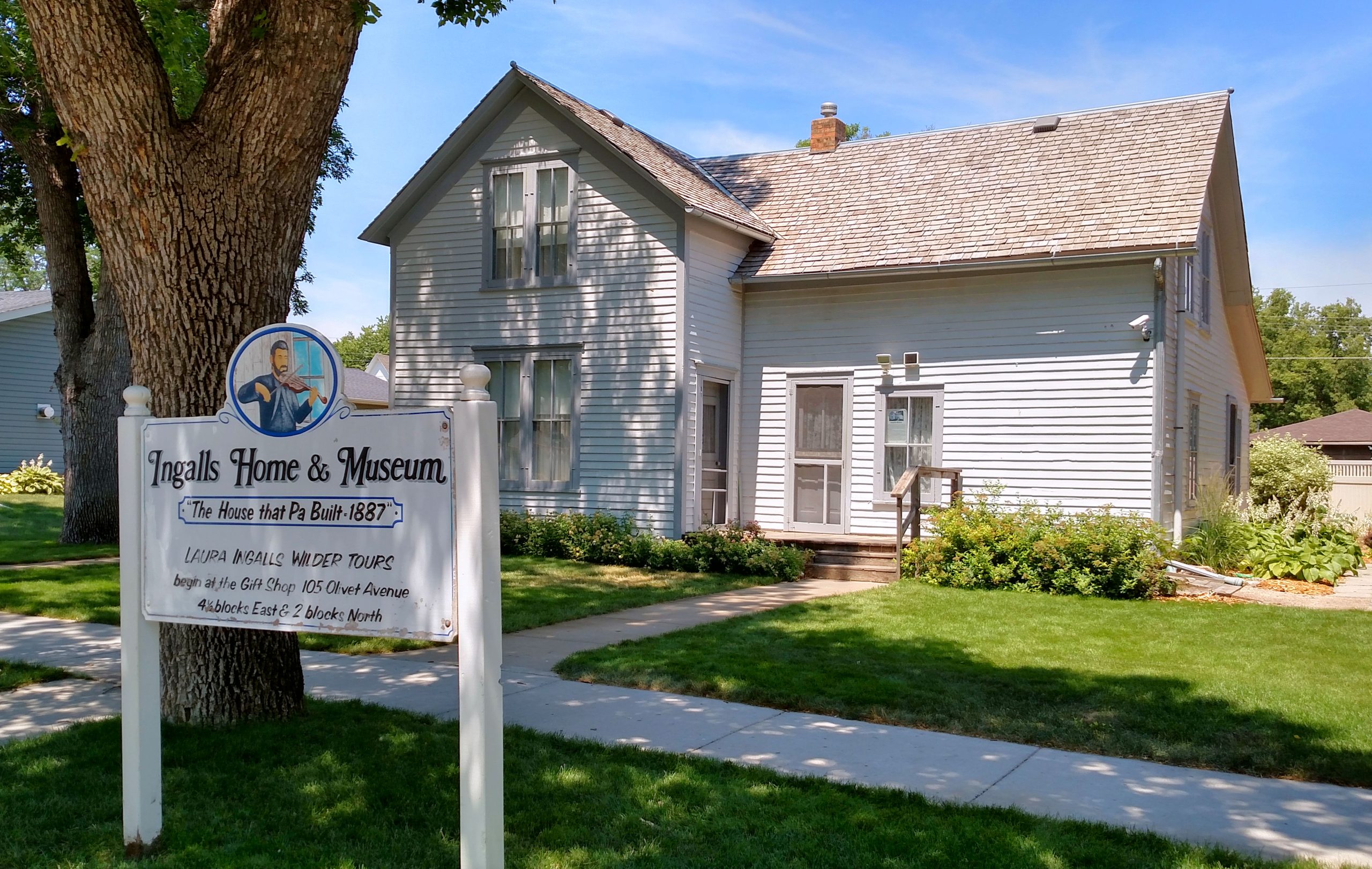
De Smet was the town the wandering finally stopped in. In 1887 Charles built a house on Third Street, and it was there that he died on 8 June 1902. Caroline lived on in the house with Mary for more than twenty years, until her own death on 20 April 1924.
The house Charles built still stands in De Smet and is now a museum, one of several Ingalls sites preserved along the family’s long trail west.
How the Ingalls family became the Little House books
Laura spent years writing for a farming newspaper, the Missouri Ruralist. In 1930, at sixty-three, she wrote her autobiography, Pioneer Girl. Encouraged by her daughter Rose, a professional writer, she reshaped that memoir into novels for children: Little House in the Big Woods (1932), Farmer Boy (1933), Little House on the Prairie (1935), On the Banks of Plum Creek (1937), By the Shores of Silver Lake (1939), The Long Winter (1940), Little Town on the Prairie (1941) and These Happy Golden Years (1943).
The original memoir had to wait. The South Dakota Historical Society Press published Pioneer Girl: The Annotated Autobiography in 2014, edited by Pamela Smith Hill, and it became a bestseller, letting readers compare the real family’s story with the one Laura chose to tell.
Almanzo died at Rocky Ridge in 1949. Laura died there on 10 February 1957, three days after her ninetieth birthday. Charles’s fiddle, the instrument at the heart of so many scenes in the books, survives at the Laura Ingalls Wilder Historic Home and Museum in Mansfield, where the farmhouse stands much as she left it.
The novels tidied the family’s life into a straighter journey than the one they actually made. The real Ingalls family doubled back, lost a child, buried their failures in more than one state and kept going anyway. That, more than the wagon or the fiddle, is what their story is really about.
Sources and image credits
This article draws on the University of Michigan’s research into Mary Ingalls’s illness, the South Dakota Historical Society Press and its Pioneer Girl Project, and the Laura Ingalls Wilder Historic Home and Museum in Mansfield, Missouri. The University of Michigan report, the Pioneer Girl publication page and the museum’s records support the principal family dates. Nine of the ten images are public domain; the De Smet house photograph is shared under a Creative Commons licence and is credited beneath the image. Each image carries its own source link.
Explore more lives in our history articles.
If you want your photos bringing back to life, send me a message on any of my social media accounts.
Follow me across social media for historical photo restorations, AI colorizations, and videos bringing the past to life!