Florence Nightingale: The Reformer Behind the Lamp
Florence Nightingale became famous for walking through hospital wards with a lamp. The image captured her attention to wounded soldiers, but it left much of her achievement out of the picture. She also studied records, challenged administrators, designed arguments and worked to change the systems that made people sick.
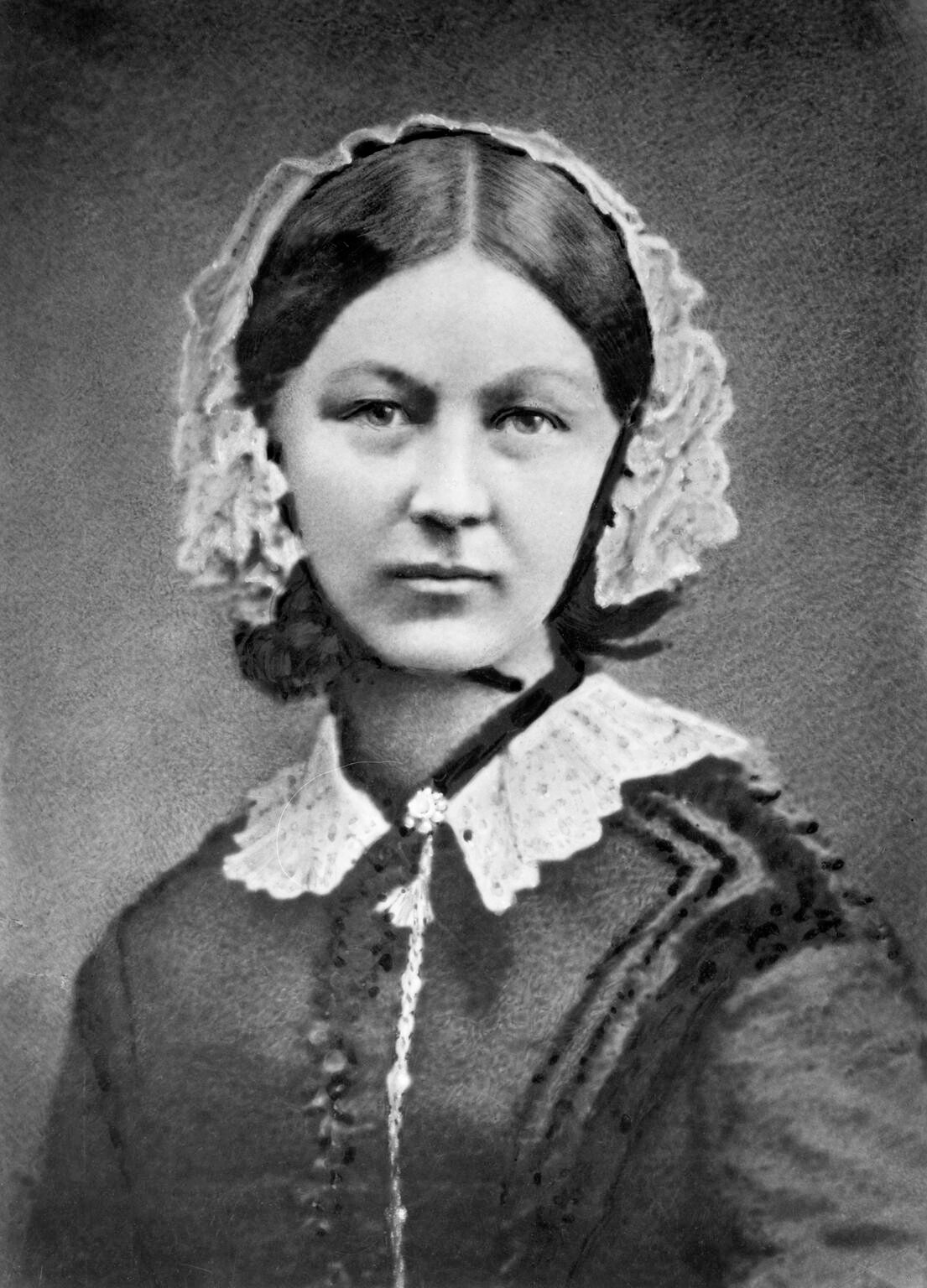
Her influence came from combining compassion with organization. Nursing needed trained people, hospitals needed workable routines, and governments needed evidence that preventable deaths were not inevitable. Nightingale devoted much of her ninety-year life to those problems.
An Education That Opened a Different Future
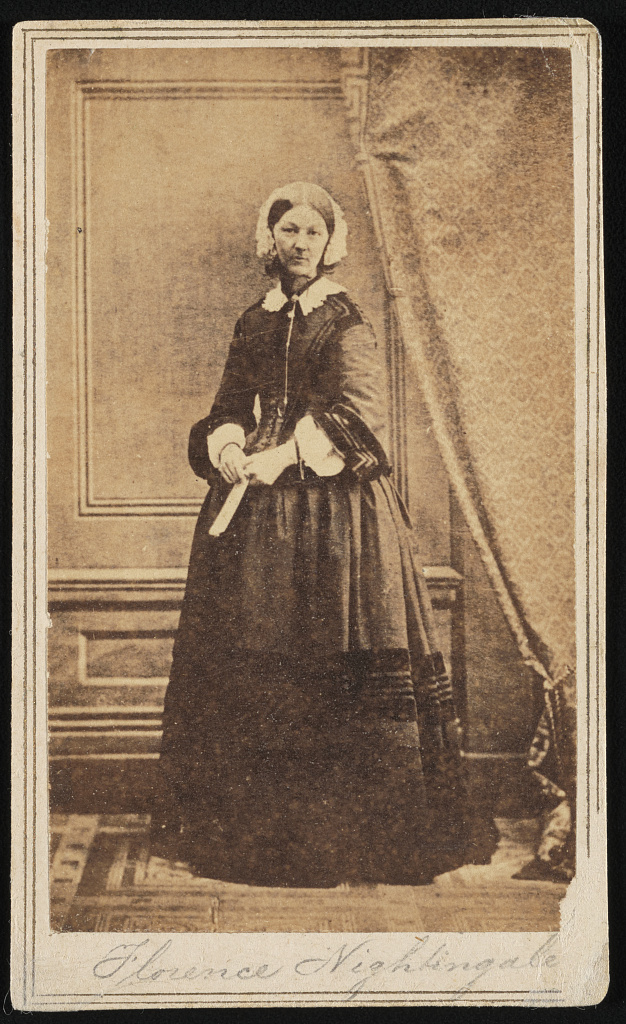
Florence Nightingale was born on May 12, 1820, in Florence, Italy, while her English parents were abroad. The family named her after the city. Back in England, she grew up in comfortable circumstances, dividing her childhood between family homes in Derbyshire and Hampshire.
Her father educated her, and she developed an interest in mathematics as well as languages and wider intellectual life. Wealth gave her opportunities, but it also came with expectations. A woman of her social position was generally expected to marry and manage a household, not pursue demanding institutional work.
As a teenager, Nightingale believed she received a religious calling to serve others. She gradually came to understand nursing as that vocation. Her family resisted. Paid nursing carried a poor reputation in many Victorian settings, and her ambitions appeared to reject the future they imagined for her.
She did not marry. Instead, she pursued practical experience and study, eventually training at Kaiserswerth in Germany in 1851. By 1853 she was managing an institution for sick gentlewomen in London. The National Women’s History Museum outlines this early struggle to turn an unconventional ambition into a profession.
The Crisis at Scutari
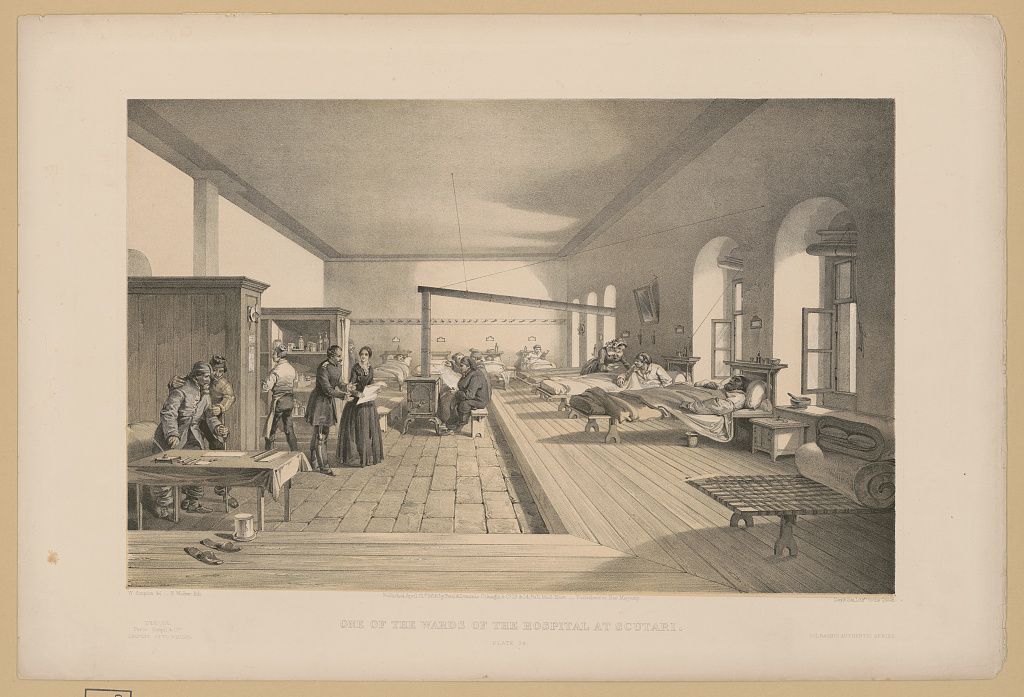
The Crimean War brought Nightingale into national attention. Reports of inadequate care for British soldiers provoked public anger. In 1854, she led a party of thirty-eight nurses to the military hospitals at Scutari, across the Bosporus from Constantinople, now Istanbul.
The hospitals received men suffering not only from battle wounds but also from disease. Overcrowding, shortages and poor sanitary arrangements made their situation worse. Nightingale and her colleagues organized supplies, improved food and laundry arrangements, and offered sustained personal care.
The work involved more than kindness at a bedside. Someone had to secure equipment, manage staff, track needs and confront resistance. Some army doctors initially resented the nurses’ arrival. Accepting their help meant changing established routines and assumptions about authority.
Nightingale’s nighttime rounds helped create the celebrated image of the Lady with the Lamp. Newspaper coverage made her a public heroine. Yet the National Army Museum’s account explains why the familiar story needs qualification: deaths initially remained extremely high, and the sanitary commission’s repairs to sewers and ventilation played a crucial role in their subsequent decline.
Why the Statistics Mattered
The lesson of Scutari was not that one exceptional nurse could rescue any hospital by working harder. Institutions could endanger patients through their buildings, arrangements and failures of administration. Understanding those dangers required reliable information.
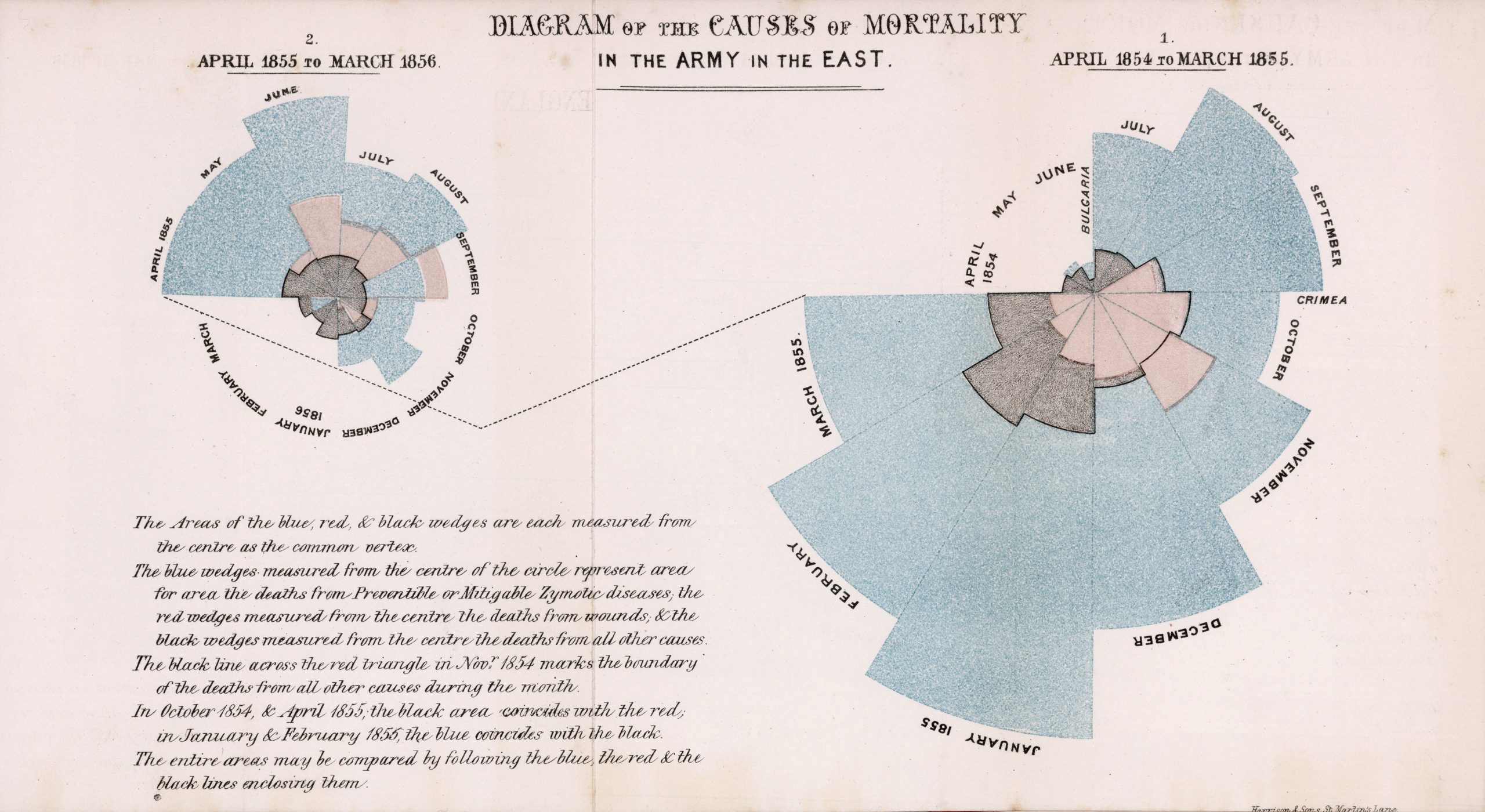
After returning to Britain in 1856, Nightingale used evidence from the war to support reform. She worked with statisticians, including William Farr, to analyze mortality and communicate its causes. Her famous polar area diagrams made differences visible to readers who might never study a long table of figures.
These were not ordinary pie charts. The areas of the colored segments represented quantities, allowing the scale of deaths from different causes to make an immediate impression. Disease occupied far more space than battle wounds. That visual argument challenged the assumption that military deaths were simply the unavoidable cost of fighting.
The Royal Statistical Society records that she became its first female member in 1858. Its discussion of her collaboration with Farr also cautions against treating the work as a solitary invention. Nightingale’s strength lay partly in bringing different kinds of expertise together.
Teaching the Work of Nursing
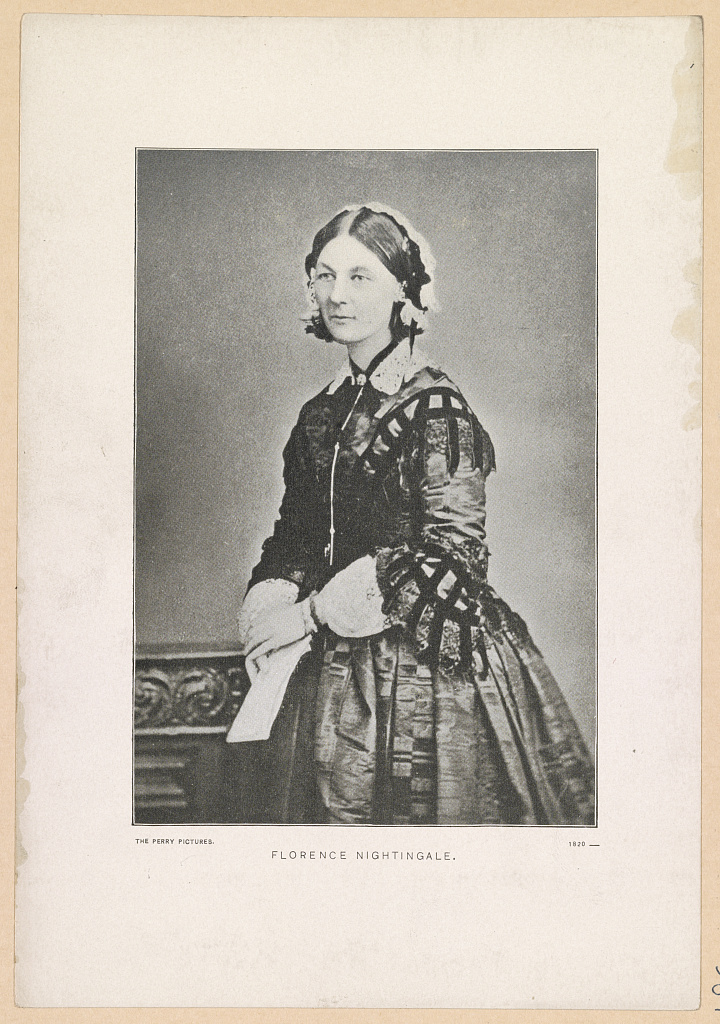
In 1860, public donations helped establish the Nightingale Training School at St Thomas’ Hospital. Its importance lay not only in training individual nurses but in spreading a model. Graduates could carry their skills into other institutions and help organize further schools.
Nightingale wanted nursing to have standards, education and a recognizable professional purpose. Good intentions alone could not ensure competent care. The training school helped connect practical ward work with supervision and disciplined habits.
The history preserved by King’s College London, whose nursing faculty descends from the school, emphasizes this international ambition. Nightingale expected trained nurses to help build institutions beyond their original hospital. Her legacy therefore traveled through people, not merely through a celebrated name.
What Notes on Nursing Actually Said
Nightingale also reached readers through writing. Her best-known book, Notes on Nursing, appeared in 1859. It addressed the conditions surrounding a sick person: air, warmth, cleanliness, light, food, quiet and careful observation.
The book was not a substitute for all professional training, and she said so. It offered ways to think about care, including care in the home. Its practical questions remain revealing. Was a room needlessly noisy? Did a patient actually eat the food provided? Did an apparently small disruption prevent needed rest?
Her approach treated the patient as someone living in an environment rather than merely carrying a diagnosis. She urged caregivers to notice changes and report useful observations instead of relying on vague impressions.
Readers should also understand the text historically. It belongs to nineteenth-century medicine, not to present-day clinical guidance. Its enduring interest lies in the seriousness it gives to attentive care and the preventable burdens imposed on vulnerable people. The public-domain original makes those priorities especially clear.
A Long Working Life Beyond the Ward
Nightingale suffered prolonged ill health after the war. Retrospective explanations of her condition vary, and a confident modern diagnosis would go beyond the surviving evidence. What is clear is that illness often restricted her activity without ending her work.
She used correspondence, reports and personal connections to press for improvements. Her interests extended to hospital design, military health and sanitation in India, where she worked through information and networks rather than personal travel.
She could be exacting and forceful, qualities that the gentle lamp image tends to conceal. Effective reform meant demanding answers and sustaining pressure long after the public’s attention moved elsewhere. The Florence Nightingale Museum documents the scale and range of this later campaigning.
Death and a Lasting Professional Legacy
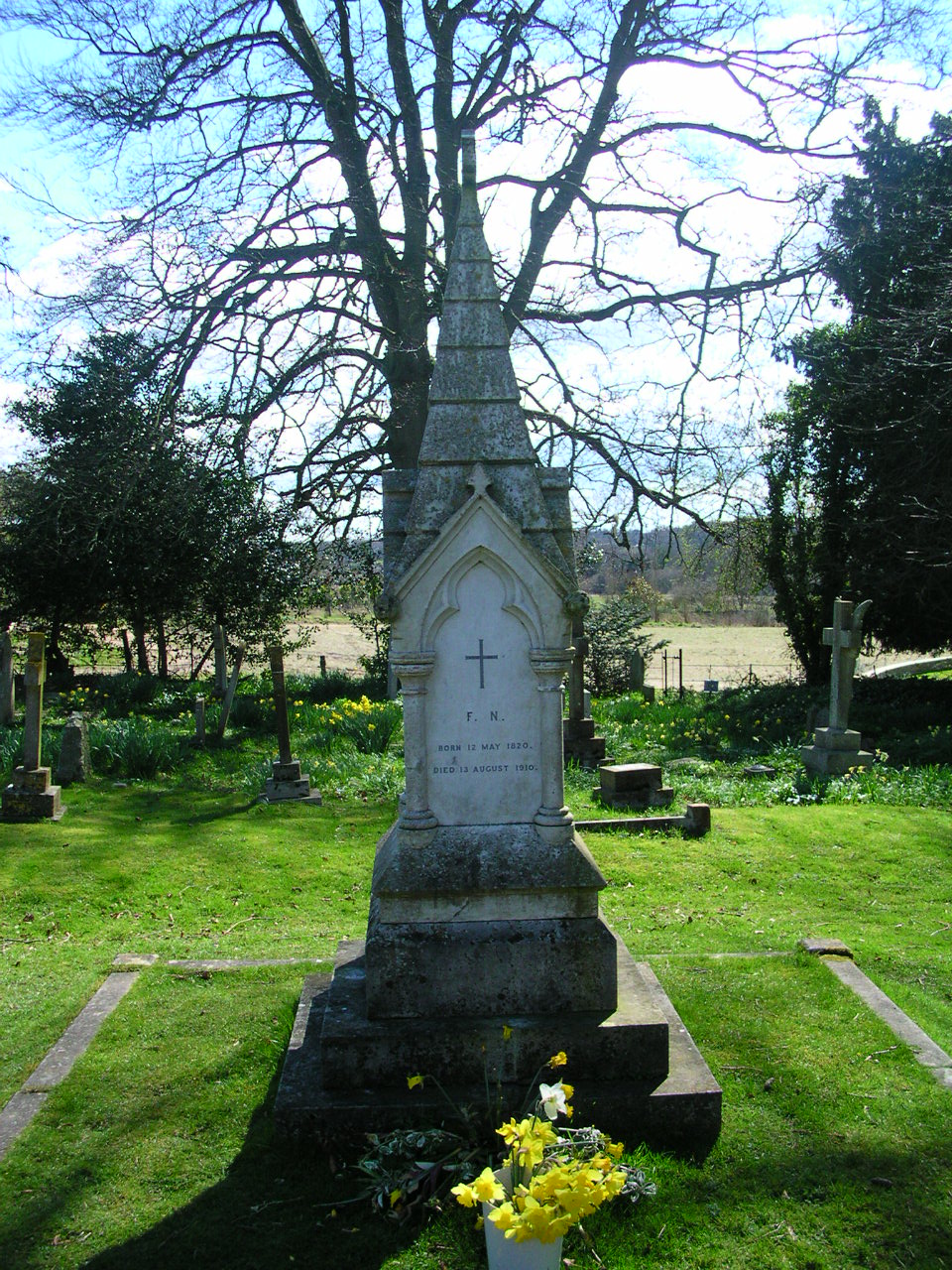
In 1907, Nightingale became the first woman awarded Britain’s Order of Merit. She died on August 13, 1910, aged ninety, and was buried with her family at East Wellow in Hampshire.
She did not invent nursing, and her achievements depended on other nurses, doctors, reformers and supporters. Recognizing them does not diminish her. It places her influence where it belongs: in the transformation of care into organized, teachable and accountable work.
The lamp remains a compelling symbol. Beside it, however, belong a notebook, a statistical chart and a training ward. Together they tell the fuller story of a woman who insisted that concern for suffering should lead to evidence, practical changes and better chances of recovery.
Get Your Images Done Too
If you want your photos bringing back to life, send me a message on any of my social media accounts.
Follow me across social media for historical photo restorations, AI colorizations, and videos bringing the past to life!