Julius Caesar: The General Who Broke Rome’s Political Order
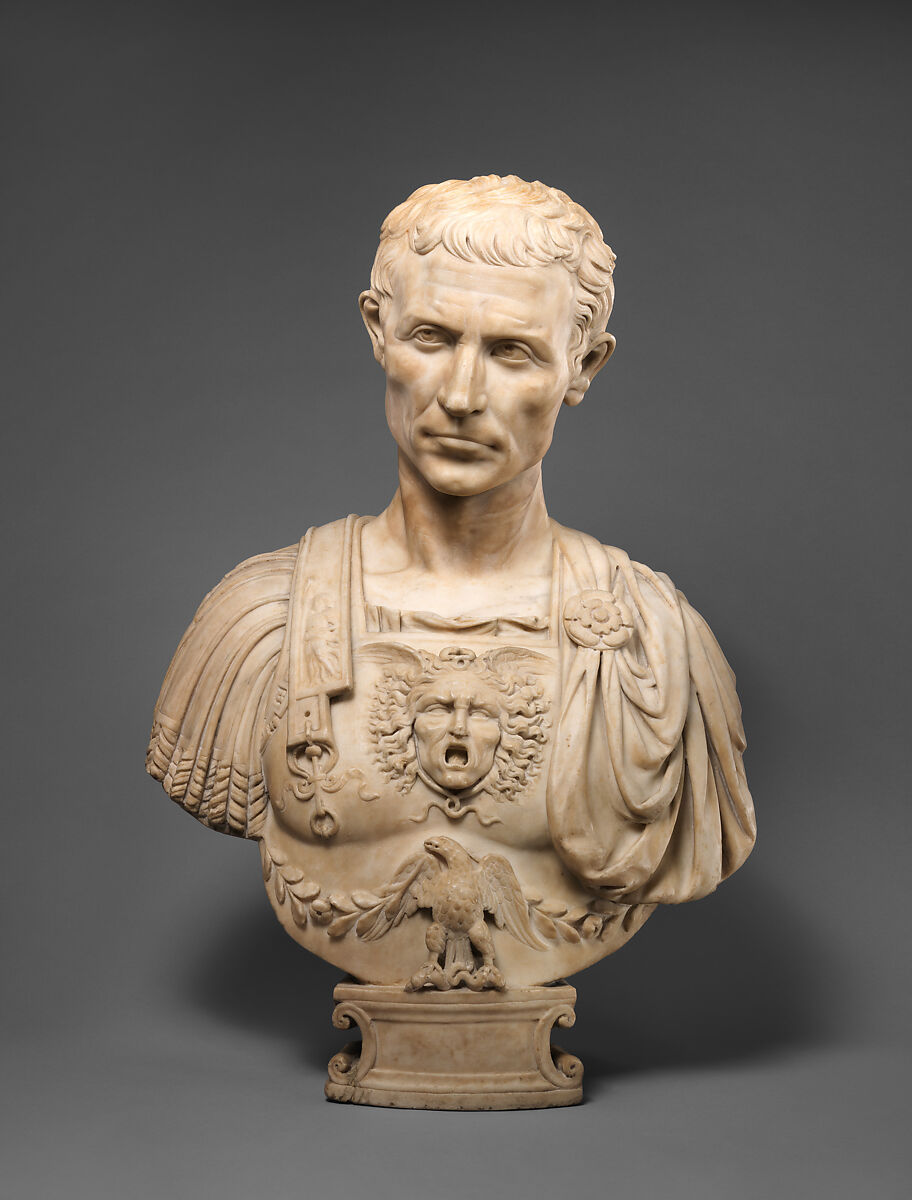
On March 15, 44 BCE, Julius Caesar entered a meeting of the Roman Senate and never returned. A group of senators killed the man who had recently become dictator for life. They claimed to be rescuing the Republic from domination by one ruler. Instead, the assassination opened another struggle for power and helped clear the path toward imperial monarchy.
Caesar’s death is famous, but it can obscure the long career that made it possible. He was a gifted commander, an ambitious politician, an effective writer, and a ruthless conqueror. Understanding him means holding those qualities together rather than choosing between a heroic reformer and a simple villain.
An Aristocrat in a Dangerous Republic
Gaius Julius Caesar was born in 100 BCE into the patrician Julian family. His father, also Gaius Julius Caesar, held public office, and his mother was Aurelia. The family possessed an ancient name, but Caesar still needed money, alliances, and achievement to compete with Rome’s leading political figures.
His youth unfolded amid civil conflict. His aunt Julia had married the general Gaius Marius, and Caesar married Cornelia, daughter of Marius’s ally Cinna. These connections became dangerous when their opponent Sulla took control.
Ancient biographies describe Caesar refusing Sulla’s demand that he divorce Cornelia. He lost privileges and property and had to seek protection. The episode illustrates a recurring feature of his career: family relationships were not separate from politics. They could open opportunities or threaten survival.
Winning Attention, Votes, and Allies
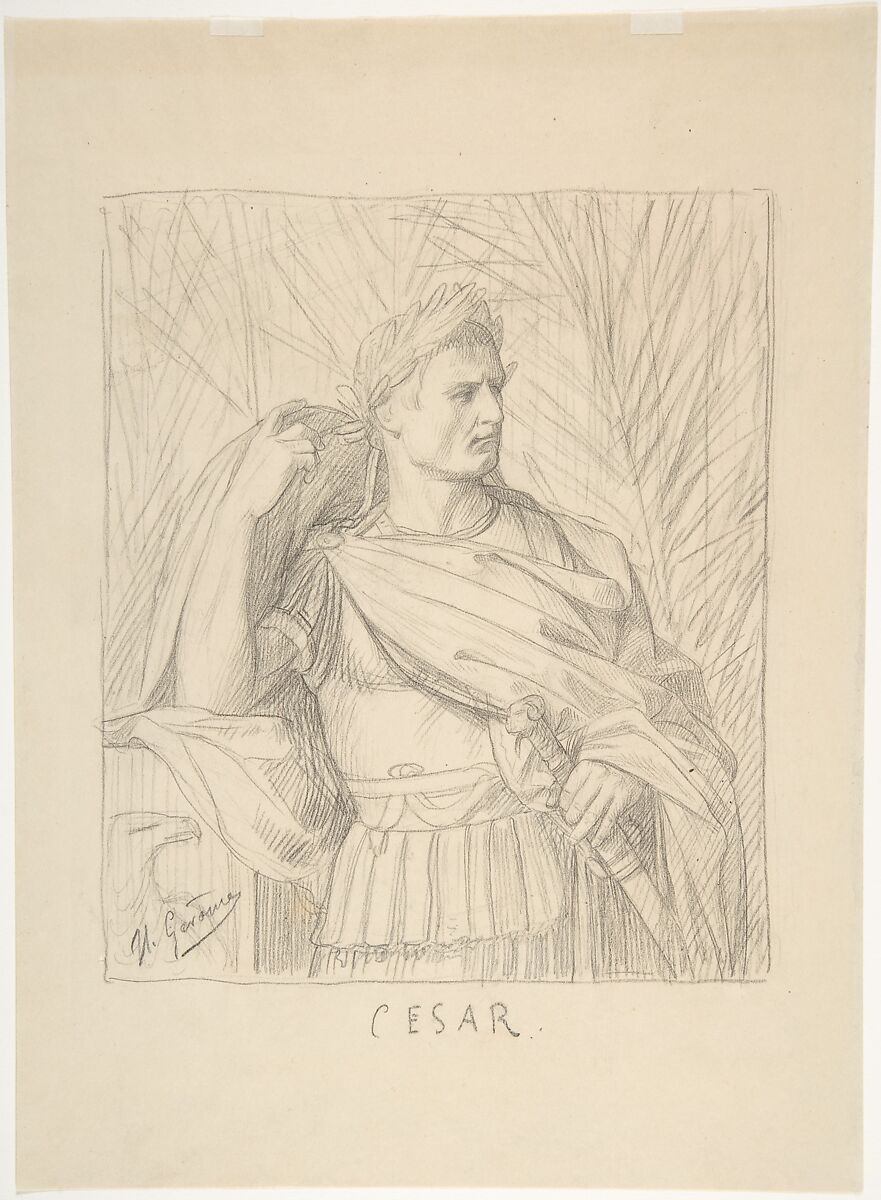
Caesar built his career through military service, legal advocacy, public office, and conspicuous generosity. The familiar story of pirates capturing him and later suffering his revenge comes from ancient biographers. Its theatrical details deserve caution, even though the kidnapping itself belongs to the established ancient tradition.
At Rome, expensive public entertainments helped increase his popularity while adding to his debts. He became pontifex maximus, Rome’s chief priest, in 63 BCE. That election gave him prestige beyond the ordinary sequence of magistracies.
His personal life also changed. Cornelia died, and he later married Pompeia, whom he divorced after a religious scandal involving another man’s intrusion into a women-only ceremony. He subsequently married Calpurnia. His daughter Julia, born to Cornelia, married Pompey in 59 BCE, strengthening a crucial political partnership.
The Alliance That Changed Roman Politics
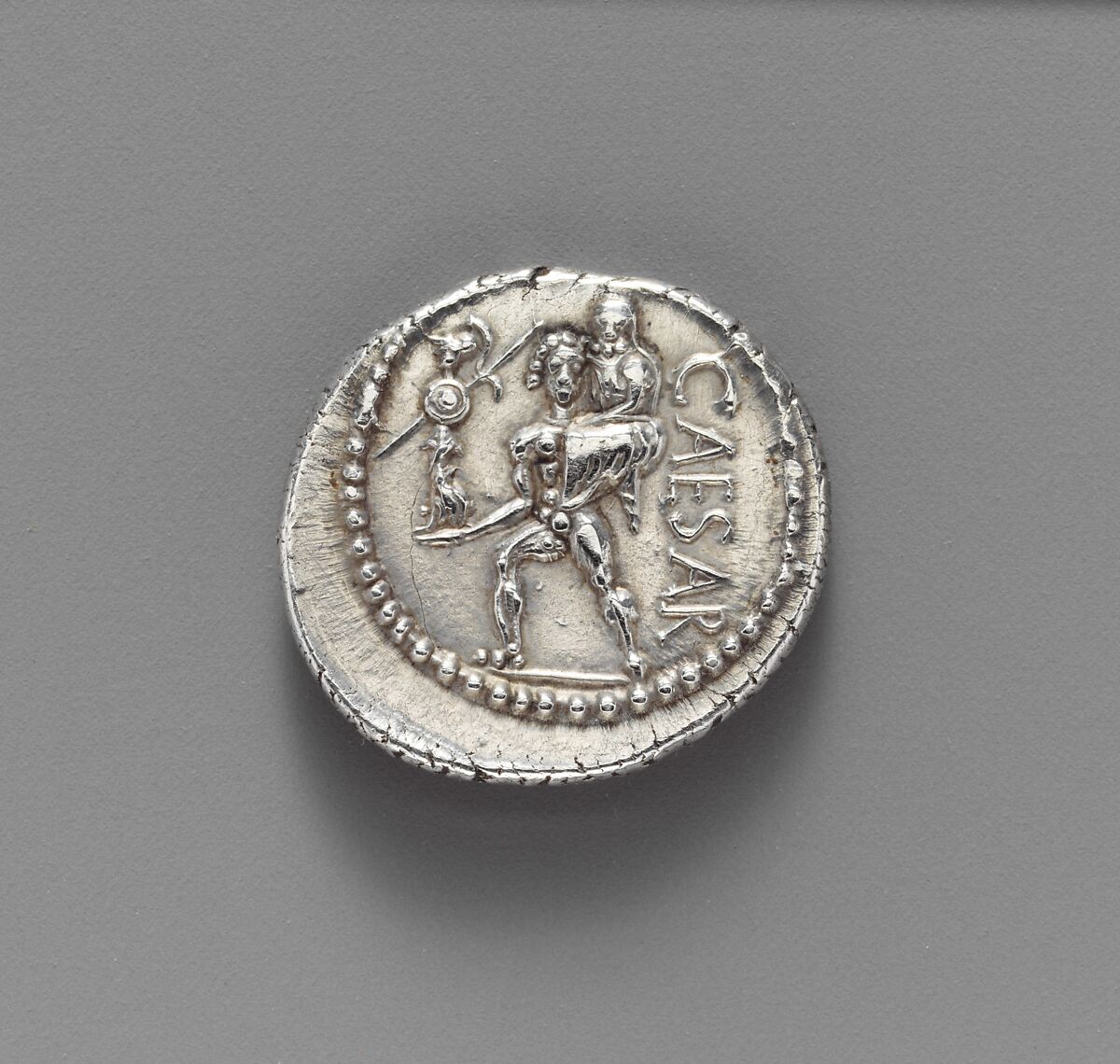
Around 60 BCE, Caesar formed an informal alliance with Pompey and Marcus Licinius Crassus. Historians commonly call it the First Triumvirate, but it was not a formally established three-man government.
Each participant brought something the others wanted. Pompey possessed military prestige and veterans seeking settlement. Crassus brought extraordinary wealth and connections. Caesar brought political energy and, as consul in 59 BCE, the opportunity to advance their interests through legislation.
The partnership worked by overcoming resistance from other senators, often through aggressive and divisive methods. It revealed how personal bargains between powerful men could overwhelm the Republic’s institutions without formally abolishing them.
After his consulship, Caesar received provincial commands that became the platform for his conquest of Gaul. The resulting wars transformed both his resources and his relationship with Rome.
Conquering Gaul and Writing the Story
Beginning in 58 BCE, Caesar campaigned across Gaul, broadly encompassing modern France and neighboring regions. He defeated coalitions, intervened in rivalries, crossed the Rhine, and led expeditions to Britain in 55 and 54 BCE. Those British expeditions did not establish a permanent Roman occupation.
In 52 BCE, Vercingetorix organized a major revolt. After setbacks, Caesar trapped him at Alesia. Roman forces built siege works against the defenders and additional defenses facing an approaching relief army. Caesar’s victory broke the central resistance, although fighting continued afterward.
The conquest brought enormous suffering. Communities were destroyed, people were killed, and captives were enslaved. Ancient totals are often uncertain or exaggerated, so sweeping numerical claims should be treated carefully. The violence itself is not in doubt.
Caesar’s own account, the Commentaries on the Gallic War, remains indispensable. It is also self-interested. Its controlled narrative regularly presents Roman action as necessary and Caesar as decisive. The general was not merely making history. He was helping determine how readers would understand it.
Crossing the Rubicon
The alliance at Rome weakened. Julia died in 54 BCE, removing a personal connection between Caesar and Pompey. Crassus died the following year during his disastrous eastern campaign. Pompey increasingly aligned with Caesar’s opponents.
As Caesar’s command approached its end, arguments over office, military authority, and possible prosecution became harder to resolve. In January 49 BCE, he crossed the Rubicon with troops, bringing an army into Italy in defiance of the political settlement demanded by his opponents.
Later writers supplied memorable speeches and omens. The secure historical point is simpler: Caesar chose armed conflict rather than surrender his position on his enemies’ terms.
Pompey withdrew from Italy. After campaigning in Spain, Caesar fought him in Greece and won at Pharsalus in 48 BCE. Pompey fled to Egypt, where he was murdered before Caesar arrived.
Egypt, Cleopatra, and the Final Campaigns
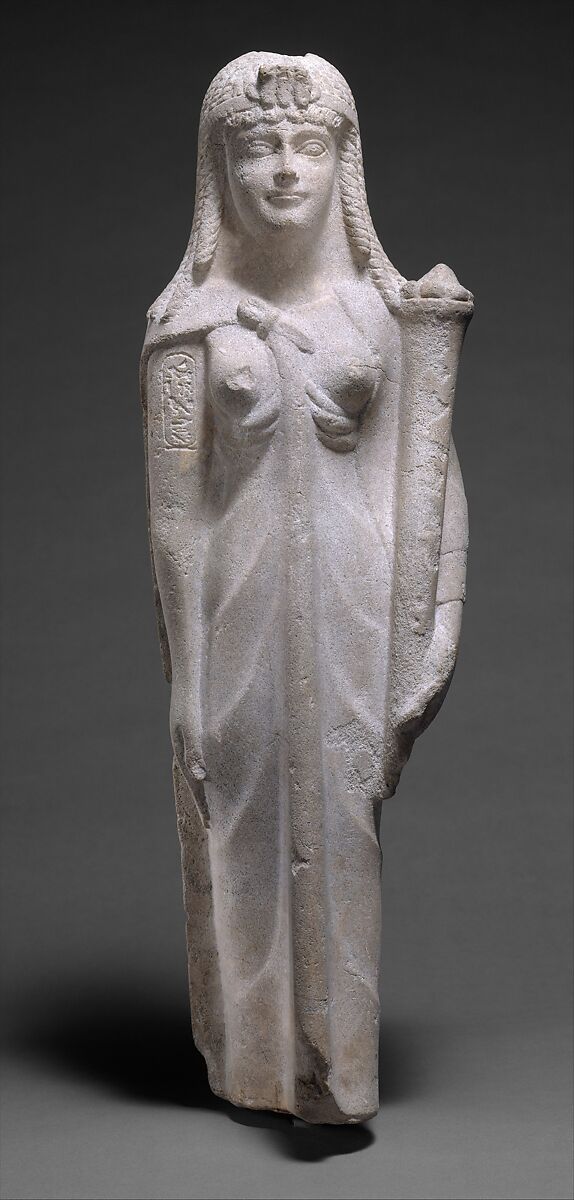
In Egypt, Caesar became involved in the struggle between Cleopatra VII and Ptolemy XIII. His intervention helped restore Cleopatra to power. Their relationship combined political cooperation and personal intimacy.
Cleopatra later identified Caesar as the father of her son Caesarion. Ancient testimony disagrees about the claim, and paternity cannot be established with certainty. Caesar did not make Caesarion his Roman heir.
Further campaigns took Caesar to the eastern Mediterranean, North Africa, and Spain. Victory at Munda in 45 BCE defeated the last major military resistance from Pompey’s faction. His military supremacy was now clear. The question was what kind of political order would follow.
Reform Under a Dictator
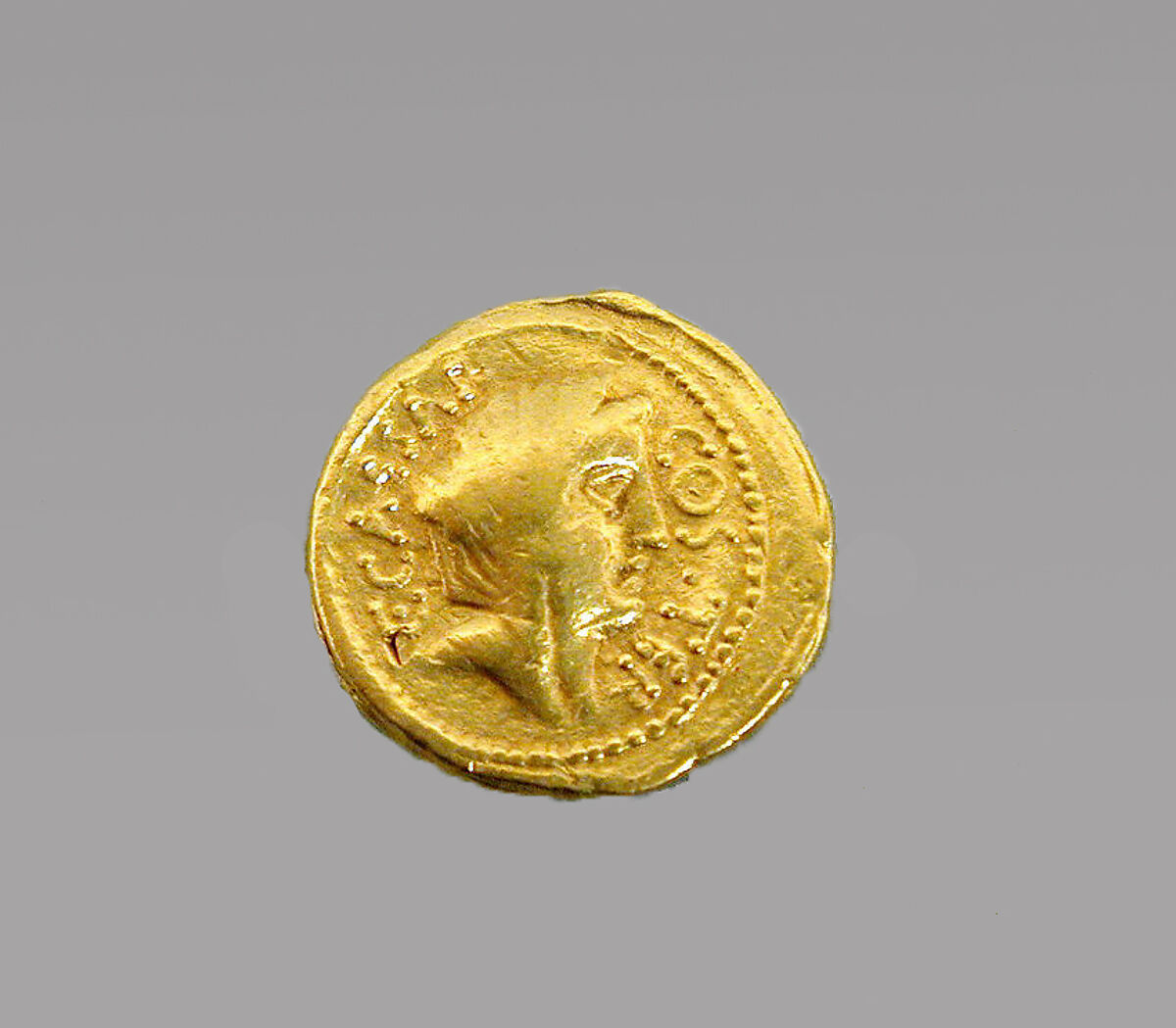
Caesar used his authority to reorganize aspects of Roman government and society. He supported colonies for veterans and other settlers, expanded the Senate, and revised the administration of the grain distribution. These measures addressed real problems while also strengthening his own networks.
His most durable reform concerned time. The Julian calendar introduced a solar framework with a regular leap-year principle, taking effect in 45 BCE. Later corrections were necessary, but its influence endured for centuries.
The dictatorship itself had Republican precedents as an emergency office. Caesar’s repeated appointments and eventual lifetime tenure made his position fundamentally different from a short-term response to crisis. Honors, privileged status, and his control over appointments deepened fears that monarchy had arrived without the name.
The Ides of March and an Unfinished Revolution
The conspirators included Marcus Junius Brutus and Gaius Cassius Longinus, but their motives were not identical. Concern for Republican liberty mixed with resentment, rivalry, and anxieties about exclusion from meaningful power.
They attacked Caesar at a Senate meeting in Pompey’s theater complex. Ancient accounts describe a confused, collective assault. The famous words “Et tu, Brute?” belong to the theatrical tradition, not a verified record of his final speech.
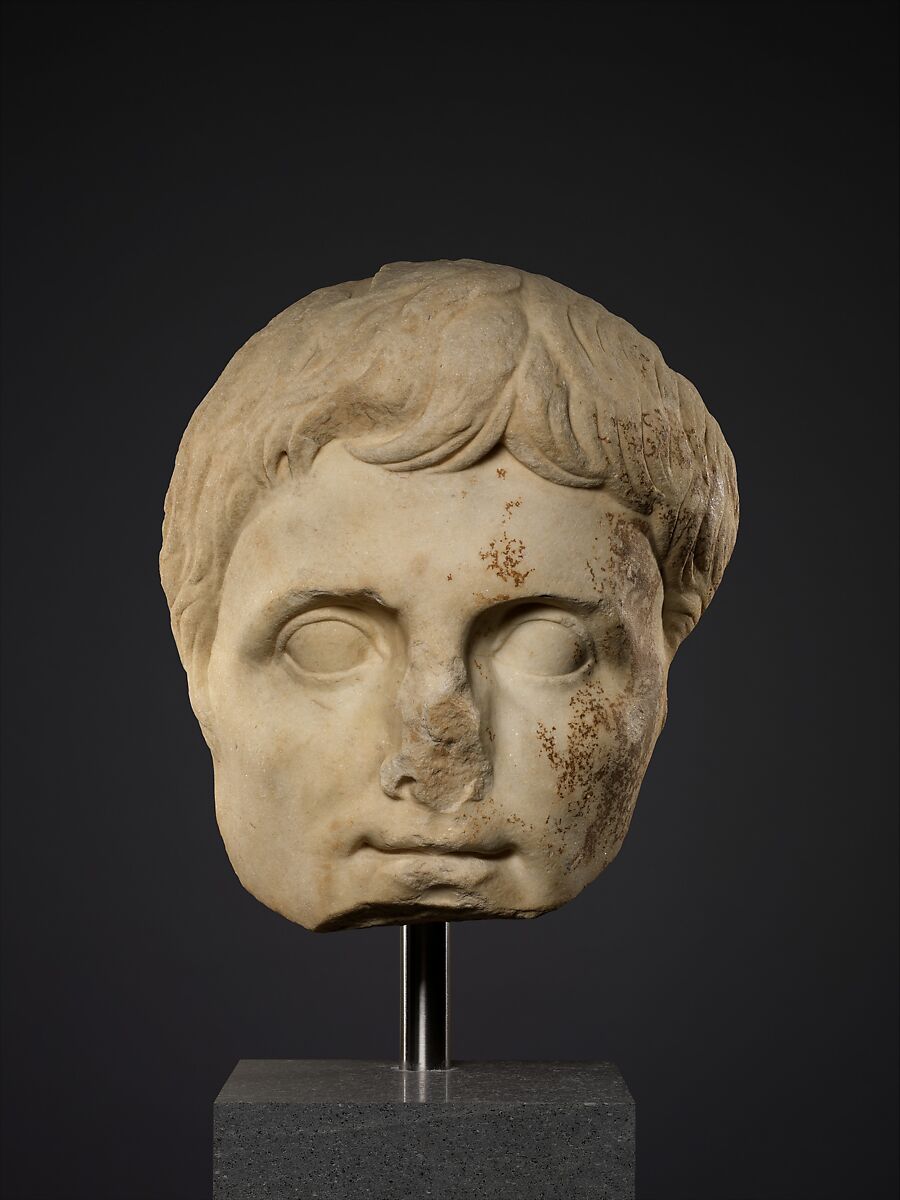
His will adopted his great-nephew Octavian and made him the principal heir. Octavian eventually defeated competing Roman leaders and became Augustus, conventionally regarded as Rome’s first emperor.
Caesar himself was not that first emperor. He was the dictator whose victories and concentration of power helped make the old political order unworkable. His assassins removed the man, but they could not recreate the Republic that had existed before him.
Get Your Images Done Too
If you want your photos bringing back to life, send me a message on any of my social media accounts.
Follow me across social media for historical photo restorations, AI colorizations, and videos bringing the past to life!