Annette Kellerman: The Australian Mermaid Beyond the Swimsuit Myth
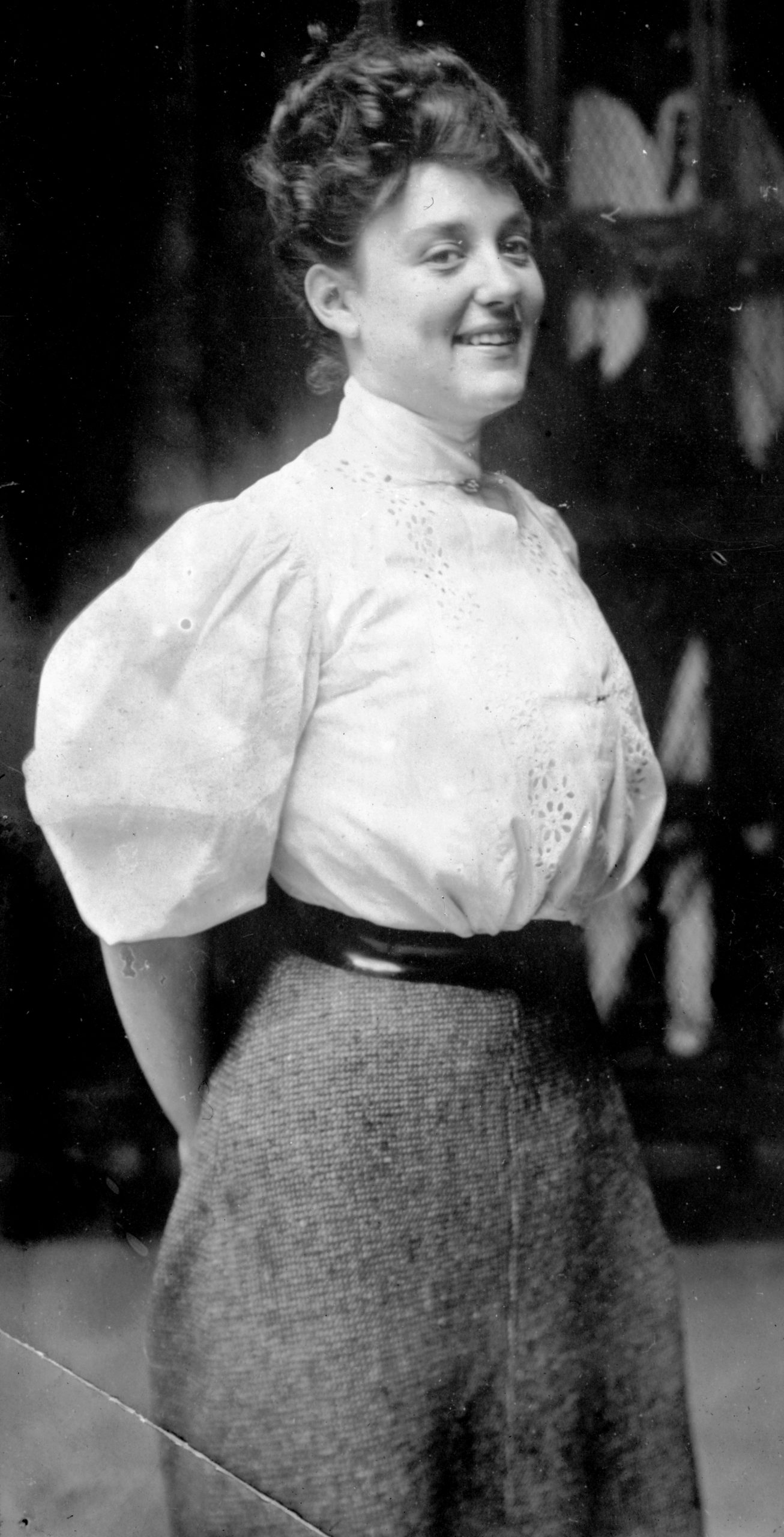
Featured photograph: Annette Kellerman in 1907. Bain News Service, Library of Congress. Public domain. Source and rights.
Annette Kellerman made swimming into theater. She could race, dive, dance underwater and hold an audience without speaking a word. In photographs, she looks like a woman determined to take up space in a world that still argued about how much of a woman’s body could be seen at the beach.
Her story is often reduced to a scandalous swimsuit. The fuller picture is stranger and more interesting: a child who wore leg braces became an endurance swimmer, a vaudeville headliner, a silent-film star and a promoter of women’s exercise. Even one of the most famous stories told about her needs a closer look.
From leg braces to competitive swimming
Born in Sydney on July 6, 1886, Annette Marie Sarah Kellermann grew up in a musical family. Her father was a violinist and her mother a pianist and teacher. Weakness in her legs required braces. Swimming began as a way to strengthen them, not as a plan for international fame.
By adolescence, the pool had become a place where she could compete rather than be treated as fragile. In 1902 she won the New South Wales women’s 100-yard and mile championships. She also performed diving exhibitions. The Australian Dictionary of Biography traces that early progression from rehabilitation to competitive skill.
That background matters when looking at her publicity photographs. The poised performer was not simply modeling a costume. Her authority came from knowing what a body could do in water, and from the repeated practice required to make difficult movements look easy.
The Channel did not surrender
In 1905 Kellerman traveled to England with her father. Long-distance swims helped attract attention when paid engagements were uncertain. She attempted to cross the English Channel three times without completing a crossing. The attempts were feats of endurance, but they were not successful Channel swims. Confusing the two gives her an accomplishment she did not claim.
The National Portrait Gallery’s account of her career describes how she moved beyond endurance events into an unusually varied stage act. Her repertoire could combine singing, dancing, wire-walking, diving and underwater ballet. Water was her specialty, not the limit of her abilities.
This was a practical change in career as well as an artistic one. A race ended with a result. A theatrical act could be refined, advertised and repeated in different cities. Kellerman learned how to turn an athletic skill into a performance that audiences would pay to see again.
What really happened with the swimsuit?
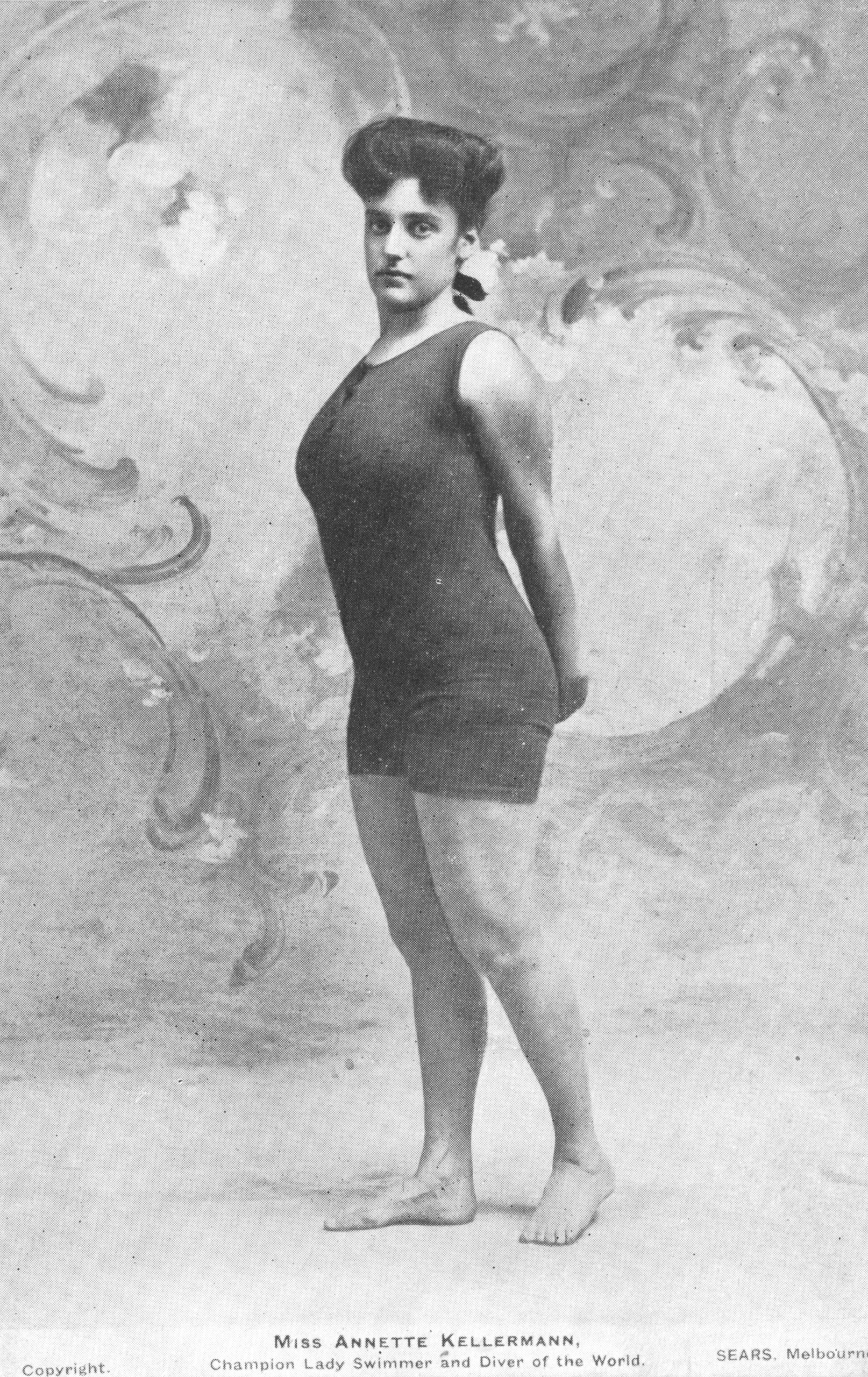
Kellerman helped popularize fitted one-piece swimwear when women were commonly expected to wear much heavier, more restrictive bathing clothes. The issue was not only fashion. Loose fabric created resistance in water. Clothing that satisfied standards of modesty on land could be awkward equipment for a serious swimmer.
The familiar version of her story says police arrested her on a Boston beach in 1907. Older biographies repeat it as fact. However, Australia’s National Film and Sound Archive says that the Revere Beach arrest story is unsupported by evidence. It should be treated as an unverified story, not the single documented moment when swimwear changed.
The documented commercial legacy is interesting enough. By 1911 an “Annette Kellerman suit” meant a recognizable fitted style. She later attached her name to a swimsuit range. Her influence came through performance, publicity and products over time, rather than a simple tale in which one courtroom appearance transformed every beach.
A mermaid who also wore a tuxedo
The “Australian Mermaid” label suited underwater spectacle, but it did not describe everything Kellerman performed. The NFSA’s biography records her male stage character, The English Johnny, complete with tuxedo and monocle. The same entertainer celebrated for feminine beauty could also play with the costume and mannerisms of a fashionable man.
Film offered another setting for her movement. Her screen career began in 1909. Neptune’s Daughter, released in 1914, became a major success. A Daughter of the Gods followed in 1916. These productions gave an aquatic performer room for elaborate fantasy, physical action and stunts beyond the confines of a stage tank.
The films and publicity also show a tension in her fame. Audiences admired her strength, but promoters repeatedly presented her as an ideal body. Calling someone “perfect” sounds complimentary. It can also hide the work, decisions and business sense behind the image. Kellerman was an active performer, not a decorative object waiting to be photographed.
Selling movement, not just a photograph
Kellerman used her visibility to encourage women to exercise. She wrote How to Swim and other books, lectured and worked in the health-food business. Victoria’s biographical profile also records her children’s book Fairy Tales of the South Seas, published in 1926. Her interests were broader than the water acts that made her famous.
In 1952 Esther Williams portrayed her in Million Dollar Mermaid. Like any dramatized biography, that film is evidence of how Kellerman was remembered, not a substitute for checking the events of her life. She returned permanently to Australia late in life and died on November 6, 1975, aged 89.
Looking again at Annette Kellerman
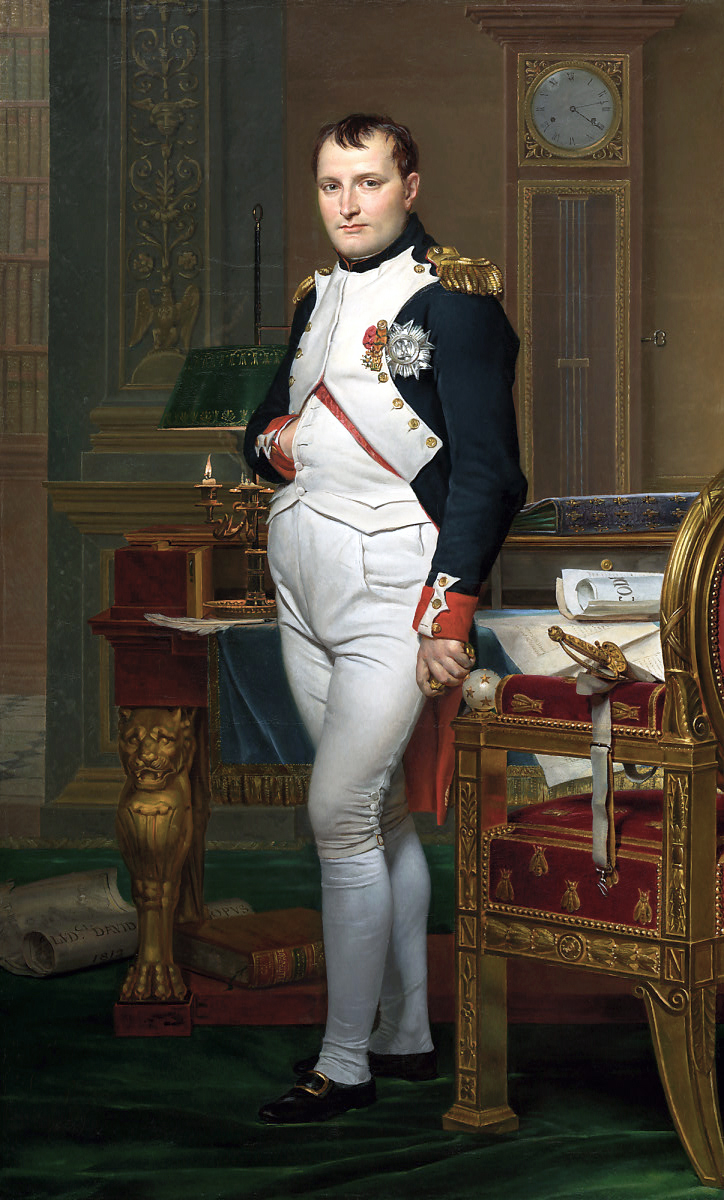
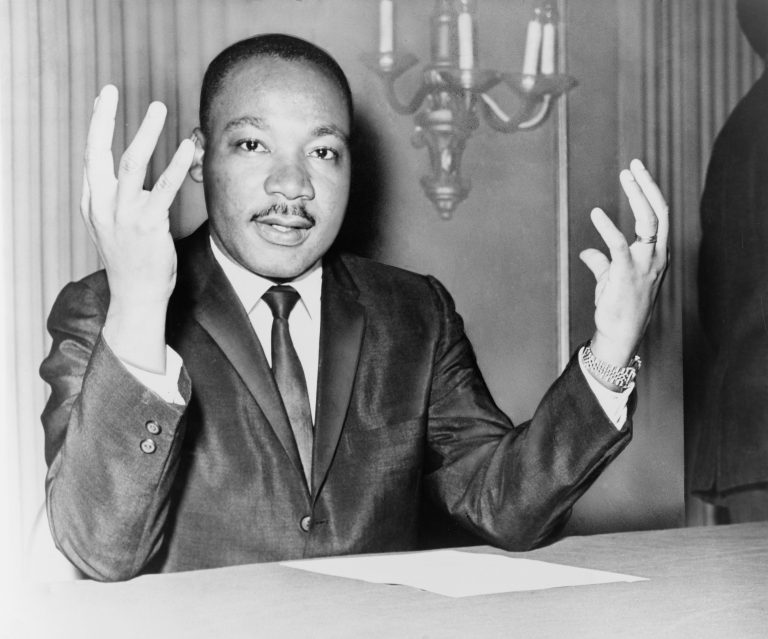
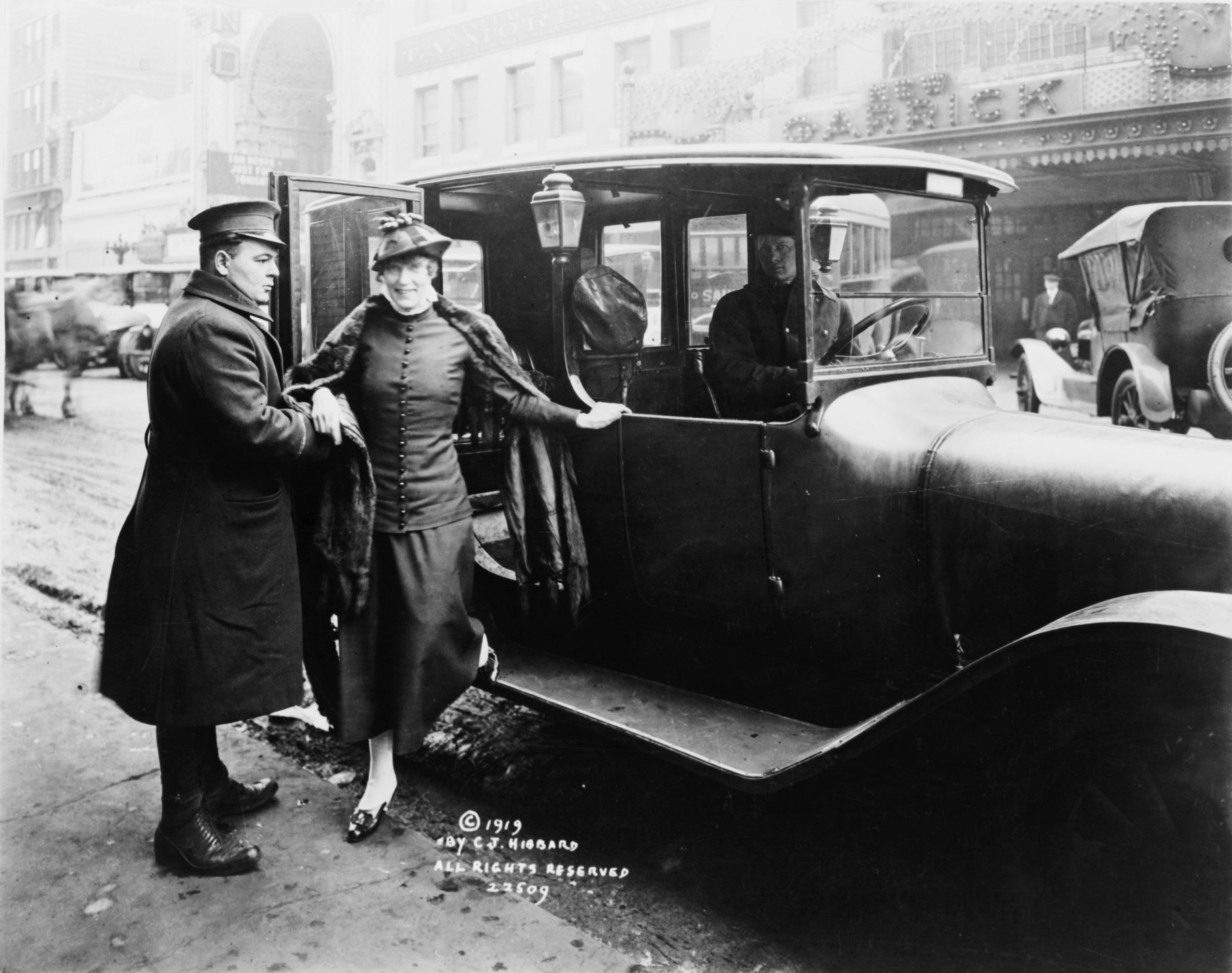
The photographs here show different versions of the same public figure: a young woman in ordinary clothes, an athlete in swimwear and a touring celebrity beside a taxi. None tells the whole story alone. Together, they make it harder to reduce her to one costume or one disputed arrest.
Kellerman’s unusual career crossed categories that are often kept separate. Competition led to entertainment. Entertainment opened a market for exercise advice and clothing. A woman praised for looking like a mermaid built a working life from very human qualities: practice, adaptability and an ability to command attention.
Explore more people behind historic photographs in our history articles.
Get Your Images Done Too
If you want your photos bringing back to life, send me a message on any of my social media accounts.
Follow me across social media for historical photo restorations, AI colorizations, and videos bringing the past to life!