The First Five US Presidents: Washington to Monroe
US Presidents, Part 1: Presidents 1–5, 1789–1825
The first five US presidents inherited something no one had tried before: the presidency itself. George Washington had to give the office a shape. John Adams had to prove that someone else could hold it. Thomas Jefferson, James Madison and James Monroe then watched the young republic grow, fight another war with Britain and argue over the meaning of its own promises.
These men are often introduced as faces on banknotes or names in a schoolbook. Their lives were more complicated. They were soldiers, lawyers, diplomats, rivals and friends. They built institutions that endured, while leaving profound injustices in place.
The first five presidents at a glance
- 1. George Washington: 1789–1797
- 2. John Adams: 1797–1801
- 3. Thomas Jefferson: 1801–1809
- 4. James Madison: 1809–1817
- 5. James Monroe: 1817–1825
These are the presidents under the United States Constitution. Earlier presidents of the Continental Congress held a different office. Presidential dates are checked against the Smithsonian’s presidential list.
A note on parties: Washington remained unaffiliated. Adams was a Federalist; Jefferson, Madison and Monroe belonged to the Democratic-Republican tradition, also called Jeffersonian Republicans. That early party was not today’s Republican Party. The Senate explains how the first parties emerged.
1. George Washington: Giving the presidency its shape
President: 1789–1797
Party: Unaffiliated (no political party)
- Major accomplishments: Established presidential precedents and a voluntary transfer of power.
- Challenges and controversies: Governing a new republic while preserving slavery and facing political division.
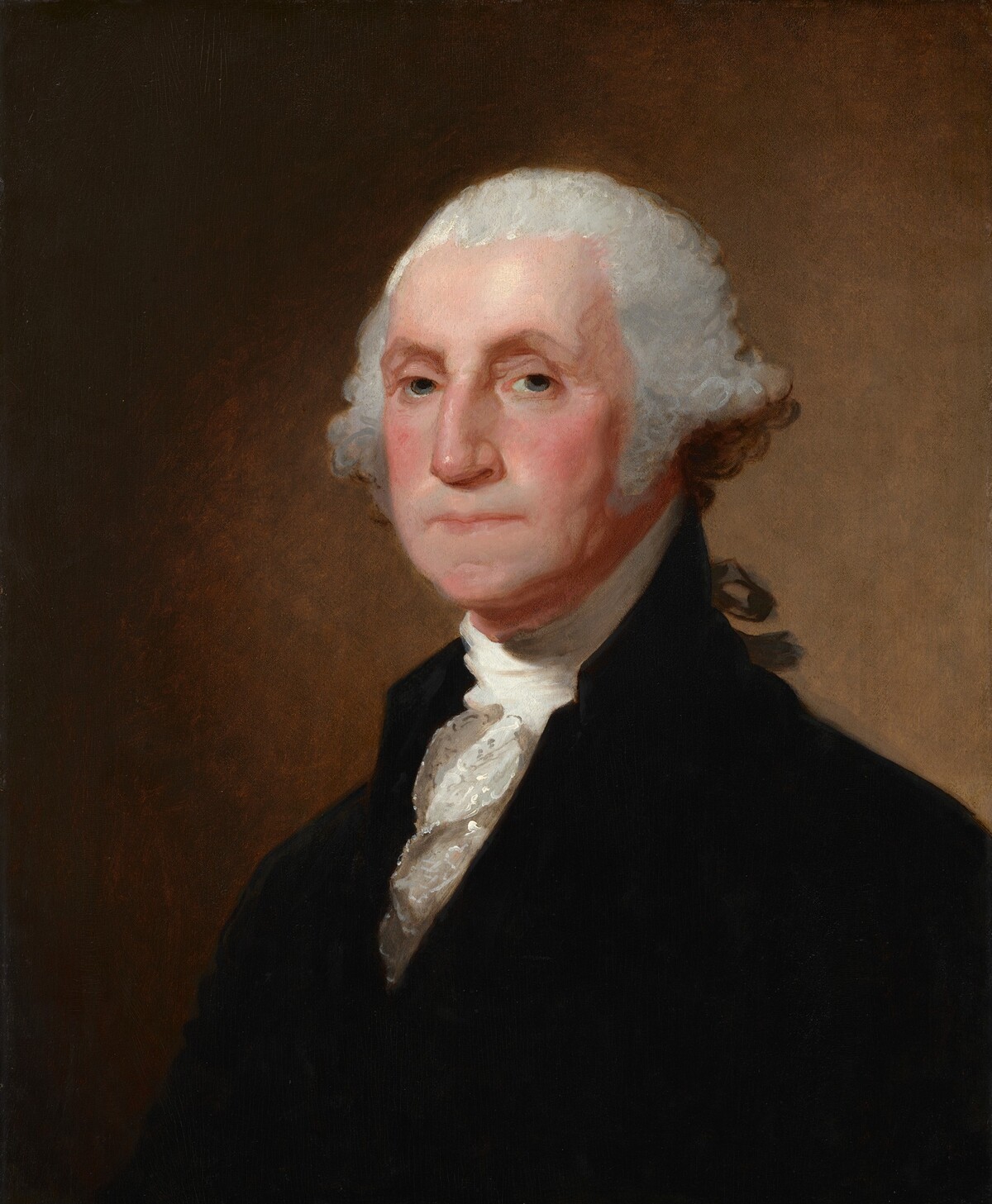
On April 30, 1789, George Washington took the presidential oath at Federal Hall in New York City. The former commander of the Continental Army was now entering a role with enormous expectations and few practical precedents. His first inaugural address acknowledged his anxiety about the responsibility. The surviving manuscript offers a glimpse of a man facing an uncertain future, rather than a marble figure who already knew how the story would end. Read Washington’s address at the National Archives.
Washington’s early working life had included surveying. Later, his marriage to Martha Custis and the management of Mount Vernon placed him firmly within Virginia’s wealthy plantation society. The Revolution transformed him into a national figure, but victory on a battlefield did not provide a ready-made system for running a government. As president, he helped establish the executive branch’s working arrangements and administrative habits. Mount Vernon’s biography follows that transition.
One of his most influential decisions was to leave. After two terms, Washington retired rather than seek another election. No constitutional two-term limit then required him to do so. His departure created a powerful example of a president giving up office voluntarily. Mount Vernon explains the Farewell Address.
His legacy also includes slavery. Washington enslaved people and signed the Fugitive Slave Law of 1793. Although he expressed private objections to slavery, he did not make abolition a presidential cause. Remembering the republic he helped establish requires remembering those excluded from its freedom. Slavery and Washington’s presidency.
2. John Adams: Independence, argument and an uncomfortable presidency
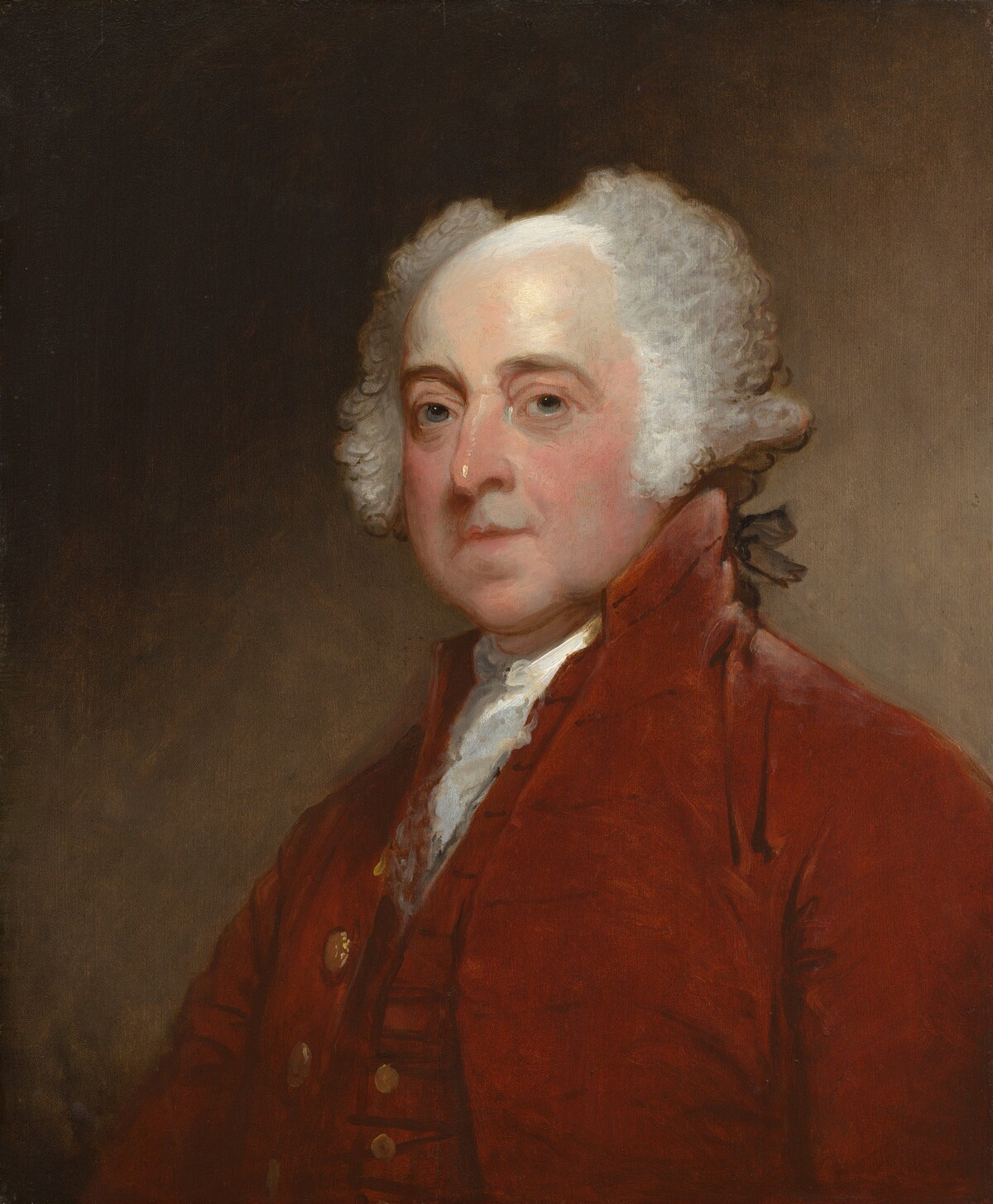
President: 1797–1801
Party: Federalist
- Major accomplishments: Helped sustain the new government through international tension and an electoral transfer of power.
- Challenges and controversies: The Alien and Sedition Acts damaged civil liberties and his reputation.
John Adams reached the presidency after a long apprenticeship in public service. A Massachusetts lawyer, he became a leading advocate of independence, served in the Continental Congress and worked as a diplomat before becoming Washington’s vice president. He had spent years helping make a country; now he had to govern it in Washington’s shadow. The congressional biography of Adams traces his career.
His presidency was dominated by tension with France and fierce disagreements at home. In 1798, Adams signed the Alien and Sedition Acts. These laws tightened restrictions on immigrants, and the Sedition Act criminalized certain attacks on the federal government. Opposition newspaper editors were prosecuted. A country founded in resistance to British authority was confronting an uncomfortable question: how far could its own government go to silence criticism? The National Archives holds the acts and their historical context.
There was a domestic first, too. In 1800, John and Abigail Adams became the first presidential couple to live in the building now known as the White House. Washington had selected its site, but never lived there. The National Park Service tells the building’s story.
Adams lost the election of 1800. When Jefferson succeeded him in 1801, power passed peacefully between opposing political parties. The rivalry was bitter, but the government survived the change. That precedent mattered as much as any ceremony. The University of Virginia’s Miller Center assesses Adams’s presidency.
3. Thomas Jefferson: A larger country and unresolved contradictions
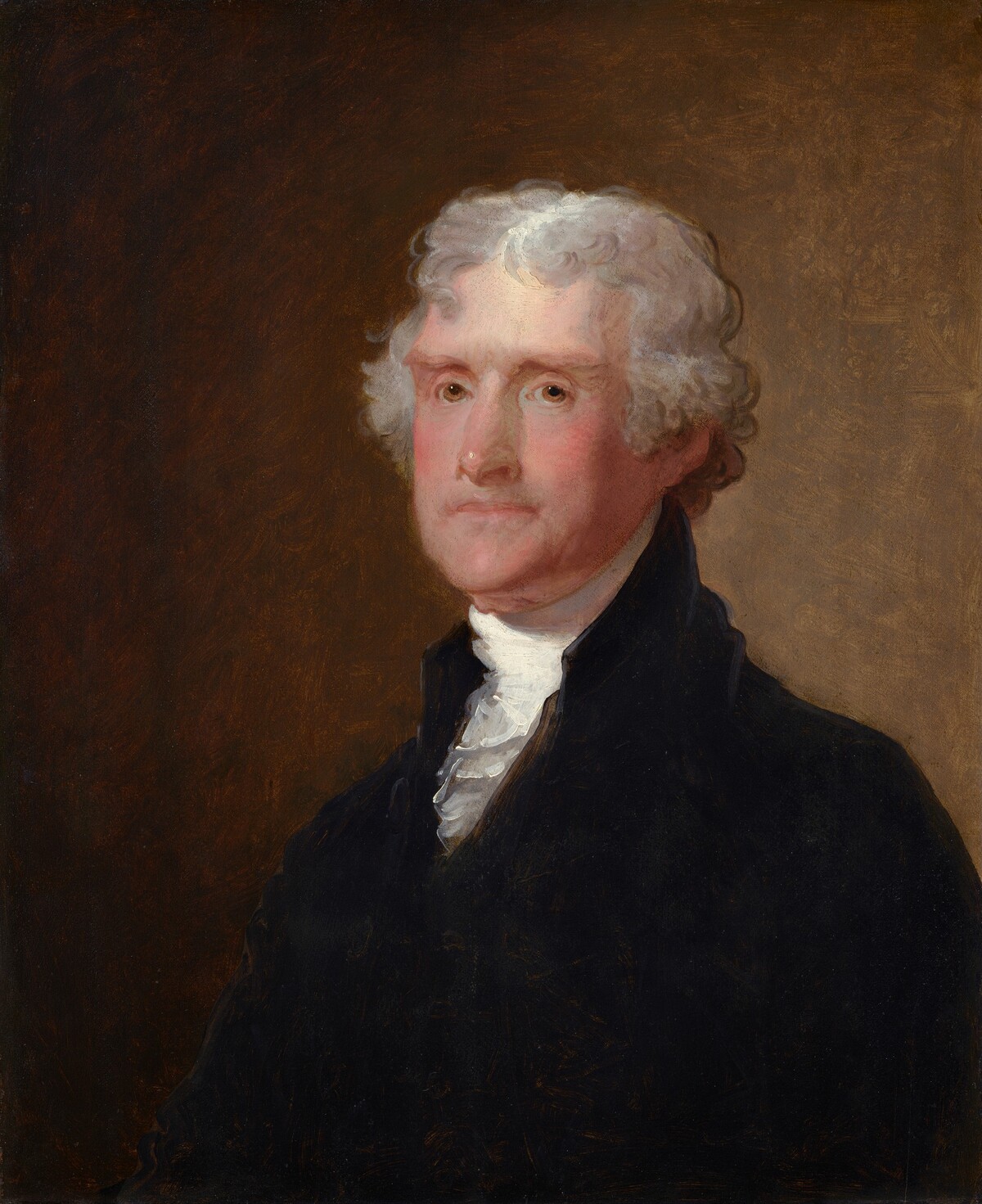
President: 1801–1809
Party: Democratic-Republican
- Major accomplishments: Completed the Louisiana Purchase and supported the Lewis and Clark expedition.
- Challenges and controversies: Expansion intensified disputes over Native land and slavery; his own slaveholding contradicted his ideals.
Thomas Jefferson had already been the principal drafter of the Declaration of Independence, a governor of Virginia, minister to France, secretary of state and vice president. His interests extended well beyond politics into architecture, science and education. Yet the presidency forced this man of ideas to make difficult practical choices. The State Department’s Jefferson biography outlines his public life.
The greatest territorial change came in 1803. For $15 million, the Louisiana Purchase transferred France’s claim to an immense territory west of the Mississippi to the United States, roughly doubling the country’s size. Jefferson had doubts about the constitutional authority to acquire it, but accepted the opportunity. The transaction did not make the land empty or erase the rights of the Native nations who lived there. American expansion brought further pressure on Indigenous communities and new disputes over slavery. Explore the Louisiana Purchase treaty.
Jefferson also sent the Lewis and Clark expedition west. Its journey became one of the best-known episodes of his presidency, linking scientific inquiry with national expansion. The National Park Service covers Jefferson’s presidential years.
The contradiction between Jefferson’s language of liberty and his own life cannot be set aside. He enslaved African Americans, including Sally Hemings, with whom he had children. Their unequal legal and social positions are essential to understanding that history. The author of a declaration of equality participated in a system that denied it. The National Portrait Gallery discusses Jefferson’s legacy.
4. James Madison: A constitutional thinker in wartime
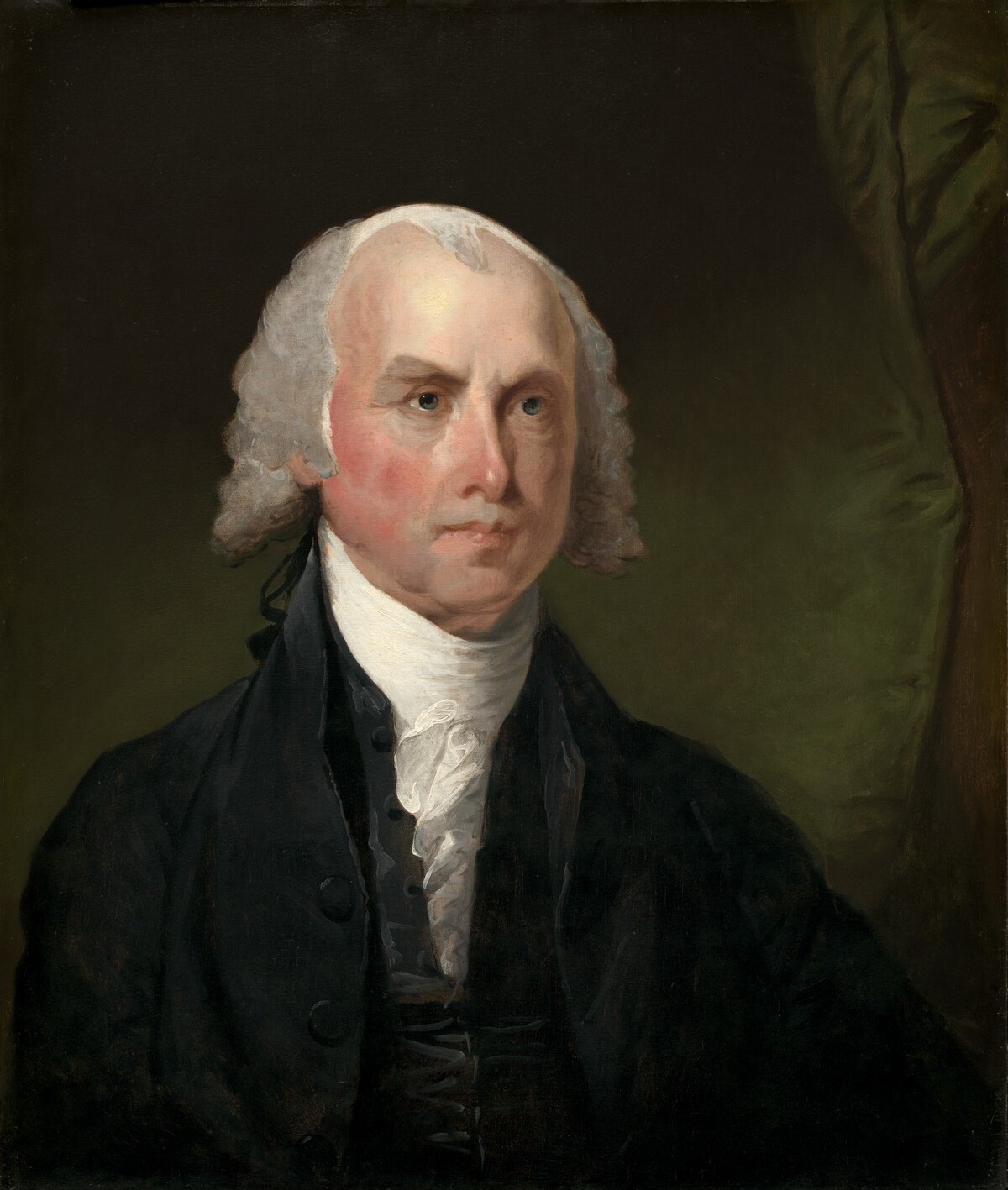
President: 1809–1817
Party: Democratic-Republican
- Major accomplishments: Preserved the republic through the War of 1812 and the return to peace.
- Challenges and controversies: Military setbacks and the burning of Washington exposed serious weaknesses.
James Madison is closely associated with the making of the Constitution, but his presidency tested the government he had helped design. Disputes with Britain over maritime commerce and British policy led him to seek a declaration of war in 1812. Early American invasions of Canada went badly. The conflict exposed the distance between national ambition and military preparedness. The Library of Congress’s Madison timeline follows the crisis.
On August 24, 1814, British forces burned the Capitol, the president’s house and other public buildings in Washington. The destruction brought the war to the heart of the national government. The Senate records the capital’s destruction.
Dolley Madison helped arrange the rescue of the White House’s portrait of George Washington before fleeing. It is a vivid episode, but the painting’s removal should not be imagined as a single-handed feat: her instructions and the work of those who carried it out together preserved it. The National Portrait Gallery recounts the rescue.
The Treaty of Ghent was signed on December 24, 1814, and peace followed ratification in 1815. It largely restored the prewar territorial position rather than awarding a dramatic American conquest. Madison finished his presidency with the republic intact, but the war’s destruction made clear how vulnerable it remained. Read about the Treaty of Ghent.
Madison’s commitment to constitutional government coexisted with slavery at his family’s Montpelier plantation. That contradiction belongs alongside the better-known account of his political achievements. The Miller Center examines presidents and slavery.
5. James Monroe: Confidence abroad, division at home
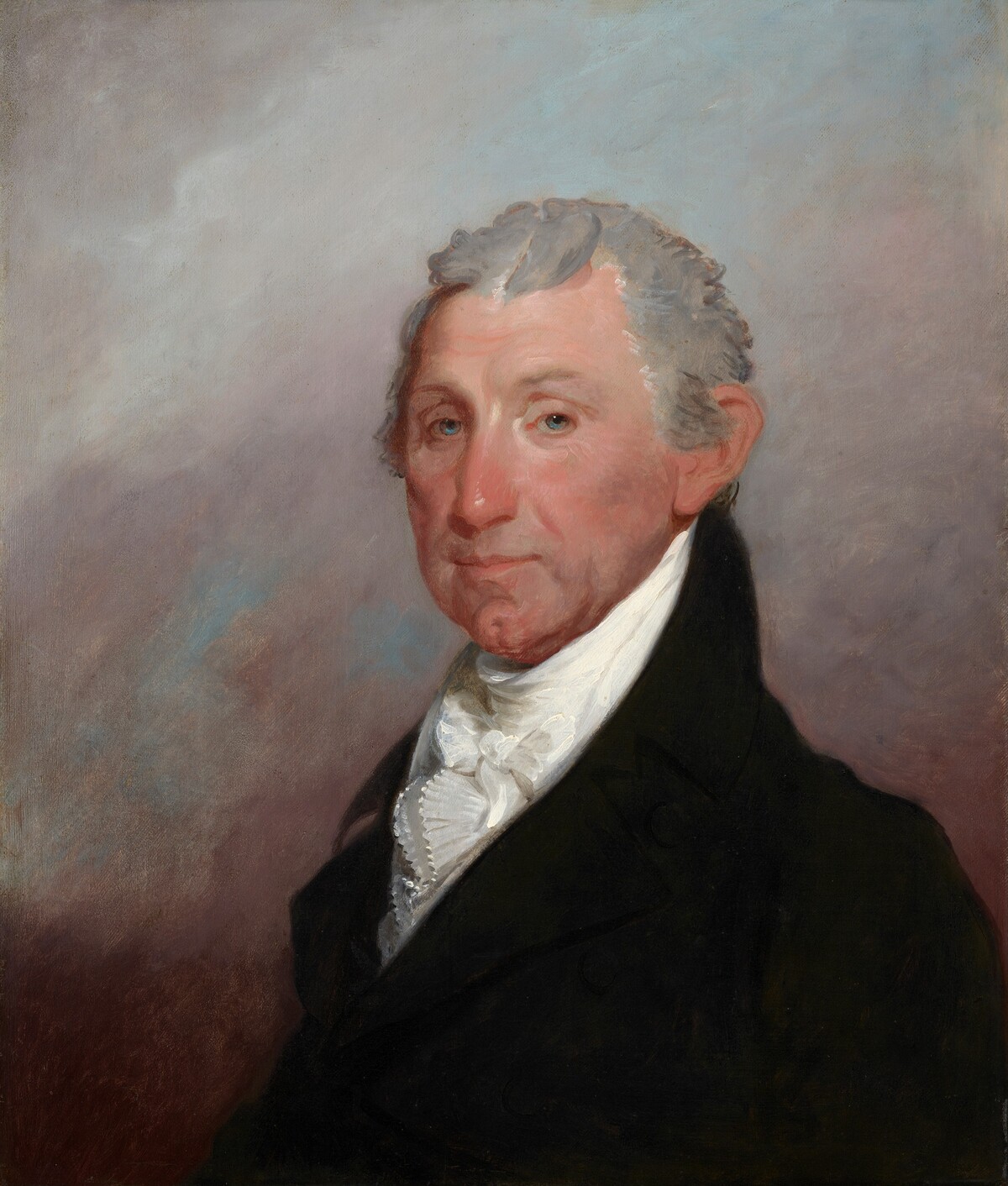
President: 1817–1825
Party: Democratic-Republican
- Major accomplishments: Articulated the Monroe Doctrine and oversaw an influential period of national diplomacy.
- Challenges and controversies: The Missouri Compromise postponed rather than resolved the conflict over slavery.
James Monroe’s route to the presidency passed through military service, diplomacy and cabinet office. He was one of the American negotiators involved in the Louisiana Purchase before becoming president himself. His administration is associated with the “Era of Good Feelings,” but the reassuring label conceals serious tensions. The Papers of James Monroe provides a chronology.
In 1820, the Missouri Compromise attempted to contain the growing argument over slavery’s expansion. It paired Maine’s admission as a free state with provision for Missouri’s admission as a slave state, and restricted slavery in much of the remaining Louisiana Purchase territory north of latitude 36°30′. Missouri entered the Union in 1821. The arrangement managed a political crisis without resolving the injustice at its center. The National Archives explains the compromise.
Monroe’s name became attached to a major foreign-policy statement in his annual message of December 2, 1823. The Monroe Doctrine opposed further European colonization in the Americas and warned against European intervention in the newly independent nations of the hemisphere. Later presidents would interpret and expand the policy in ways that went beyond its original circumstances. Read the Monroe Doctrine.
Monroe was also a slaveholder. Surviving correspondence from Highland shows enslaved people discussed both as human beings and as property. Those records make the limits of the period’s promised freedom painfully concrete. Highland explores slavery on Monroe’s estate.
Image note: These are authentic historical paintings, not photographs. The National Gallery of Art makes these images available as public-domain material under its CC0 Open Access Policy.
What the first five presidents left behind
By 1825, the presidency had survived its founder’s retirement, a change of political party and another war with Britain. The country had expanded dramatically. Yet the same decades strengthened conflicts over slavery, territory and whose rights the republic would protect.
Washington, Adams, Jefferson, Madison and Monroe helped establish the office that later presidents would inherit. Their story is most revealing when achievements and failures remain in view together.
Next in the series: John Quincy Adams, Andrew Jackson, Martin Van Buren, William Henry Harrison and John Tyler.
For another presidential life, read Abraham Lincoln: From His Early Life to His Death.
If you want your photos bringing back to life, send me a message on any of my social media accounts. Follow me across social media for historical photo restorations, AI colorizations, and videos bringing the past to life!
Instagram: https://www.instagram.com/bringing_history_to_life/
Facebook: https://www.facebook.com/bringinghistory2life | TikTok: https://www.tiktok.com/@bringing_history_to_life | YouTube: https://www.youtube.com/@bringing_history_to_life