US Presidents 6–10: John Quincy Adams to John Tyler
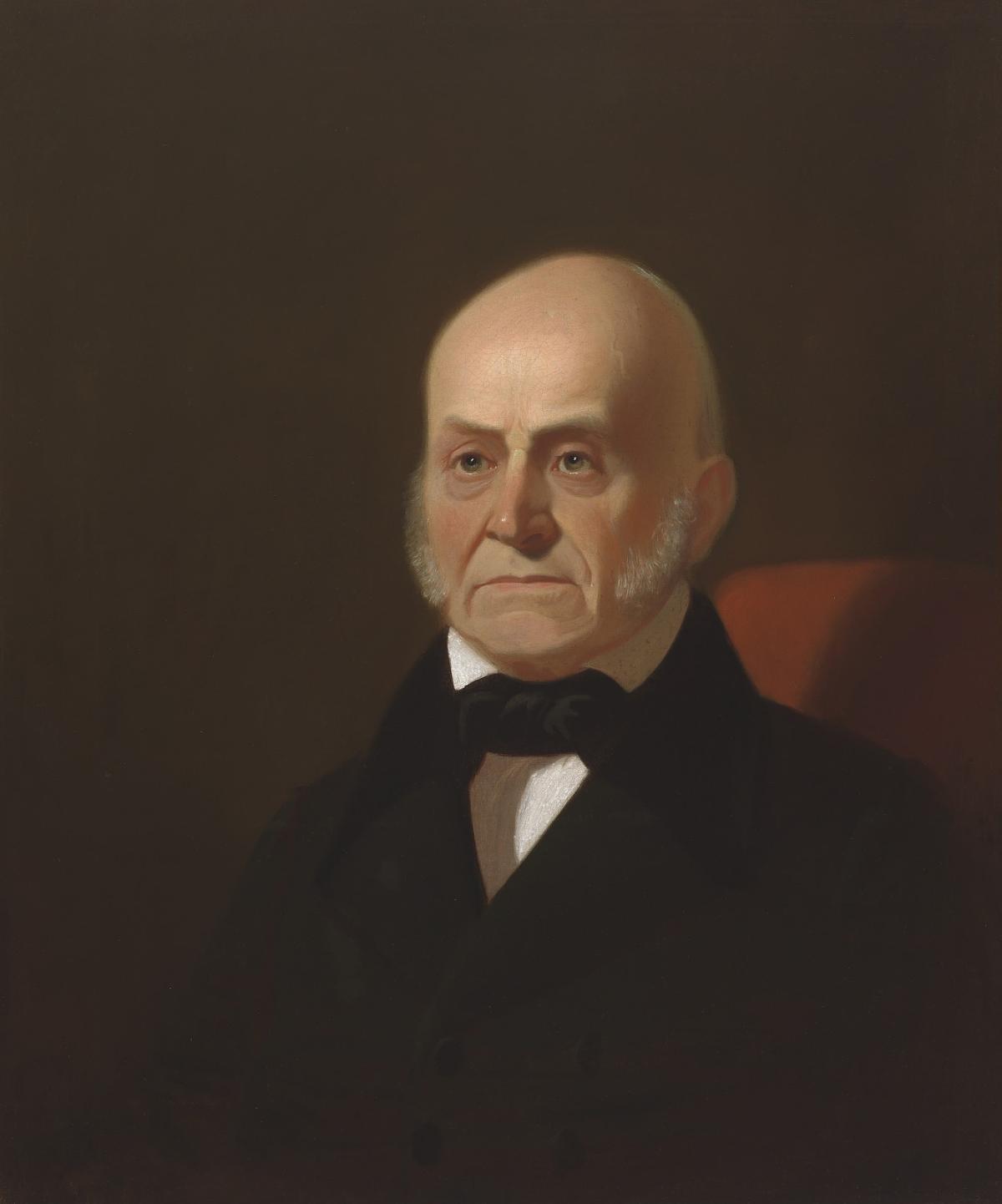
US presidents 6–10 led a country growing in size, ambition and political conflict. The period began with John Quincy Adams taking office in 1825 after an election decided by the House of Representatives. Before John Tyler left office in 1845, a banking crisis had wrecked livelihoods, and a president had died after just a month in office.
This second part of our presidential series follows five very different men. Their stories show how American politics became more fiercely organised, while arguments over slavery, Native American land and presidential power grew harder to contain.
US presidents 6–10 at a glance
- 6. John Quincy Adams, 1825–1829: Democratic-Republican; associated with the emerging National Republicans.
- 7. Andrew Jackson, 1829–1837: Democratic Party.
- 8. Martin Van Buren, 1837–1841: Democratic Party.
- 9. William Henry Harrison, March 4–April 4, 1841: Whig Party.
- 10. John Tyler, 1841–1845: Whig on entering office; unaffiliated after his expulsion from the party.
Party labels were changing during this period. The old Democratic-Republican coalition broke apart, Jackson’s supporters built the Democratic Party, and opponents increasingly gathered in the Whig Party. The National Republicans were not the modern Republican Party, which arose later. Presidential dates can be checked against the US House of Representatives’ historical list.
6. John Quincy Adams: a president with plans ahead of his political support
In office: 1825–1829
Party: Democratic-Republican, then associated with the National Republican movement
Achievements: Support for roads, canals and national development
Main difficulties: A disputed election, congressional opposition and a divisive tariff
John Quincy Adams entered the presidency with formidable experience, but without a clear electoral mandate. In 1824, no candidate won a majority of electoral votes. Andrew Jackson led the field, yet the Constitution placed the final choice in the House of Representatives.
The House selected Adams. When he then appointed Henry Clay as secretary of state, Jackson’s supporters alleged a “corrupt bargain”. Clay had supported Adams, but the accusation of an improper deal was never proved. It nevertheless damaged the new president from the start. The National Archives’ account of the 1824 election explains how the controversy arose.
What did John Quincy Adams achieve?
Adams wanted the federal government to help connect the country. Roads, canals, improved harbours, a national university and an astronomical observatory formed part of his ambitious programme. To him, government could encourage knowledge and prosperity as well as keep order.
Much of that vision met resistance. Nevertheless, his administration supported real transport improvements, including the westward extension of the Cumberland Road and work on canals. The distinction matters: his programme was restricted, not entirely fruitless. He also signed the highly contentious Tariff of 1828, whose protection for industry intensified southern anger. The Miller Center examines his domestic record.
After losing to Jackson in 1828, Adams began an extraordinary second political career in the House. There he fought the “gag rule” that blocked consideration of antislavery petitions, helping secure its repeal in 1844. That was an important achievement, but it came after his presidency, not during it. The House’s own history records that struggle.
7. Andrew Jackson: popular leadership and devastating exclusion
In office: 1829–1837
Party: Democratic
Achievements: A powerful political movement and defence of the Union during the nullification crisis
Main controversies: Indian removal, slavery and the Bank War
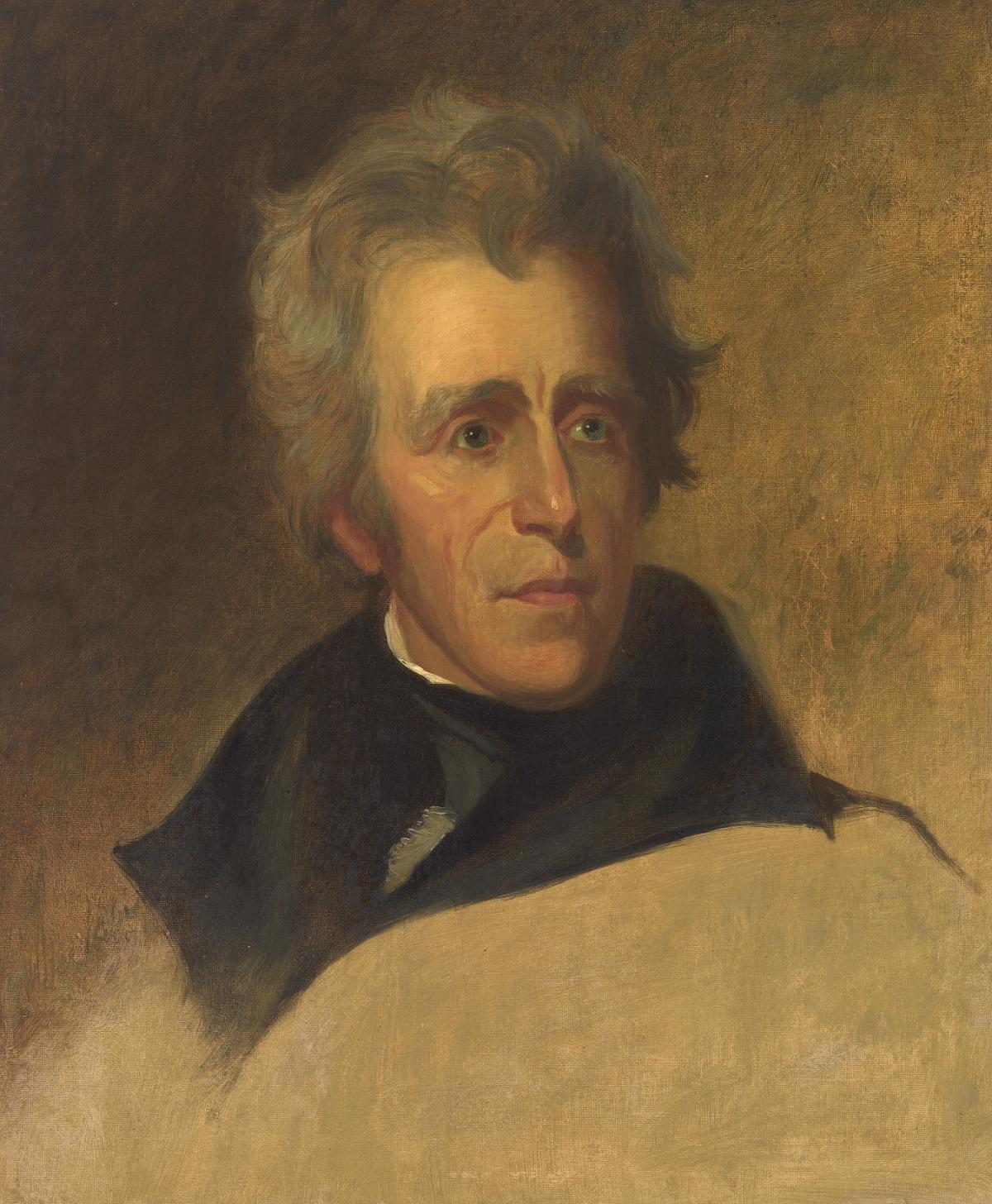
Jackson presented himself as a champion against entrenched privilege. His forceful personality helped make the presidency the centre of political argument, and his supporters built a durable Democratic organisation. Admirers saw resolve; opponents saw a president who stretched executive power too far.
Jackson’s successes and battles
One of his strongest stands came when South Carolina claimed it could nullify federal tariffs. Jackson rejected the idea that a state could simply cancel federal law. Congress authorised enforcement, while a compromise tariff helped resolve the immediate confrontation in 1833. Preserving the Union in that crisis was a significant success, though the underlying sectional tensions remained. The Library of Congress provides the proclamation and its context.
Jackson also fought the Second Bank of the United States. In 1832 he vetoed its renewed charter, arguing that its privileges unfairly favoured powerful interests. The original veto message shows how he framed the dispute. His victory over the bank was a political triumph, but dismantling it did not create a stable replacement for the nation’s financial system.
The human cost of Indian removal
Jackson signed the Indian Removal Act in 1830. His administration pursued treaties and policies that displaced Native nations from their homelands, opening land to white settlement and the expansion of slavery. The consequences were dispossession, suffering and death. Jackson’s own language described removal as beneficial; reading that claim against what happened reveals the gulf between official justification and human experience. The National Archives presents his message and the policy’s consequences.
Jackson was also an enslaver. His political ideal of liberty did not extend equally to everyone, and his administration opposed antislavery agitation. The expansion of political participation associated with his era principally benefited white men, not women, enslaved people or Native nations. His legacy therefore requires more than a celebration of popularity. The Miller Center discusses these contradictions.
8. Martin Van Buren: the organiser overwhelmed by economic disaster
In office: 1837–1841
Party: Democratic
Achievements: The Independent Treasury and restraint over annexing Texas
Main difficulties: Economic depression, support for slavery and forced Cherokee removal
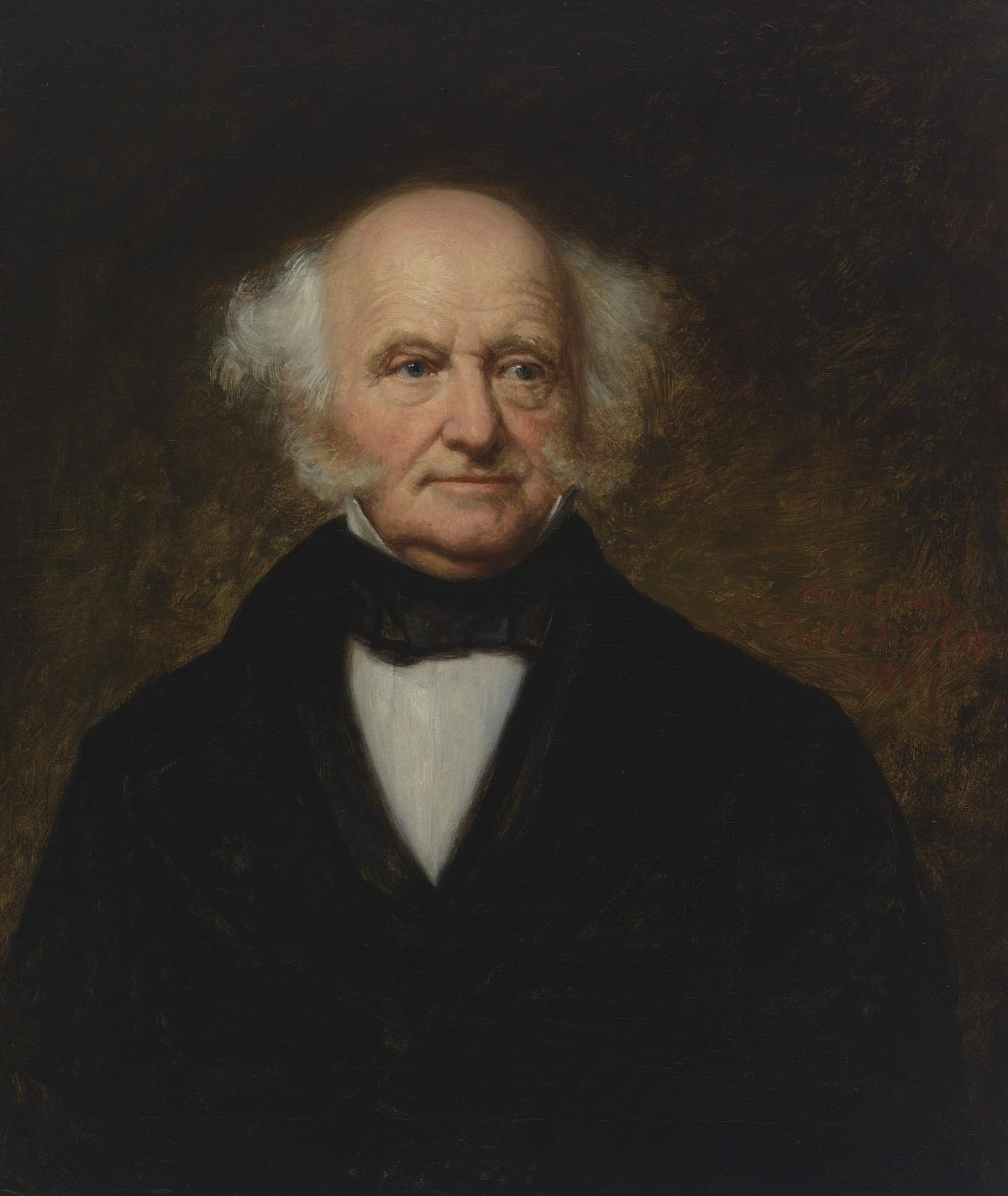
Van Buren knew how to build political alliances. A leading organiser of Jackson’s Democrats, he had served as secretary of state and vice president before winning the presidency himself. Yet the skills that helped win an election could not shield him from the Panic of 1837. Bank failures, unemployment and lost savings turned the promise of continuity into a political burden. The National Park Service outlines his rise and defeat.
The crisis had several causes, including domestic banking problems and tighter British credit. It is misleading to blame it entirely on Van Buren, or on one Jackson policy. But responsibility for the response fell to the new president. His belief in limited federal intervention left him unwilling to adopt the sweeping relief measures that desperate Americans might have wanted. The Miller Center explains the economic pressures.
What did Van Buren accomplish?
His main financial reform was the Independent Treasury, approved in 1840. It separated federal funds from private banking institutions. This was a genuine legislative achievement, but it did not end the suffering quickly enough to rescue his presidency. Harrison defeated him in that year’s election. The National Park Service places the reform in context.
Van Buren also resisted annexing Texas, avoiding a move that risked war with Mexico. That restraint contrasted sharply with the expansionist direction taken under his successors. The State Department’s historical account traces the dispute.
His record on human freedom was much darker. As president, he protected slavery and sought to return the Africans involved in the Amistad case to Spanish custody. His later Free Soil presidential candidacy in 1848 should not be allowed to obscure those decisions. His domestic record shows that contrast.
In 1838, Van Buren’s administration ordered the military removal of the Cherokee. Families were driven from their homes, confined and forced west on journeys associated with the Trail of Tears. Jackson had laid the policy’s foundations; Van Buren carried this devastating stage into effect. The National Park Service documents the Cherokee round-up.
9. William Henry Harrison: a campaign victory, then a sudden death
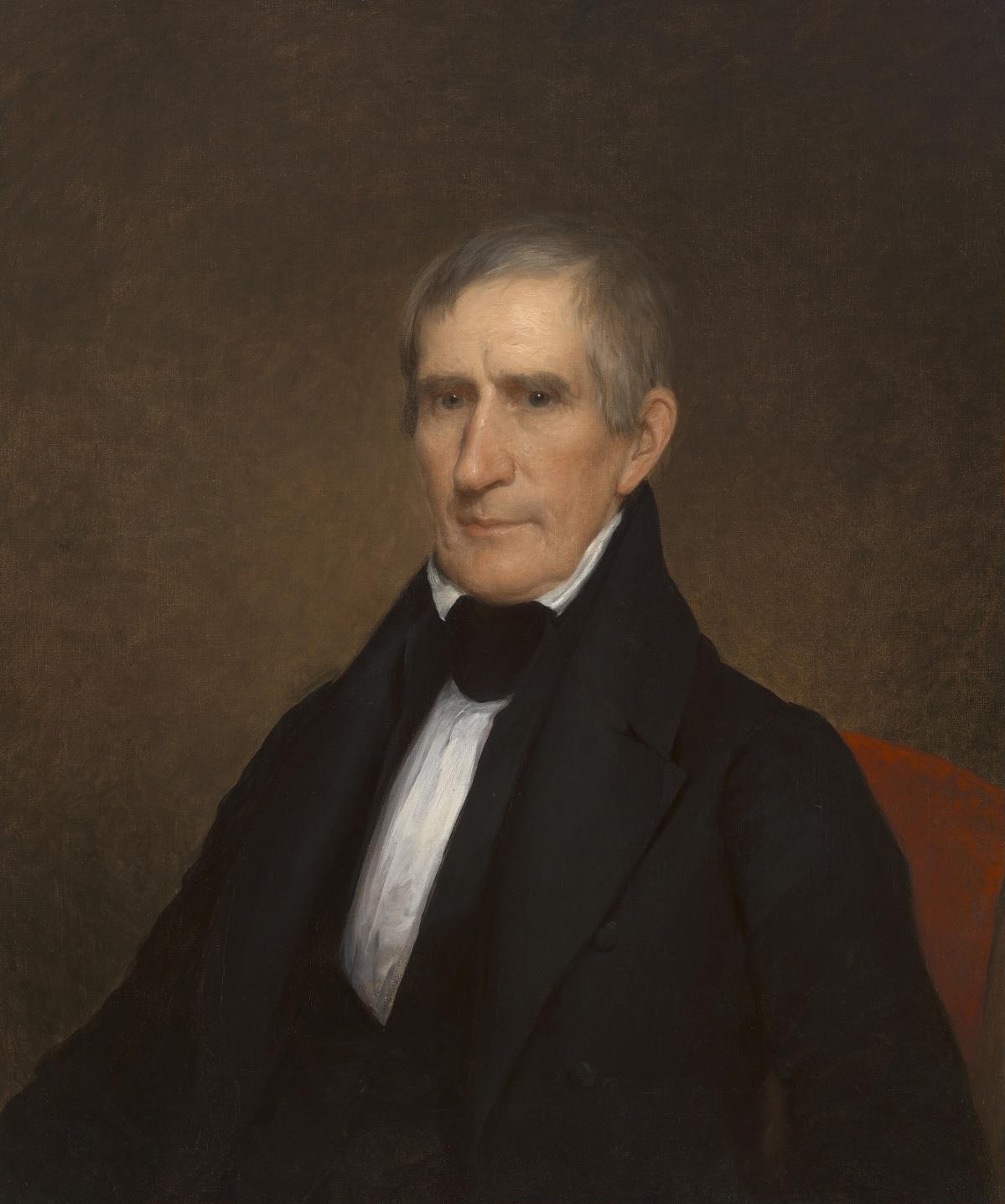
In office: March 4–April 4, 1841
Party: Whig
Achievement: Winning the presidency for the Whigs
Main limitation: Too little time in office to establish a substantial presidential record
The 1840 campaign sold Harrison as a plain, approachable man associated with log cabins and hard cider. “Tippecanoe and Tyler Too” linked his military reputation with his running mate, John Tyler. The imagery worked: voters rejected Van Buren during hard economic times. It was a campaign built around personality and memorable symbols as well as policy. The National Park Service describes the campaign.
Harrison’s reputation rested heavily on events before the White House, including the Battle of Tippecanoe in 1811. That military career cannot be separated from Native dispossession. As Indiana territorial governor, he pressed for vast land acquisitions; Native resistance challenged the expanding settlements that followed. What supporters celebrated as frontier achievement brought profound losses for Indigenous communities. The National Park Service explores that earlier career.
Why was Harrison’s presidency so short?
Harrison took office on March 4, 1841, and died on April 4, becoming the first US president to die in office. His presidency lasted only about a month, the shortest in American history. There is no substantial programme of completed presidential achievements to assess.
His very long inaugural speech is often linked directly to his death. That familiar story is less certain than it sounds. Pneumonia was the traditional explanation, but later scholarship has suggested enteric or typhoid fever. It is safer to acknowledge the uncertainty than to say that one speech in cold weather killed him. The White House Historical Association notes the competing explanations.
10. John Tyler: the successor who insisted on being president
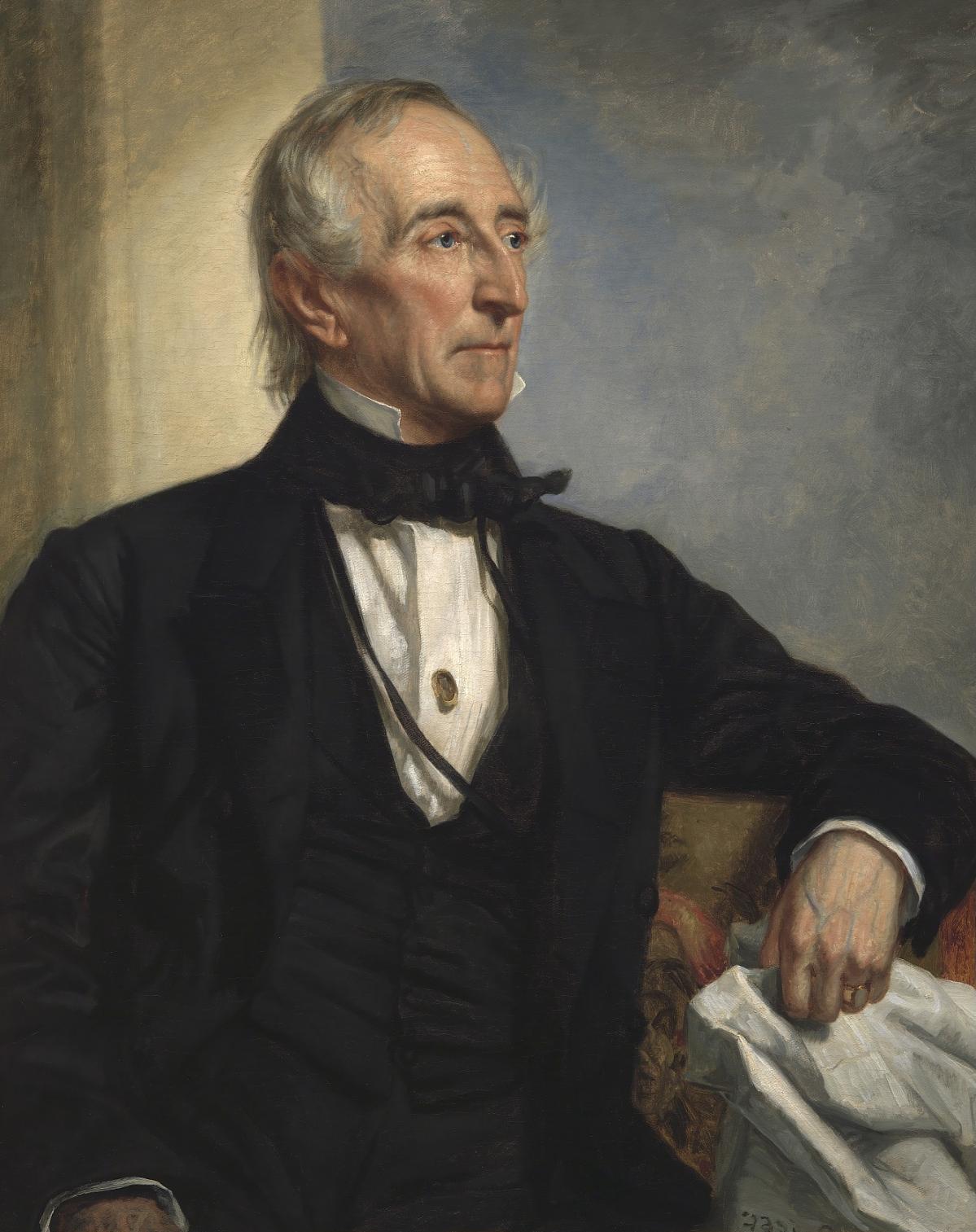
In office: 1841–1845
Party: Whig initially; unaffiliated after expulsion in 1841
Achievements: Establishing a succession precedent and the Webster–Ashburton Treaty
Main controversies: Conflict with his party, slavery and the drive to annex Texas
Harrison’s death created a constitutional test. Did the vice president become president, or merely act as president? Tyler insisted on the full office and its authority. Despite resistance and the nickname “His Accidency”, his position prevailed. That precedent mattered far beyond his own administration. The National Archives explains the first presidential succession.
The Whigs soon discovered that their former vice president would not simply carry out their programme. Tyler vetoed legislation to create a new national bank. His party expelled him, and most of his cabinet resigned. He remained president, but with little reliable support in Congress. His story shows the difference between possessing constitutional power and possessing an effective political coalition. The National Portrait Gallery summarises the conflict.
Tyler’s achievements and troubling legacy
Foreign affairs offered more success. The Webster–Ashburton Treaty of 1842 settled important boundary disputes with British North America, including the disputed northeastern border. Negotiated by Secretary of State Daniel Webster, it reduced tensions with Britain. The Office of the Historian explains the agreement.
Tyler also pushed to annex Texas. On March 1, 1845, he signed a joint resolution offering annexation. Texas did not become a state during his presidency: admission followed on December 29, 1845, under James K. Polk. The distinction keeps Tyler’s initiative separate from its completion. Annexation also intensified conflict with Mexico and debate over slavery’s expansion. The State Department records the sequence.
Tyler enslaved people and defended the interests of the slaveholding South. After his presidency, he sided with the Confederacy. Those choices are central to his legacy, alongside the succession precedent and diplomatic achievements. The White House Historical Association examines his life.
What these five presidencies changed
US presidents 6–10 helped shape a recognisably combative national politics: organised parties, bitter campaigns, disputes over banks and arguments about executive power. Their records also show why “success” needs careful definition. A political victory could come with financial instability. Territorial expansion could mean displacement or the spread of slavery.
Adams struggled to turn plans into law. Jackson made presidential leadership more forceful. Van Buren could organise a party but could not overcome a depression. Harrison left a constitutional crisis rather than a developed policy record. Tyler resolved that crisis while becoming isolated from the party that had elected him vice president.
Next in the series: James K. Polk, Zachary Taylor, Millard Fillmore, Franklin Pierce and James Buchanan, as expansion and slavery drove the nation closer to civil war.
For a later chapter in that story, explore our article on Abraham Lincoln’s life and presidency.
Image note: These are authentic historical paintings, not photographs. All five are designated public domain (CC0) by the Smithsonian and may be reused without royalties. Portrait dates do not necessarily coincide with a president’s time in office. See the Smithsonian Open Access guidance.
If you want your photos bringing back to life, send me a message on any of my social media accounts. Follow me across social media for historical photo restorations, AI colorizations, and videos bringing the past to life!
Instagram: https://www.instagram.com/bringing_history_to_life/
Facebook: https://www.facebook.com/bringinghistory2life | TikTok: https://www.tiktok.com/@bringing_history_to_life | YouTube: https://www.youtube.com/@bringing_history_to_life