From Chester A. Arthur to Theodore Roosevelt: Reform, Industry and Empire
American Presidents, Part 5
Between 1881 and 1909, the United States wrestled with the consequences of its own growth. Railroads and giant corporations connected markets but concentrated power. Workers demanded a fairer share of industrial wealth. Immigration transformed communities, while racial exclusion and the destruction of Native sovereignty exposed the limits of American democracy.
The five presidents in this instalment responded in sharply different ways. Chester A. Arthur helped reform the system that had advanced his career. Grover Cleveland defended restrained government. Benjamin Harrison signed measures that widened federal authority. William McKinley presided over overseas expansion, and Theodore Roosevelt made the presidency a more visible instrument of reform.
There is one numbering wrinkle: Cleveland served two separate terms, making him both the 22nd and 24th president. He appears here once, with Harrison’s presidency between those terms. Together, these five men take our story from the Gilded Age into the Progressive Era.
US presidents 21–26 at a glance: five individuals
- 21. Chester A. Arthur, 1881–1885: Republican Party.
- 22 and 24. Grover Cleveland, 1885–1889 and 1893–1897: Democratic Party.
- 23. Benjamin Harrison, 1889–1893: Republican Party.
- 25. William McKinley, 1897–1901: Republican Party.
- 26. Theodore Roosevelt, 1901–1909: Republican Party.
Grover Cleveland is counted as both the 22nd and 24th president because his terms were nonconsecutive. He is profiled once here; Benjamin Harrison served between those terms.
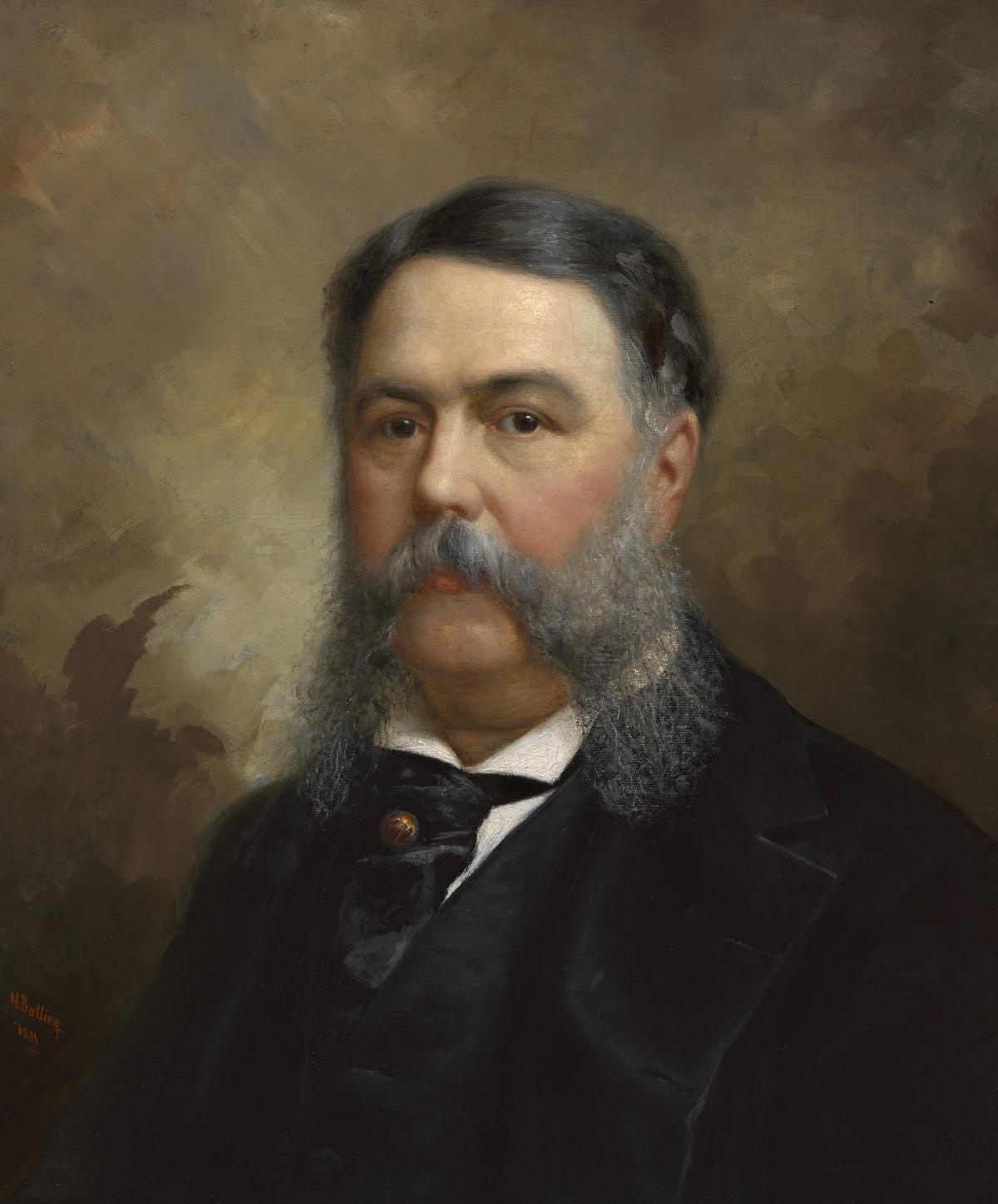
21. Chester A. Arthur: The Machine Politician Who Backed Reform
In office: 1881–1885
Party: Republican
Achievements: Signing the Pendleton civil service reform act
Main difficulties: Patronage politics and the discriminatory Chinese Exclusion Act
Arthur entered the White House after James A. Garfield died from an assassin’s wounds in September 1881. His reputation hardly suggested a crusader against political favouritism. A prominent New York Republican, Arthur had served as collector of the Port of New York, a position deeply entangled with patronage. He belonged to the Stalwart wing of the party, which defended the distribution of government jobs to loyal supporters. His background made his subsequent support for reform particularly striking. Library of Congress: Arthur’s administration.
The Pendleton Act
Garfield’s murder by a disappointed office-seeker intensified demands for a professional civil service. In January 1883, Arthur signed the Pendleton Act, establishing competitive examinations for covered federal positions and a Civil Service Commission. The law also protected covered employees against politically motivated dismissal and prohibited compulsory political contributions.
This did not immediately abolish the spoils system. Initially, its hiring reforms applied to only about a tenth of federal employees. Its importance lay in establishing a structure that later administrations could expand. Arthur helped turn a reform movement into a durable institution, even though the change threatened the political methods associated with his earlier career. National Archives: Pendleton Act.
Reform with a harsh boundary
Arthur’s presidency also produced the Chinese Exclusion Act of 1882. He first vetoed a proposal for a twenty-year restriction, objecting to its treatment of treaty obligations, but subsequently signed a ten-year ban on the immigration of Chinese labourers. The law also barred Chinese immigrants from naturalisation. His earlier veto therefore should not be mistaken for a rejection of exclusion itself. Arthur’s veto message; National Archives: Chinese Exclusion Act.
Arthur’s legacy contains both developments: a more merit-based federal workforce and a discriminatory immigration regime. Remembering one without the other gives an incomplete picture of what reform meant in the 1880s.
22 and 24. Grover Cleveland: Two Terms and a Fierce Belief in Limited Government
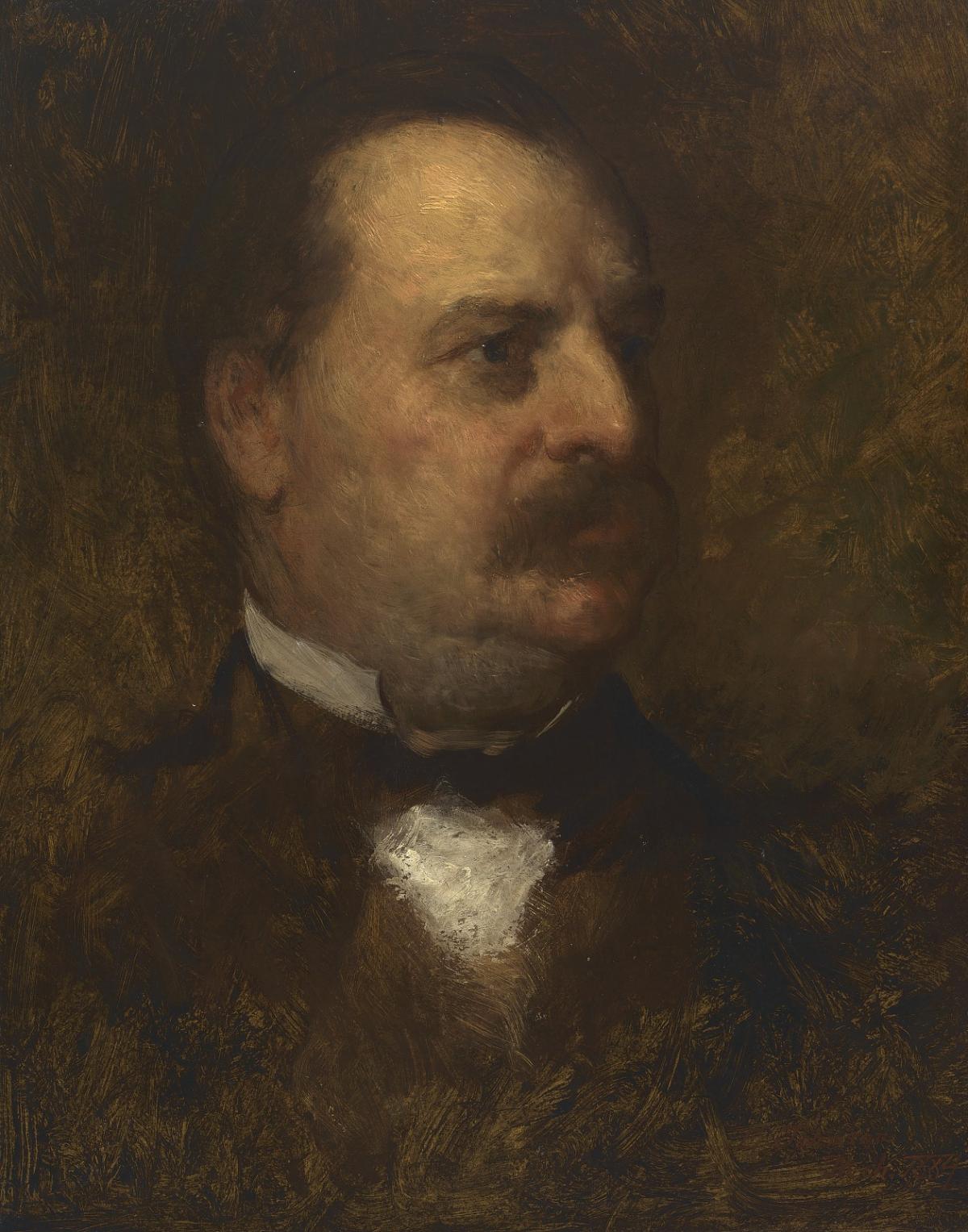
In office: 1885–1889 and 1893–1897
Party: Democratic
Achievements: Railroad regulation through the Interstate Commerce Act and resistance to Hawaiian annexation
Main difficulties: The depression after 1893, the Pullman strike intervention and the Dawes Act’s effects on Native land
Cleveland rose rapidly from mayor of Buffalo to governor of New York and then president. His reform reputation attracted Democrats and dissident Republicans who distrusted machine politics. Elected in 1884, he lost the Electoral College to Benjamin Harrison in 1888 despite receiving more popular votes, then returned after winning in 1892.
He treated the presidency as a responsibility to resist improper expenditure rather than promise assistance to every group. His frequent vetoes included private pension measures and an appropriation for seed grain for drought-stricken Texas farmers. Admirers saw principled economy; critics saw an inflexible refusal to meet genuine need. He also supported lower protective tariffs and signed the Interstate Commerce Act of 1887, an important early attempt at federal railroad regulation. Archived White House biography.
Depression and the Pullman strike
The Panic of 1893 and the depression that followed dominated his second term. Cleveland prioritised the gold reserve and financial confidence, supporting repeal of the silver-purchasing provisions of the Sherman Silver Purchase Act. To many struggling families, those priorities offered little immediate relief.
In 1894, a dispute at the Pullman railway-car company expanded into a national railway boycott. Cleveland deployed federal troops, invoking the protection of the mails and enforcement of federal authority. The intervention helped defeat the boycott and left a lasting divide between his administration and organised labour. The conflict illustrated how a president committed to limited economic assistance could still use powerful federal machinery against industrial disruption. National Park Service: the strike of 1894.
Land, sovereignty and unequal rights
Cleveland signed the Dawes Act in 1887. Presented by supporters as a route to individual landownership and assimilation, it authorised the division of tribal lands into allotments. The allotment system undermined communal ownership and contributed to enormous Native land losses. Its consequences deserve a central place in his record, rather than a passing mention beneath debates over tariffs. National Archives: Dawes Act.
Abroad, he resisted immediate annexation of Hawaii after the overthrow of Queen Liliʻuokalani. That opposition distinguished him from the expansionists who followed, although it did not restore the kingdom. Cleveland’s two presidencies reveal the possibilities and severe limitations of his vision of restrained government. National Archives: Hawaiian annexation.
23. Benjamin Harrison: A Busier Federal Government
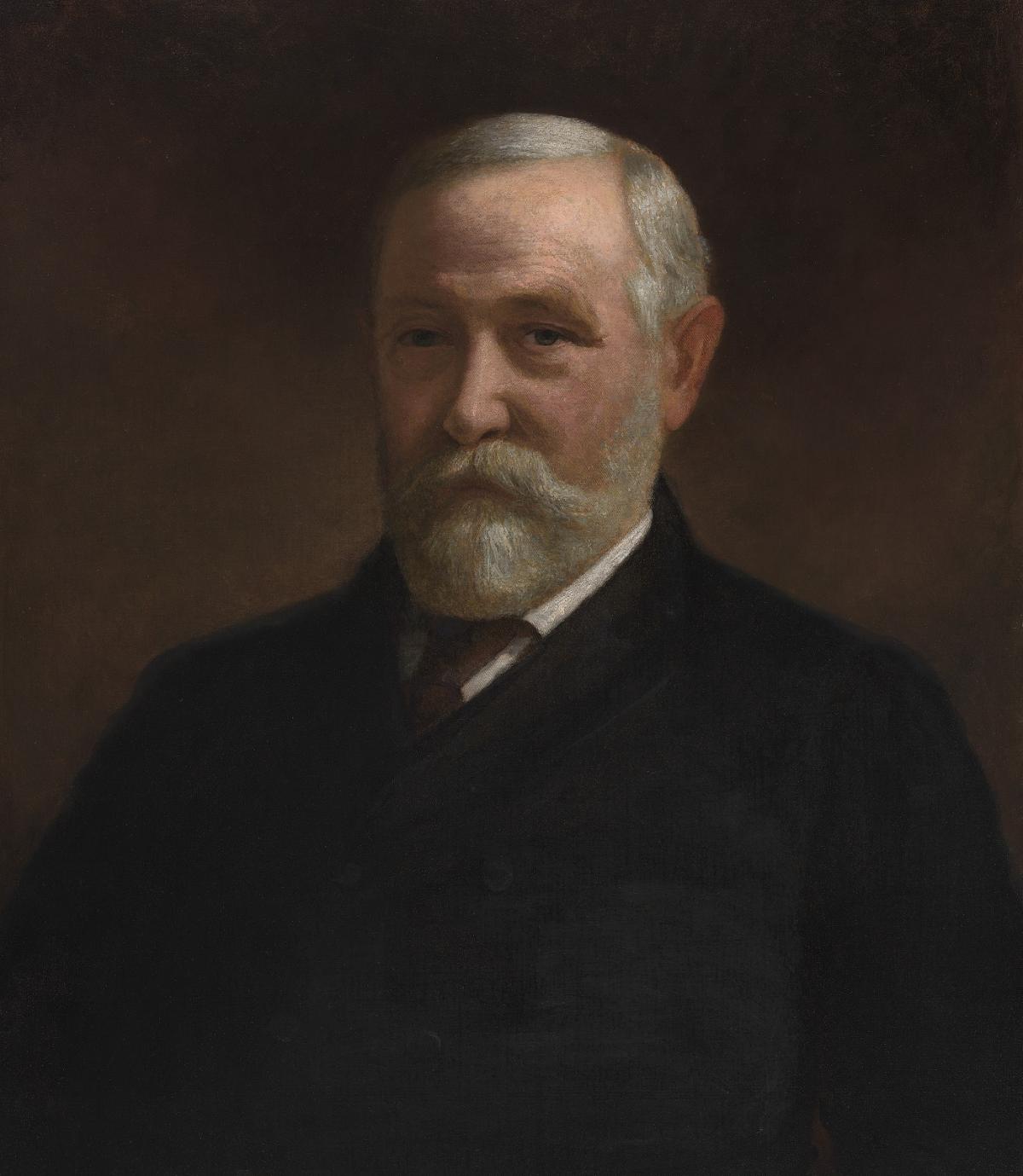
In office: 1889–1893
Party: Republican
Achievements: Signing the Sherman Antitrust Act and supporting naval expansion
Main difficulties: Tariff controversy, limited early antitrust enforcement and federal violence at Wounded Knee
Benjamin Harrison, grandson of President William Henry Harrison, was a lawyer, Union veteran and former senator from Indiana. His victory in 1888 placed him between Cleveland’s two administrations. Although less prominent in popular memory than several of his neighbours in the presidential sequence, his term brought consequential legislation.
Taking on trusts
Harrison signed the Sherman Antitrust Act in July 1890. It gave the federal government a basis for challenging monopolisation and combinations restraining interstate commerce. This was an important acknowledgment that business power could require national oversight.
Enactment was only the beginning. Vague language, limited early enforcement and restrictive judicial interpretation weakened the law’s immediate impact. Later presidents used it more effectively, including Theodore Roosevelt in the Northern Securities case. Harrison deserves credit for signing the statute, but describing his administration as having solved the monopoly problem would greatly exaggerate its results. National Archives: Sherman Antitrust Act.
His administration also backed naval expansion and substantial federal spending. The McKinley Tariff of 1890 increased protective duties, reflecting the Republican argument that protection supported American industry. Opponents criticised high tariffs and spending, and the Republicans suffered heavily in the 1890 congressional elections. Harrison lost his rematch with Cleveland in 1892. Archived White House biography.
The violence behind expansion
Harrison’s years in office also included the Wounded Knee massacre. On 29 December 1890, U.S. soldiers killed Lakota people, including women and children, in South Dakota. The event grew out of the broader campaign against Native resistance and official fear of the Ghost Dance religious movement. It remains a devastating part of the history of federal power on the Plains. Library of Congress: Wounded Knee.
Harrison’s record therefore extends beyond a list of laws. The same expanding federal state that began regulating corporate power was also enforcing policies that devastated Indigenous communities.
25. William McKinley: Prosperity and the Costs of Empire
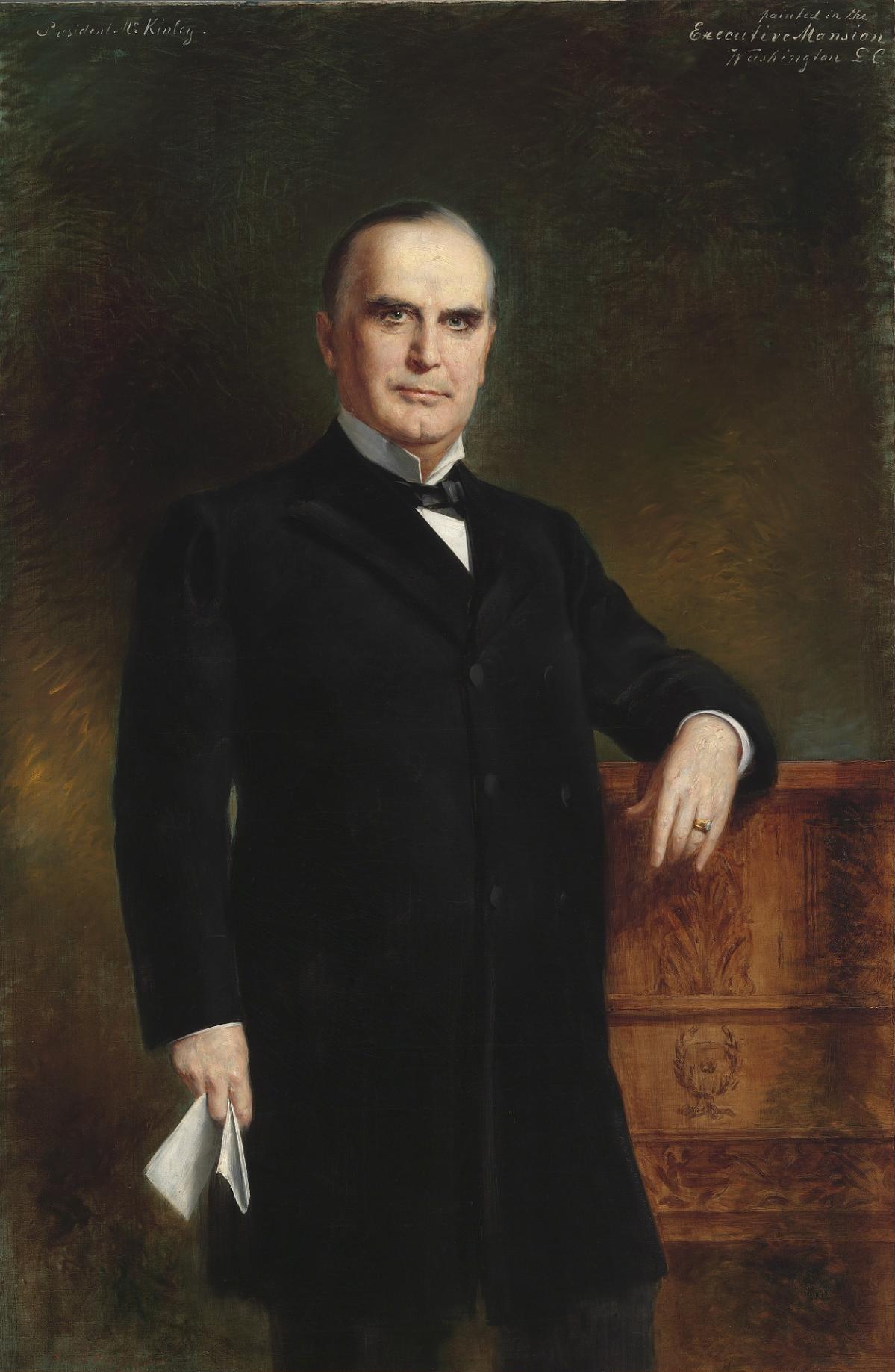
In office: 1897–1901
Party: Republican
Achievements: Leadership during economic recovery and victory in the Spanish-American War
Main difficulties: Colonial expansion, Hawaiian annexation and the Philippine-American War
McKinley won the 1896 election against William Jennings Bryan amid a fierce argument over money and economic recovery. A former Ohio governor and congressman, he championed protective tariffs and became associated with renewed prosperity after the depression. His campaign presented stability and business confidence as the route forward. Archived White House biography.
The turning point of 1898
The Spanish-American War transformed his presidency. Years of fighting for Cuban independence, outrage at Spanish repression and the explosion of the battleship USS Maine intensified pressure for intervention. The Maine’s destruction was not proof of Spanish responsibility, but it helped inflame public opinion.
Following war in 1898, Spain relinquished its claim to Cuba and ceded Puerto Rico, Guam and the Philippines to the United States. The victory expanded American power across the Caribbean and Pacific. Cuba was not annexed, a distinction sometimes lost in abbreviated accounts of the conflict. Office of the Historian: Spanish-American War.
McKinley also signed the resolution annexing Hawaii in 1898. Annexation followed the overthrow of the Hawaiian monarchy five years earlier and faced substantial Native Hawaiian opposition. Strategic advantages for the United States came at the expense of Hawaiian sovereignty. National Archives: annexation resolution.
A war for Filipino independence
Filipino nationalists did not accept the replacement of Spanish colonial rule with American rule. Fighting began in February 1899. The Philippine-American War involved brutal counterinsurgency and immense civilian suffering from violence, hunger and disease. American arguments about opportunity and national prestige collided with the aspirations of people seeking their own independence. Office of the Historian: Philippine-American War.
McKinley won re-election in 1900 but was shot at the Pan-American Exposition in Buffalo in September 1901 and died eight days later. His death brought Theodore Roosevelt to office, but the overseas commitments established during his presidency continued to shape American policy.
26. Theodore Roosevelt: Reform, Conservation and Executive Power
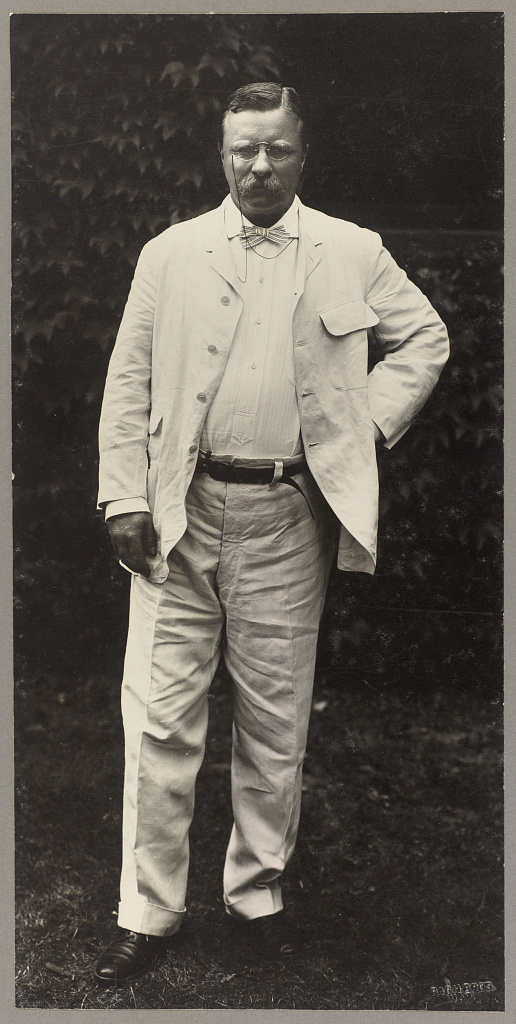
In office: 1901–1909
Party: Republican
Achievements: Conservation, stronger business regulation, food protections and peace mediation
Main difficulties: Imperial intervention and the unjust discharge of Black soldiers after Brownsville
Roosevelt became president at forty-two, the youngest person to assume the office. Energetic and publicity-conscious, he used the presidency to argue that national government should respond more actively to the pressures of industrial society.
The Square Deal in practice
His administration’s successful challenge to Northern Securities showed that powerful corporations could face federal action. During the anthracite coal strike of 1902, he helped bring employers and workers towards a settlement rather than simply deploying troops against strikers. His approach sought a workable balance between labour, business and the public. Department of Labor: coal strike of 1902.
In 1906, he signed the Food and Drugs Act and the Meat Inspection Act, strengthening federal safeguards against adulterated products and unsanitary production. These changes reflected pressure from campaigners, investigators and Congress as well as presidential leadership. FDA: legislative milestones.
Conservation became another defining achievement. Roosevelt helped protect approximately 230 million acres of public land through forests, parks, monuments and wildlife reserves. His approach included the sustainable use of resources, not simply leaving every landscape untouched. National Park Service: Roosevelt and conservation.
The limits of the reformer
Roosevelt supported Panama’s separation from Colombia and secured the canal agreement in 1903; the canal itself opened after his presidency, in 1914. His Roosevelt Corollary asserted an American policing role in the Western Hemisphere, furnishing a rationale for intervention in neighbouring countries. Office of the Historian: Panama Canal; Roosevelt Corollary.
His racial record also demands scrutiny. In the Brownsville affair of 1906, he ordered 167 Black soldiers discharged without honour and without individual trials after accusations surrounding a shooting. Their treatment exposed the unequal reach of his promise of fairness. Theodore Roosevelt Presidential Library: Brownsville.
Roosevelt received the 1906 Nobel Peace Prize for helping negotiate peace between Russia and Japan. His legacy combines that diplomacy and major domestic reforms with imperial ambition and racial injustice. Its contradictions are essential to understanding his presidency. Nobel Prize: Roosevelt.
Looking Back at a Changing Presidency
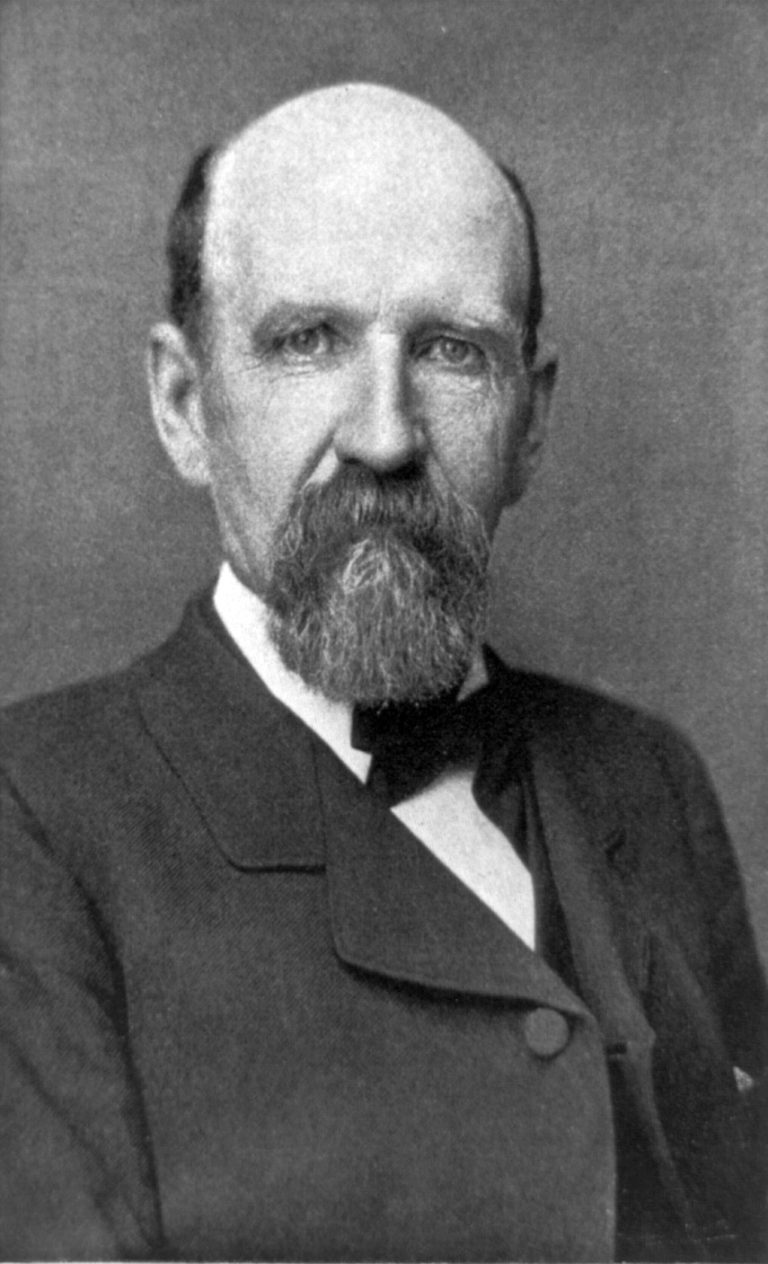
These five presidents governed a country debating who should benefit from progress and who would bear its costs. Their portraits preserve recognisable faces, but the fuller history lies in institutions, workplaces, communities and overseas territories altered by their decisions. Bringing that past to life means keeping the achievements and the consequences in the same frame.
Explore more lives and turning points in our history articles.
If you want your photos bringing back to life, send me a message on any of my social media accounts. Follow me across social media for historical photo restorations, AI colorizations, and videos bringing the past to life!
Instagram: https://www.instagram.com/bringing_history_to_life/
Facebook: https://www.facebook.com/bringinghistory2life | TikTok: https://www.tiktok.com/@bringing_history_to_life | YouTube: https://www.youtube.com/@bringing_history_to_life