Joseph Pujol: The Extraordinary Act of Le Pétomane
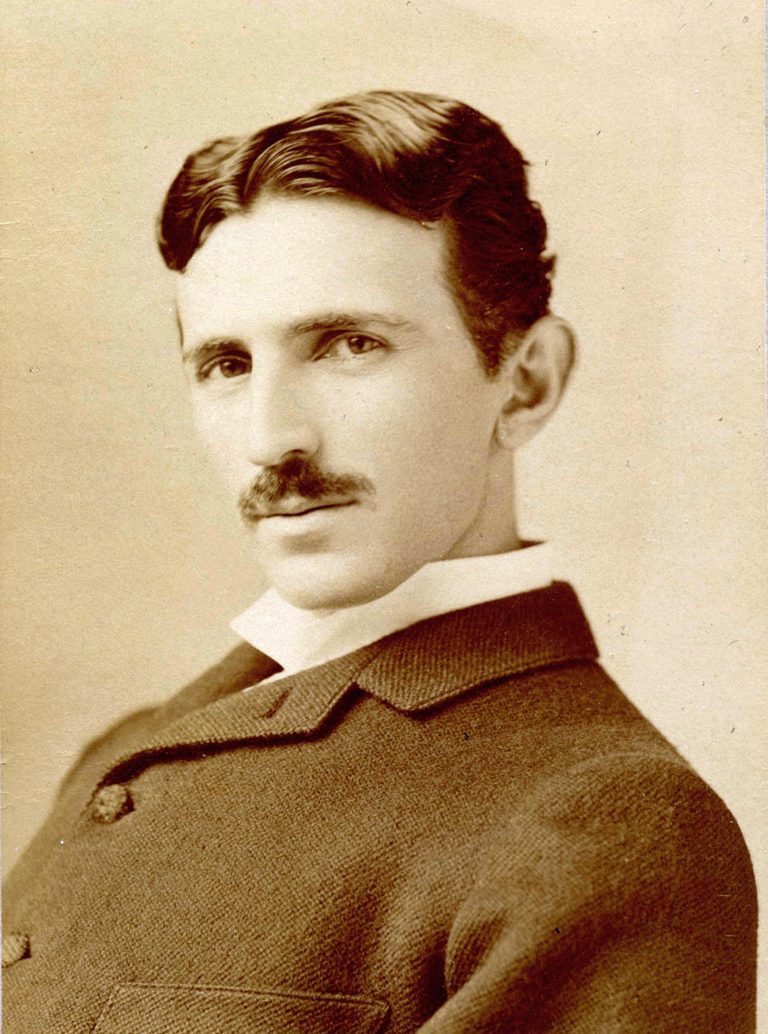
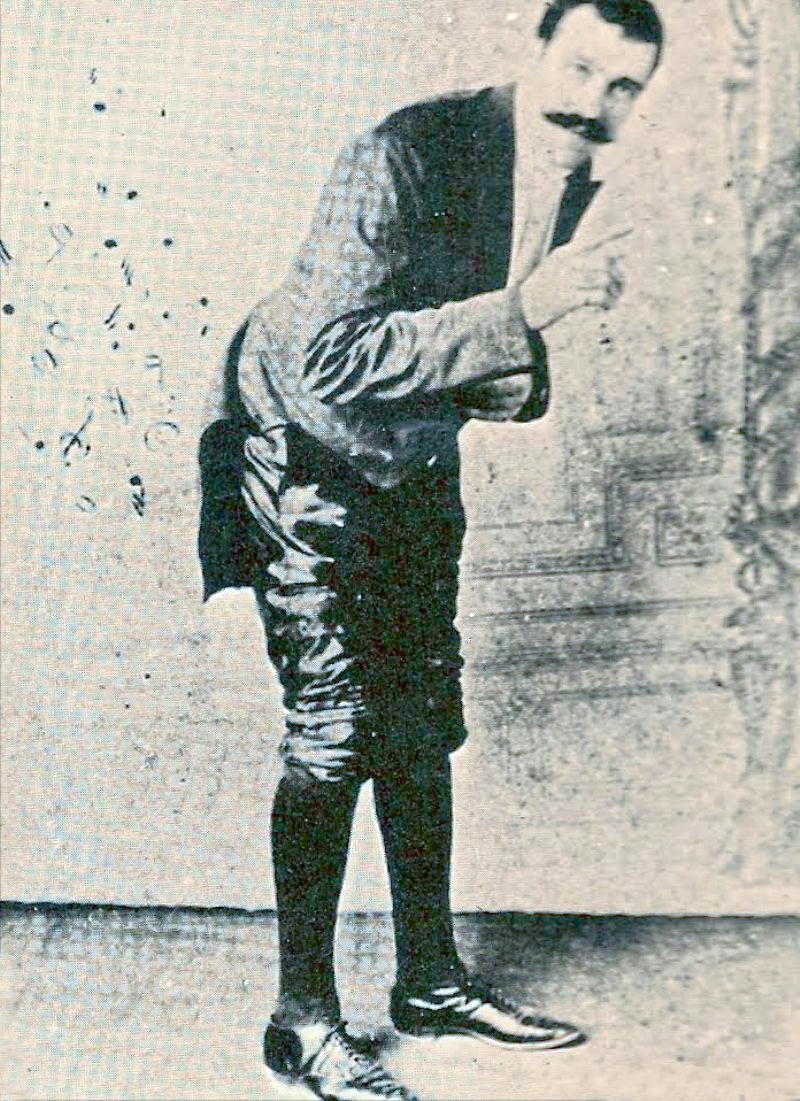
Featured photograph: Joseph Pujol, known professionally as Le Pétomane, in a portrait made before 1914. Unknown photographer; public domain via Wikimedia Commons. Source and rights.
The portrait looks respectable enough: a mustached man in formal clothes, posed for the camera. Nothing in it announces that Joseph Pujol became famous for a stage act based on controlled sounds produced through his backside.
Under the name Le Pétomane, Pujol turned that ability into a Parisian attraction. The obvious joke has kept his name alive, but it can also hide the more interesting story. Here was a performer who built a professional act around an unusual physical skill, presented it to paying audiences and became part of the entertainment business of the Belle Époque.
From Marseille to the Moulin Rouge
Pujol was born in Marseille in 1857 and worked as a baker before his stage career made him famous. He developed his act in southern France before establishing himself in Paris. His name became particularly associated with the Moulin Rouge in the early 1890s.
The Moulin Rouge’s own history of Le Pétomane remembers his audition for its co-founder Charles Zidler and identifies him as one of its distinctive early attractions. Its account emphasizes his ability to produce a variety of sounds and melodies.
That matters because the modern image of the venue can make his presence seem inexplicable. The Moulin Rouge did not offer only one kind of entertainment. Its chronology of the early years describes a mixture of attractions and personalities. Pujol belonged to that broader world of novelty and variety performance.
What was he actually doing?
The usual description of Pujol as a professional farter is memorable, but it is not quite the explanation offered by historical accounts. They describe air taken into the rectum from outside and released under muscular control, rather than a performance dependent on gas produced by digestion.
His act even interested doctors. A medical-history article in the Danish physicians’ journal Ugeskrift for Læger discusses reports of an 1892 examination and a performance for medical men. The reported explanation concerned muscular control, not a fantastical extra organ.
These accounts are useful for separating a physical explanation from the legends that accumulated around him. They are historical reports, however, not an invitation to diagnose a performer from a photograph or to repeat every extravagant claim made about his anatomy.
The distinction also changes how we understand his profession. A single unexpected noise is an accident. Producing a planned sequence, varying it and presenting it to an audience is an act. Pujol’s material was unconventional, but the demands of performance were recognizable.
Why the formal clothes mattered
The portrait’s formal appearance is therefore not incidental to the story. There is a visual contrast between the respectable presentation and the bodily comedy associated with his name. The photograph gives us that contrast without preserving the sound or timing of the performance itself.
Historian Alison Moore’s study of Pujol’s historical context examines how his act played with class, propriety and the meeting of supposedly high and low culture. The music hall offered audiences an opportunity to enjoy conduct that would have been unacceptable in more formal settings.
Moore also places him in a competitive entertainment market that prized novelty. That is a better framework than imagining an entire century as uniformly prudish. The same audience could observe conventions in one place and pay to see them overturned in another.
We should still resist inventing a reaction for every spectator. An audience is not a single mind. Curiosity, amusement, embarrassment and disapproval are all different possibilities, and the surviving publicity does not let us measure each one.
A contemporary illustration of the attraction
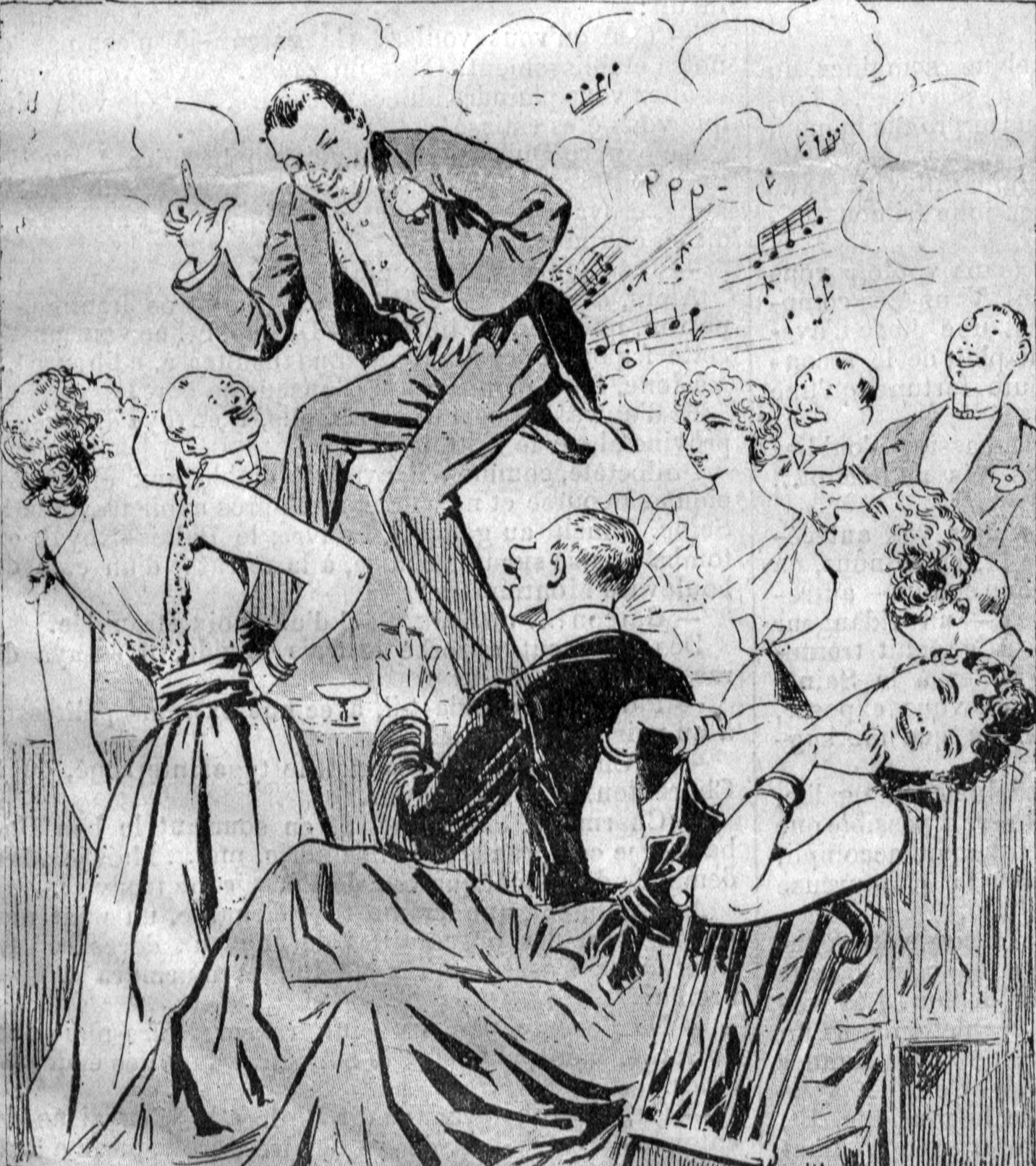
A second image takes us into the world of publicity rather than portrait photography. The illustration reproduced here appeared in Paris qui rit on October 9, 1892. The Bibliothèque nationale de France’s catalog record for the periodical identifies it as a publication concerned with humor, society and theater.
The difference between the two images is worth keeping clear. A photograph records a sitter in front of a camera. A humorous illustration can exaggerate, arrange and comment. Both are historical evidence, but they answer different questions.
For that reason, the main image is the verified photograph of Pujol himself. The period illustration accompanies the story as evidence of how his act was represented, not as a literal photographic record of a particular evening.
Success did not remove the business problems
Pujol’s career included contractual disputes with the Moulin Rouge and work under his own Théâtre Pompadour banner. Moore’s research treats those disputes as part of a serious commercial history: behind the jokes were questions about engagements, income and who controlled a successful attraction.
The biographical outline of his later life describes his withdrawal from performance around World War I and a return to the baking trade. He died in 1945, long after the period most closely associated with his stage name.
That long span is easily lost when his whole life is reduced to a single outrageous job description. The famous act occupied only part of it. A portrait can help restore the distinction between a public persona and the person who lived before, during and after it.
More than a punch line
Pujol does not need invented earnings, an embellished list of royal admirers or a dubious film attribution to be interesting. The documented outline is unusual enough: a baker became a celebrated novelty performer, attracted medical attention and left a trail through the visual culture and business records of Parisian entertainment.
His story asks us to take comedy seriously without pretending it was solemn. The laughter was the point of the act. Understanding how he produced it, sold it and appeared before his audience gives the photograph its human context.
Explore more unusual historical lives in our article collection.
Get Your Images Done Too
If you want your photos bringing back to life, send me a message on any of my social media accounts.
Follow me across social media for historical photo restorations, AI colorizations, and videos bringing the past to life!