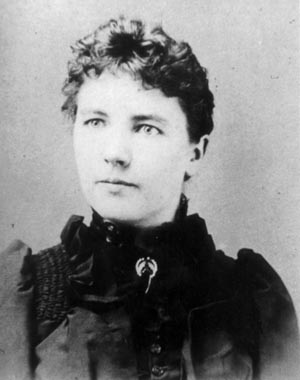
Amelia Earhart: The Pilot Beyond the Disappearance
Amelia Earhart’s final flight has generated so much speculation that it can overshadow the life that preceded it. Before she disappeared over the Pacific in 1937, she had already become a record-setting pilot, a successful public figure and an advocate for women’s opportunities.
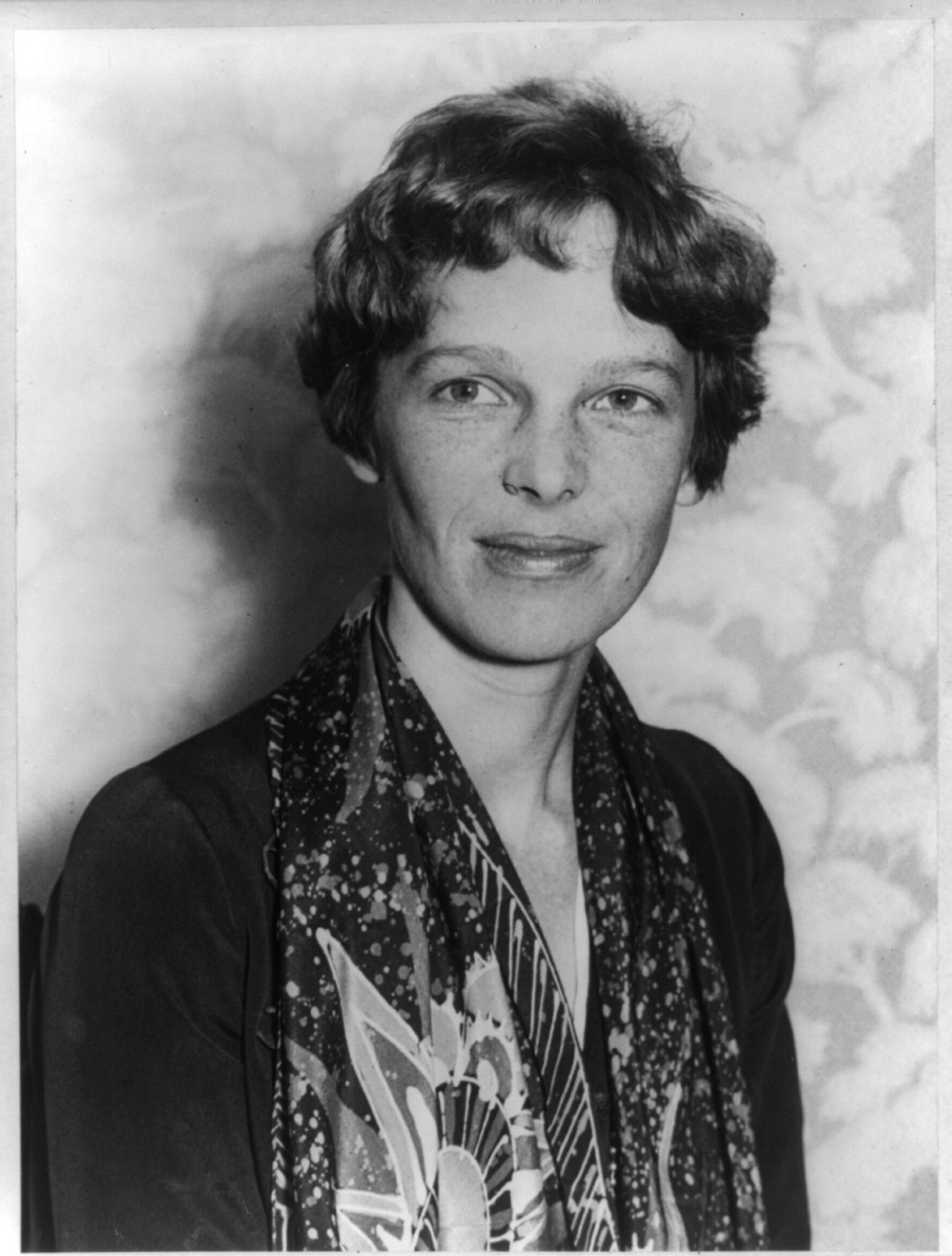
She flew alone across the Atlantic, completed demanding long-distance flights and used her visibility to argue that women deserved access to technical training and ambitious careers. Understanding Earhart means beginning with those accomplishments rather than with a theory about her death.
An Unsettled Childhood and a New Ambition
Amelia Mary Earhart was born on July 24, 1897, in Atchison, Kansas. Her family moved repeatedly during her childhood. She grew up with her younger sister Muriel, navigating changes in home, school and family circumstances.
During the First World War, she worked as a nurse’s aide in Toronto. Encounters with aviation helped develop an interest that became decisive after the war. In December 1920, she took a short airplane ride in California with pilot Frank Hawks. Soon she was seeking lessons rather than simply watching from the ground.
Her instructor, Neta Snook, was herself a pioneering woman in aviation. Earhart began learning in 1921 and worked to support the expense. Flying was neither an easy hobby nor an established career path for a young woman. Aircraft, instruction and maintenance demanded money, while prejudice limited opportunity.
She bought a small Kinner Airster and set a women’s altitude record in 1922. Financial pressures later interrupted her flying, but did not end her commitment. The Smithsonian’s biographical account places these early experiences within her gradual development as a pilot.
The Atlantic Flight That Made Her Famous
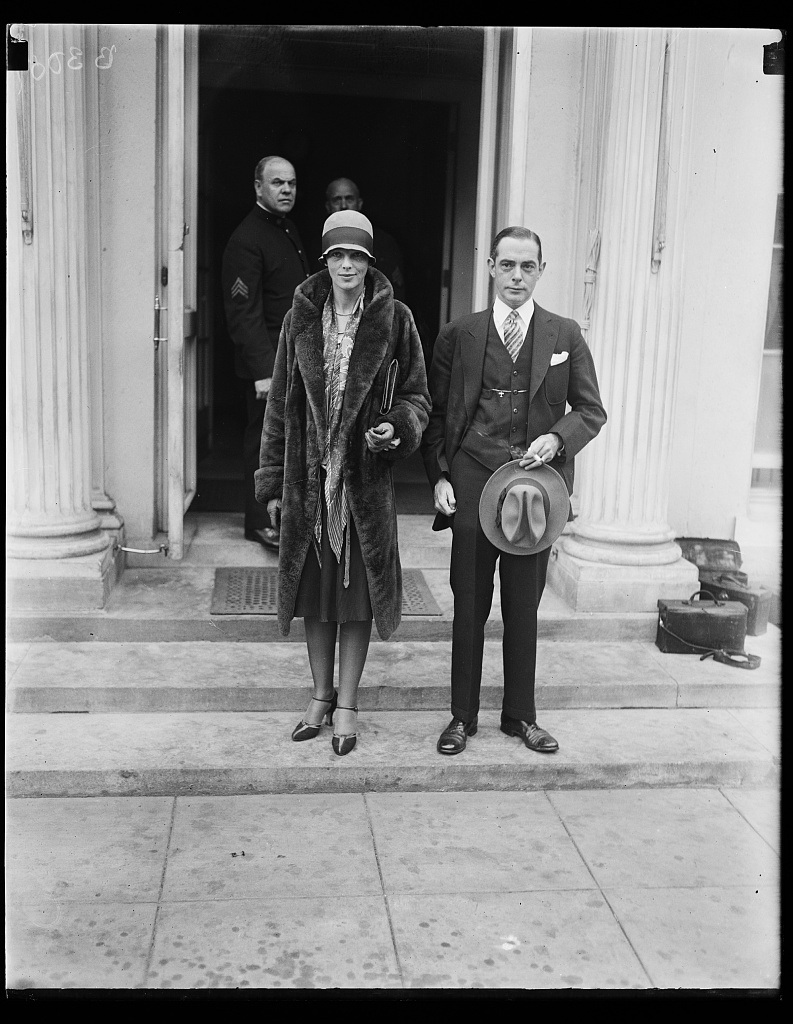
In 1928, Earhart received an extraordinary invitation: join a flight across the Atlantic. She accepted and traveled aboard the Friendship with Wilmer Stultz and Louis Gordon.
The flight made her the first woman to cross the Atlantic by airplane, but it did not make her the first woman to pilot a solo crossing. She traveled as a passenger on the ocean leg. That distinction mattered to Earhart, and it matters to any accurate account of her career.
The achievement nevertheless brought immediate publicity. Publisher George Palmer Putnam helped manage the attention, and Earhart turned the experience into a book and lecture opportunities. Fame created pressure, but it also provided a way to finance further flying.
She now had an audience far larger than the aviation community. What she chose to do next could influence how that audience imagined women in the cockpit. Purdue University’s archive biography documents the transition from settlement-house work in Boston to international celebrity.
Proving Herself Alone Over the Ocean
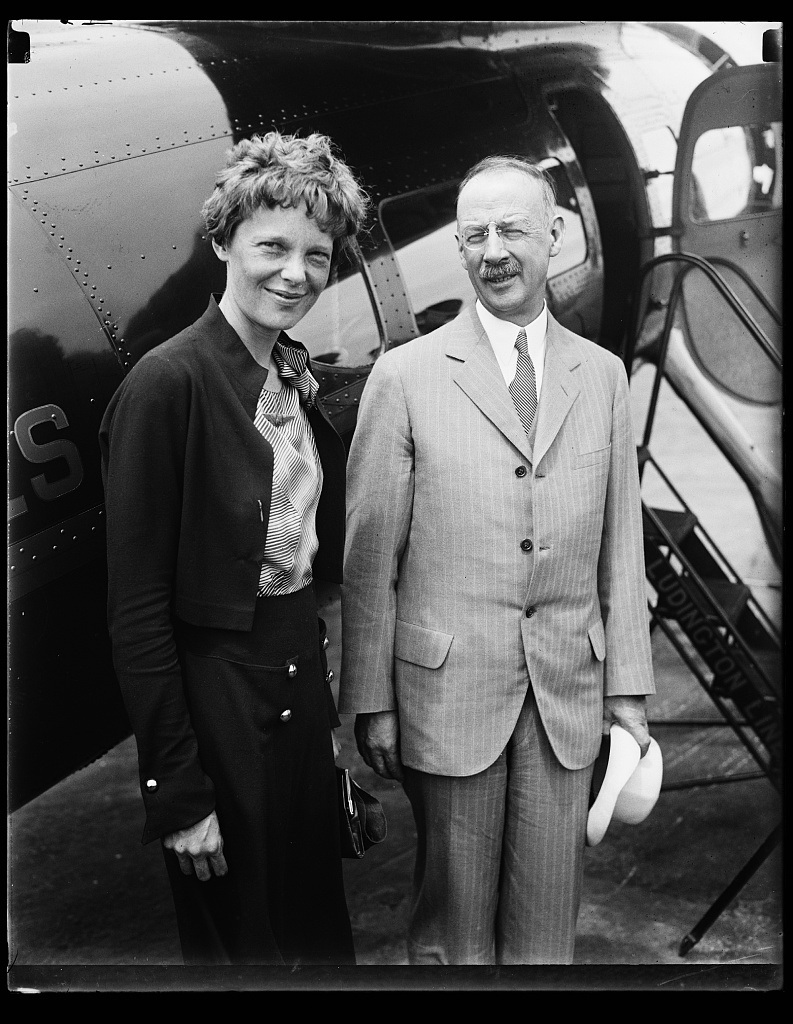
On May 20, 1932, Earhart departed Harbor Grace, Newfoundland, in a red Lockheed Vega. This time she was alone at the controls. After a demanding flight of roughly fifteen hours, she landed near Londonderry in Northern Ireland.
She had become the first woman to fly solo nonstop across the Atlantic. The flight demonstrated an achievement distinct from the publicity surrounding 1928. No other crew member had brought the aircraft across for her.
Later that year, she completed the first solo nonstop transcontinental flight across the United States by a woman. In January 1935, she flew alone from Hawaii to California, becoming the first person to make that solo journey.
The Hawaii flight crossed a large stretch of the Pacific, not the entire ocean from one continental shore to the other. Precision does not make it less impressive. Long-distance flying required endurance, planning and acceptance of risks that could not always be eliminated. Earhart’s records built a career through actual flights, not simply through a recognizable face.
Marriage, Writing and a Public Voice
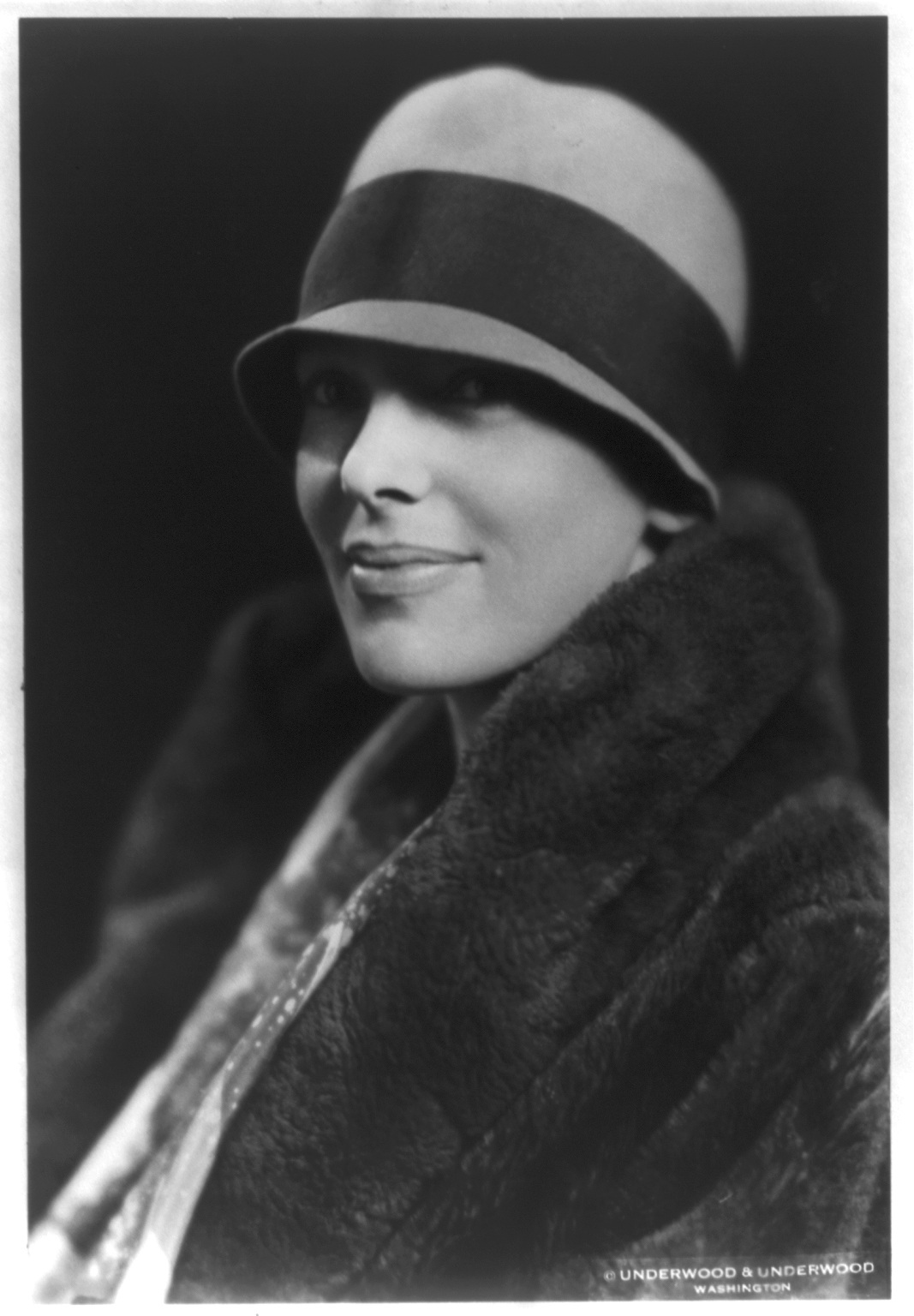
Earhart married Putnam in 1931. Their personal relationship also involved a close professional partnership: he promoted her work, and she supplied the achievements and public presence around which that promotion operated.
She retained her own name and spoke about marriage in terms of independence and partnership. She had no children. Her work extended beyond aviation records into books, magazine writing, lectures and commercial ventures, including a short-lived clothing business.
Celebrity could make those ventures possible while also narrowing how people saw her. She was expected to be both a daring aviator and a reassuring public personality. Rather than retreating from attention, she used it to argue for women’s capabilities. The National Women’s History Museum explores that connection between her public career and advocacy.
Opening Doors for Other Women
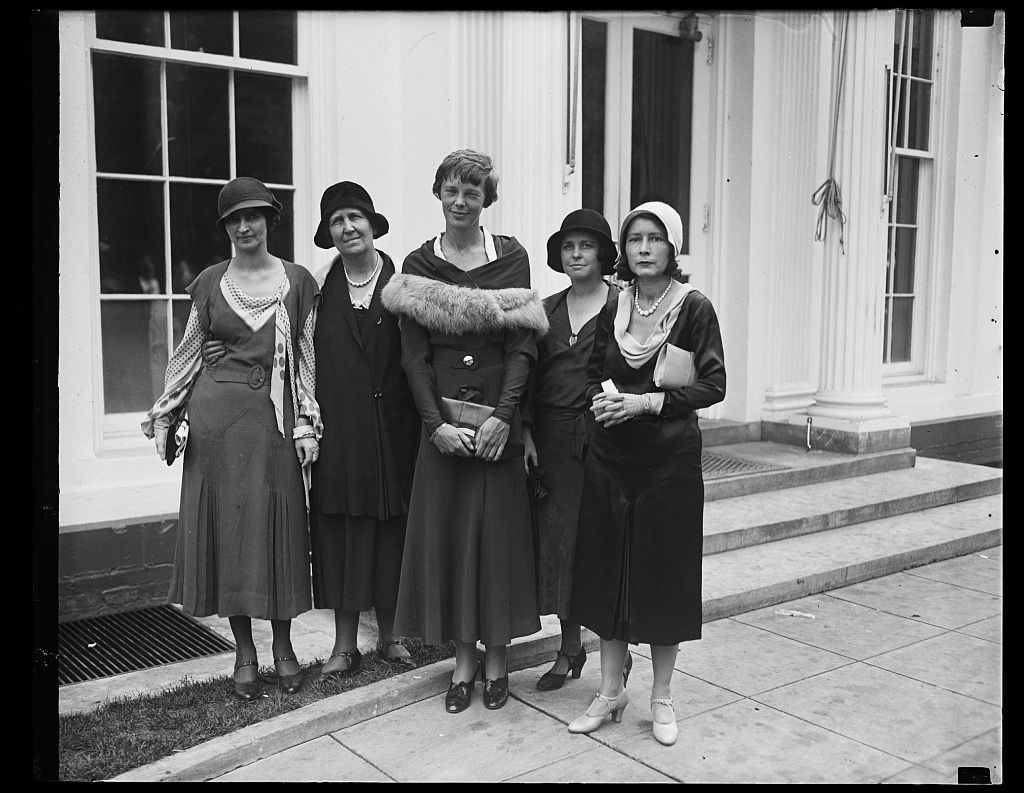
Earhart helped establish the Ninety-Nines, an organization of women pilots, and served as its first president. Collective support mattered in a field where women often lacked professional networks and opportunities to train.
She also joined Purdue University in 1935 as an adviser in aeronautics and a counselor on careers for women. Her example could encourage students, but her message reached beyond imitation. Women should be able to pursue skilled work because they had the ability and interest, not only because a famous pilot had made it fashionable.
In a letter to President Franklin D. Roosevelt before her world-flight attempt, she explicitly connected her ambitions with showing what women could achieve. The National Archives’ discussion of the letter preserves the evidence behind that interpretation.
The Attempt to Fly Around the World
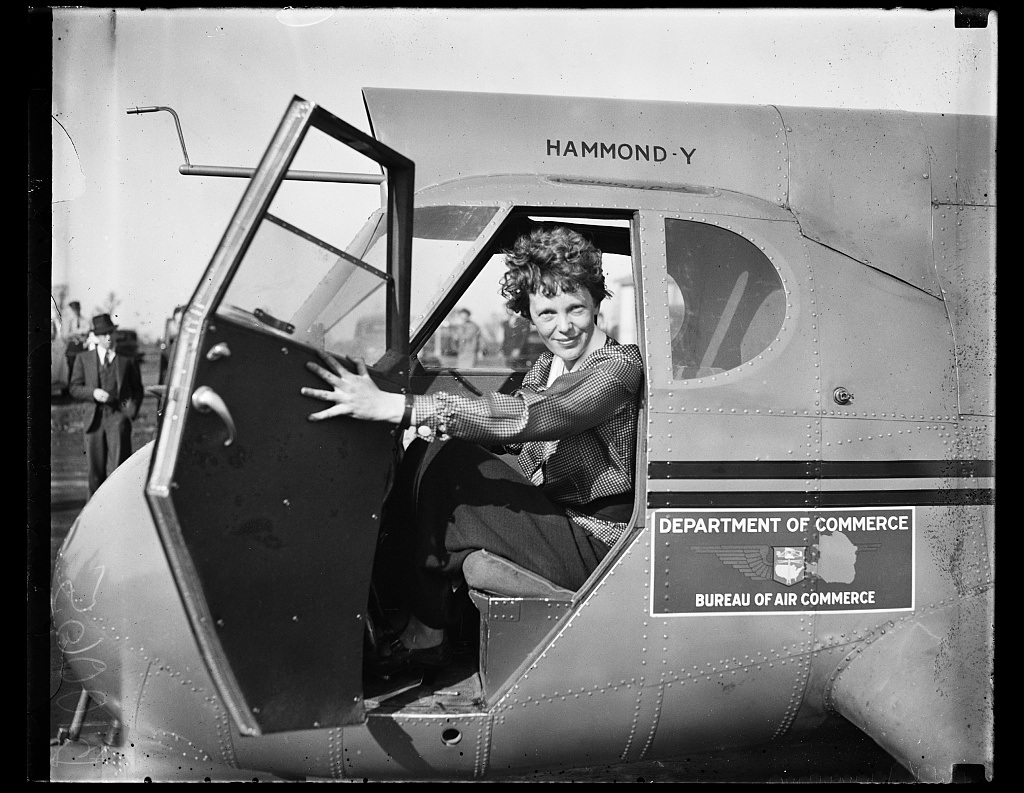
Earhart prepared a Lockheed Electra for an ambitious round-the-world journey. An initial westward attempt in March 1937 ended after a takeoff accident in Hawaii damaged the aircraft.
After repairs, she tried again, traveling eastward with navigator Fred Noonan. They departed Miami on June 1 and crossed South America, Africa and Asia before reaching Lae, New Guinea.
On July 2, they left Lae for Howland Island, a tiny destination in the Pacific. The U.S. Coast Guard cutter Itasca waited nearby to assist. Finding the island after a long over-water flight required navigation and radio coordination under difficult conditions.
The surviving communications document problems, not a complete explanation. The Itasca radio log preserved by the National Archives records messages from the aircraft, including difficulty communicating and a final received transmission referring to a navigational line. It does not establish a verified crash location.
What Happened to Amelia Earhart?
Earhart and Noonan disappeared on that flight. A major search failed to find them or their aircraft. Earhart was declared legally dead in 1939.
The exact circumstances of their deaths remain unresolved. Claims about a particular wreck, set of remains or survival story should not be confused with established identification. Archival records can clarify what people reported and what searchers did without proving every later theory.
The Smithsonian’s review of the disappearance separates documented events from speculation. The National Archives’ Earhart records collection provides further material for examining the evidence.
A Legacy Larger Than a Mystery
Earhart was not the first woman to fly, and aviation history includes many other accomplished women. Her distinctive influence came from the combination of record flights, public communication and a sustained argument for opportunity.
The mystery remains compelling. But the more complete historical question is not only where her last flight ended. It is how a woman who had to find money for lessons became someone whose achievements changed what millions of people believed women could do.
Get Your Images Done Too
If you want your photos bringing back to life, send me a message on any of my social media accounts.
Follow me across social media for historical photo restorations, AI colorizations, and videos bringing the past to life!