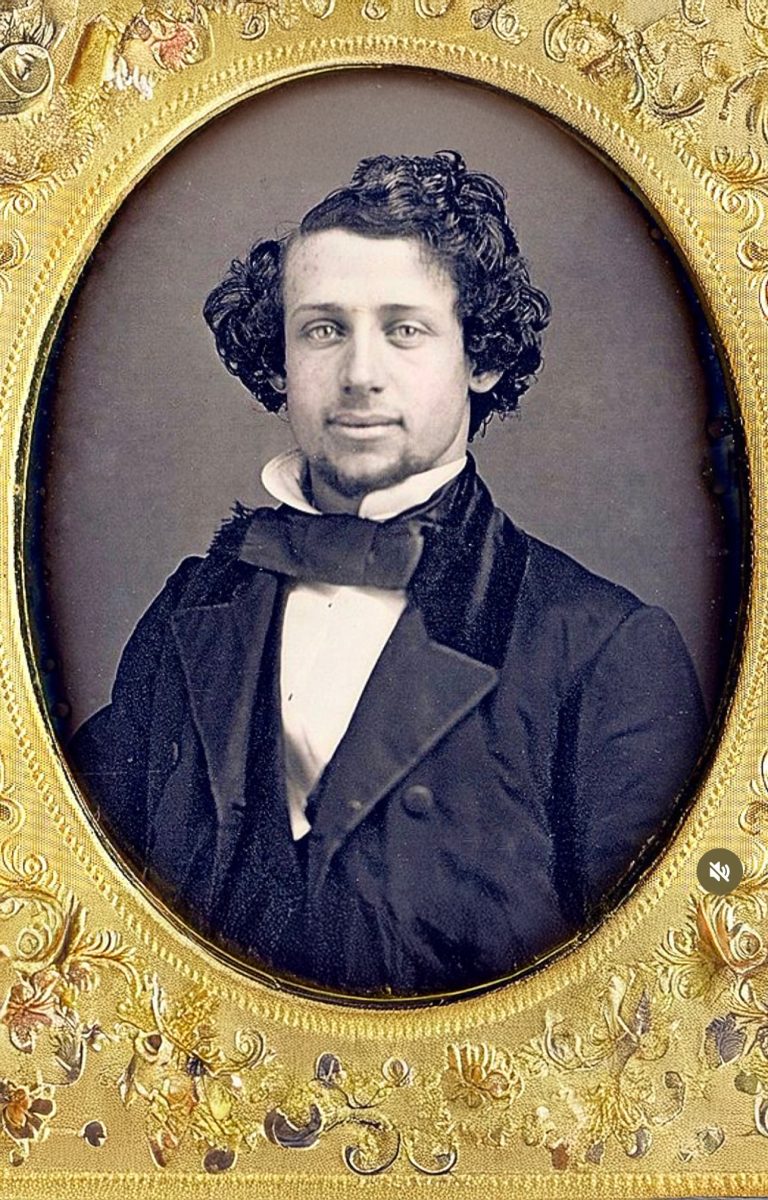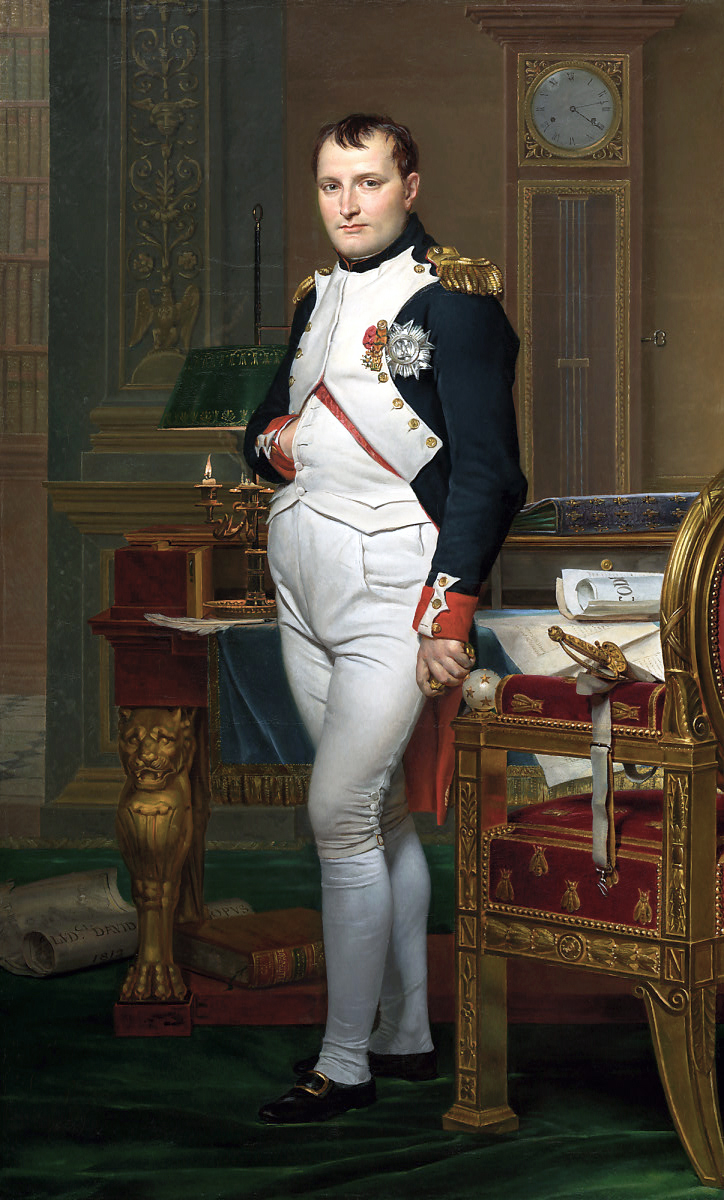
US Presidents 11–15: Polk to Buchanan and the Road to Civil War
Between 1845 and 1861, the United States gained vast western territories and moved closer to civil war. Maps changed, new states entered the Union, and American ships pushed into Pacific waters. Yet every apparent advance raised a question that political leaders could not settle: would slavery expand with the country?
In this third part of our presidential series, we meet US presidents 11–15: James K. Polk, Zachary Taylor, Millard Fillmore, Franklin Pierce and James Buchanan. Their stories show why gaining territory and holding a nation together were very different achievements. These were not simply five men waiting for Abraham Lincoln. Their decisions helped shape the crisis he inherited.
US presidents 11–15 at a glance
- 11. James K. Polk: 1845–1849 — Democratic Party.
- 12. Zachary Taylor: 1849–1850 — Whig Party.
- 13. Millard Fillmore: 1850–1853 — Whig Party during his presidency.
- 14. Franklin Pierce: 1853–1857 — Democratic Party.
- 15. James Buchanan: 1857–1861 — Democratic Party.
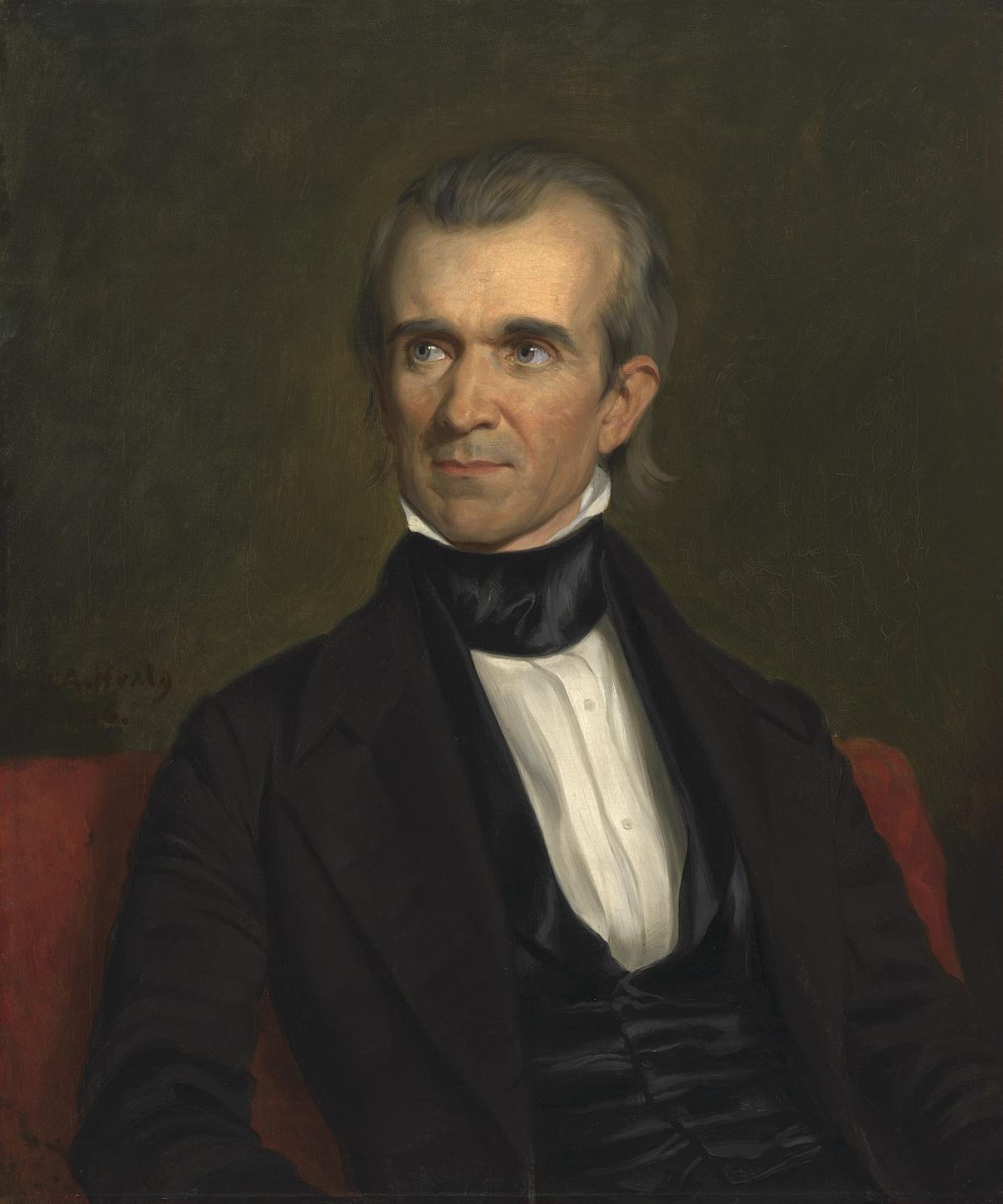
11. James K. Polk: Expansion at a Cost
In office: March 4, 1845–March 4, 1849
Party: Democratic Party
Achievements: The Oregon boundary settlement, a lower tariff and restoration of the Independent Treasury.
Main difficulties: The Mexican-American War, enslavement and intensifying conflict over slavery’s expansion.
Polk’s presidency presents a difficult historical balance. He was highly effective at pursuing a defined programme. But the expansion he celebrated brought war, dispossession and a sharper struggle over slavery. Judging him means asking not only whether he achieved his aims, but who paid for them.
What did Polk achieve?
In the northwest, diplomacy delivered a major territorial settlement. The Oregon Treaty of 1846 established the boundary with Britain largely along the 49th parallel, leaving Vancouver Island British. Instead of fighting Britain for the whole disputed region, Polk accepted a compromise that secured an American Pacific Northwest. The State Department’s history of the Oregon settlement explains the negotiations.
At home, the Walker Tariff of 1846 lowered import duties. Polk also restored the Independent Treasury, separating federal funds from private banks. These measures fulfilled central Democratic policy goals and demonstrate that his administration was about more than acquiring land. The Miller Center details Polk’s domestic programme.
War, slavery and the price of expansion
Texas entered the Union in 1845, but its boundary with Mexico remained disputed. Polk sent troops under Zachary Taylor into the contested area between the Nueces River and the Rio Grande. After fighting broke out, the United States declared war in May 1846.
The Treaty of Guadalupe Hidalgo ended the war in 1848. Mexico ceded an enormous area that included present-day California and much of the Southwest. For the United States, it was a dramatic territorial gain. For Mexico, it was a devastating defeat. The acquisition also intensified the American argument over whether slavery would spread into the new territories. Read the State Department’s account of annexation and the Mexican-American War.
Slavery was not an abstract issue in Polk’s own life. He owned plantations and enslaved people, and continued buying people while president. His household and prosperity depended on coerced labour. The White House Historical Association documents the people enslaved by the Polks.
His legacy: Polk changed the national map and accomplished important policy goals in one term. Those achievements cannot be separated from the war and human exploitation that accompanied them.
12. Zachary Taylor: A Soldier Confronts a Political Crisis
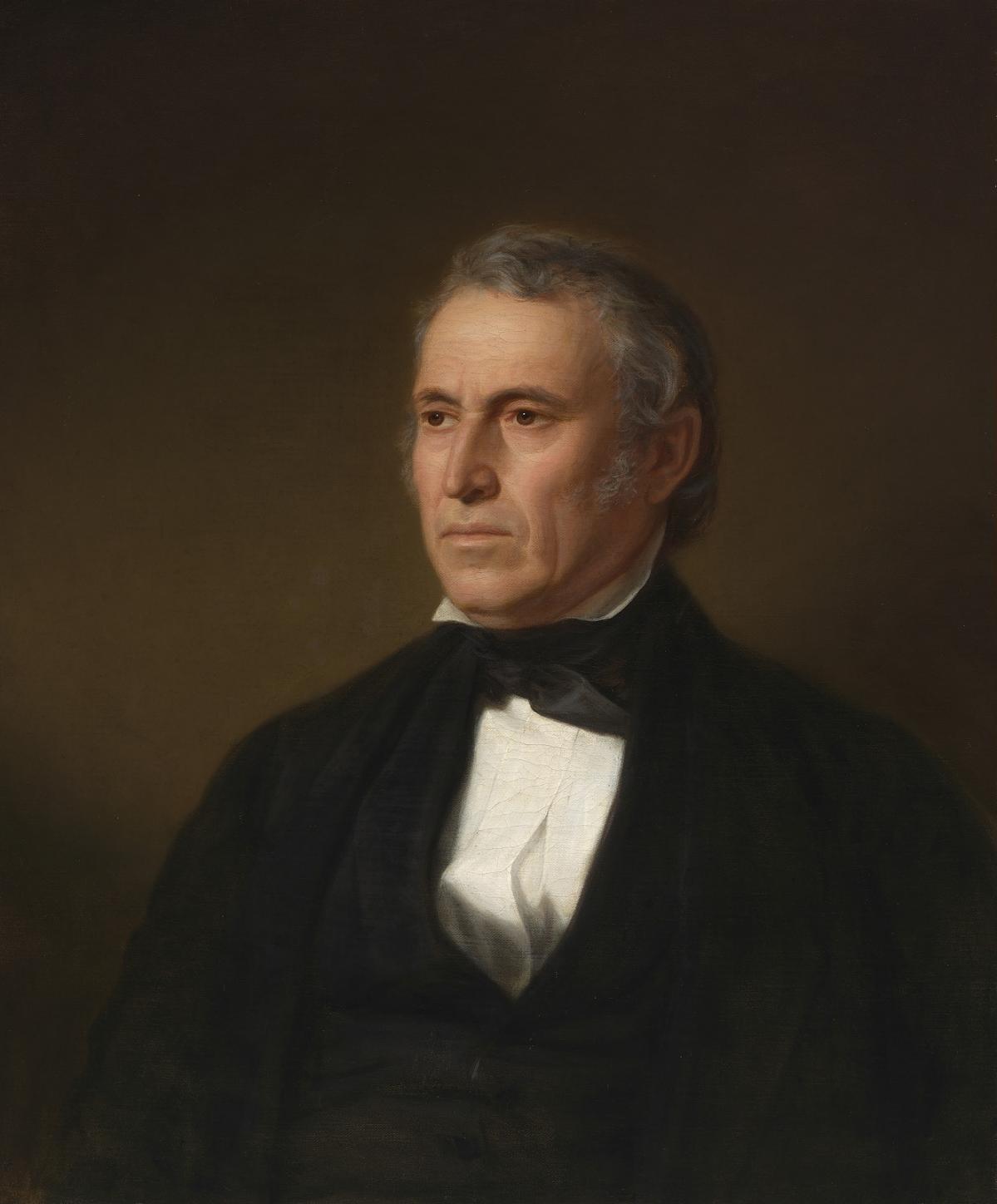
In office: March 4, 1849–July 9, 1850
Party: Whig Party
Achievements: Defended the Union and proposed direct statehood for California and New Mexico; his programme remained unfinished.
Main difficulties: A sectional crisis over slavery and a presidency cut short by his death.
Taylor arrived in the White House with a soldier’s reputation rather than a long career in elected office. His military fame from the war with Mexico helped the Whigs win the presidency in 1848. Now he had to govern a country arguing bitterly about the territories gained in that war.
What did Taylor try to achieve?
Taylor encouraged California and New Mexico to seek statehood, bypassing the usual territorial stage. He hoped this would sidestep a congressional battle over slavery, and expected their constitutions to prohibit it. He also stood firmly against threats of secession. A Southern background did not make him willing to accept the breakup of the Union. The Miller Center explains Taylor’s statehood strategy.
His approach differed from the package of concessions being debated in Congress. Taylor did not sign the Compromise of 1850: its major measures became law under his successor. That distinction matters, because a short presidency can easily disappear into the events immediately after it.
A contradictory position on slavery
Taylor opposed extending slavery into the western territories, but he was not an abolitionist. He was a wealthy enslaver whose plantations depended on the labour of hundreds of people. His political position on expansion should not be mistaken for a commitment to ending slavery where it already existed. The White House Historical Association’s biography places those contradictions side by side.
Taylor died on July 9, 1850, after a sudden gastrointestinal illness, leaving only sixteen months in office. His brief tenure makes sweeping claims about what he would have achieved unreliable. We can judge the choices he made, not an imagined second half of his presidency.
His legacy: Taylor asserted the importance of the Union and proposed a different route through the territorial dispute. His death left that policy unfinished.
13. Millard Fillmore: Compromise and Its Human Consequences
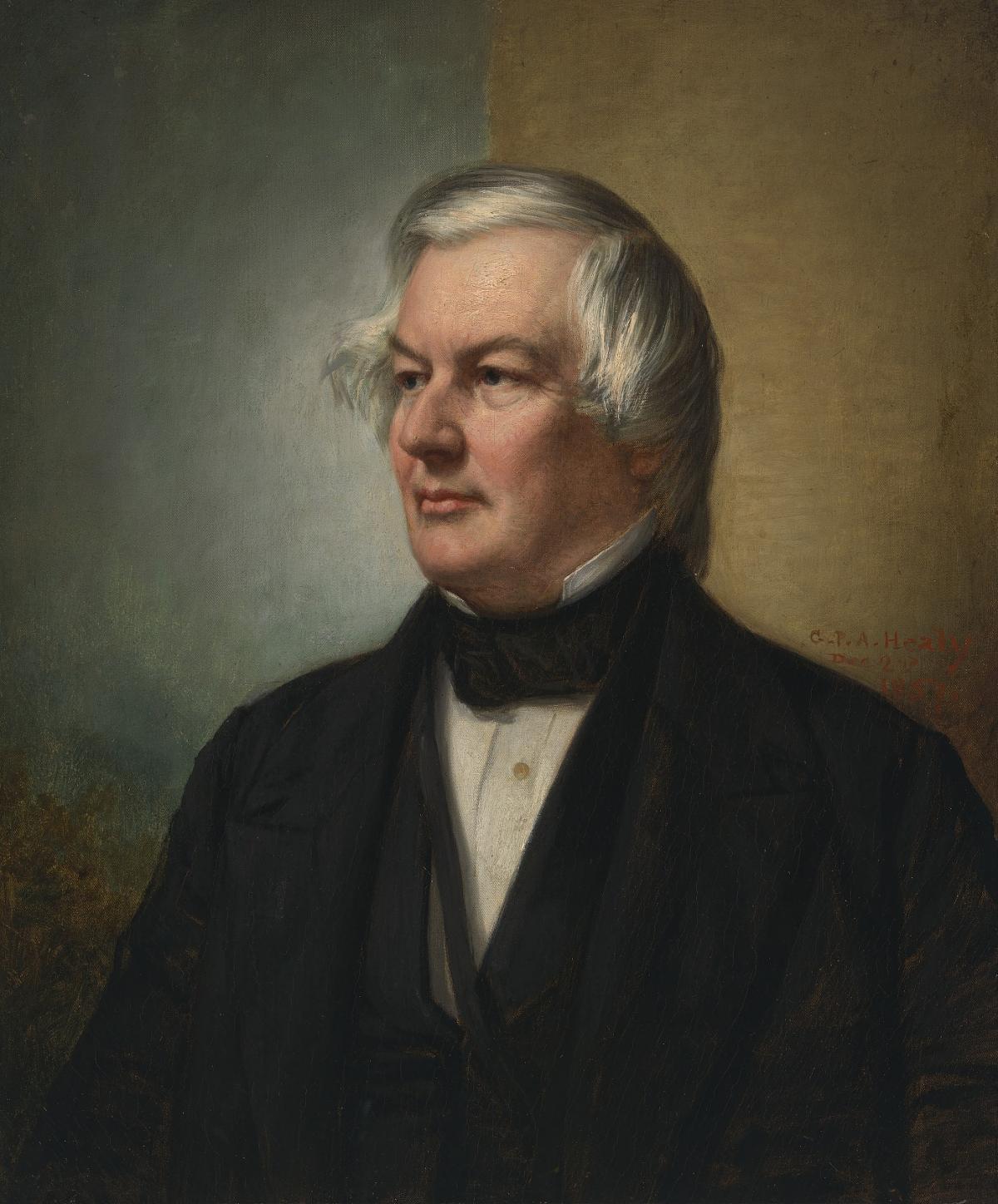
In office: July 9, 1850–March 4, 1853
Party: Whig Party
Achievements: Helped secure the Compromise of 1850, a temporary political settlement.
Main difficulties: Enforced the Fugitive Slave Act, endangering the freedom and safety of Black people.
Fillmore became president when Taylor died. He inherited the same sectional confrontation, but chose a different response: support for a legislative settlement intended to quiet the crisis.
What did Fillmore achieve?
The Compromise of 1850 was not a single law. Congress passed a series of measures, which Fillmore signed. California entered as a free state; the Texas boundary dispute was settled; Utah and New Mexico received territorial governments; and the slave trade, though not slavery itself, was abolished in Washington, D.C. A tougher Fugitive Slave Act formed part of the bargain. The National Archives explains the settlement and preserves its documentary history.
Fillmore also authorised the naval expedition that Commodore Matthew Perry would lead to Japan. The timing deserves care: Perry arrived in 1853 after Fillmore left office, and the Treaty of Kanagawa followed in 1854 under Pierce. It was an important step in Pacific diplomacy, but one backed by American military pressure rather than an equal, freely welcomed exchange. The State Department traces the opening of relations with Japan.
The failure inside the compromise
The Fugitive Slave Act made the federal government more deeply responsible for returning people to enslavement. Alleged fugitives were denied jury trials, making freedom dangerously insecure. For those threatened with capture, the compromise did not mean peace. It meant greater danger. The National Park Service examines the law’s assault on civil liberties.
Fillmore served as a Whig president. His later presidential campaign in 1856 was for the American, or Know-Nothing, Party, whose politics were anti-immigrant and anti-Catholic. The later affiliation should not be substituted for his party while in office. The Library of Congress explains the 1856 contest.
His legacy: Fillmore helped secure a temporary political settlement, but enforced a law that sacrificed the freedom and safety of Black people. Delaying a crisis was not the same as resolving its cause.
14. Franklin Pierce: Expansion Abroad, Violence at Home
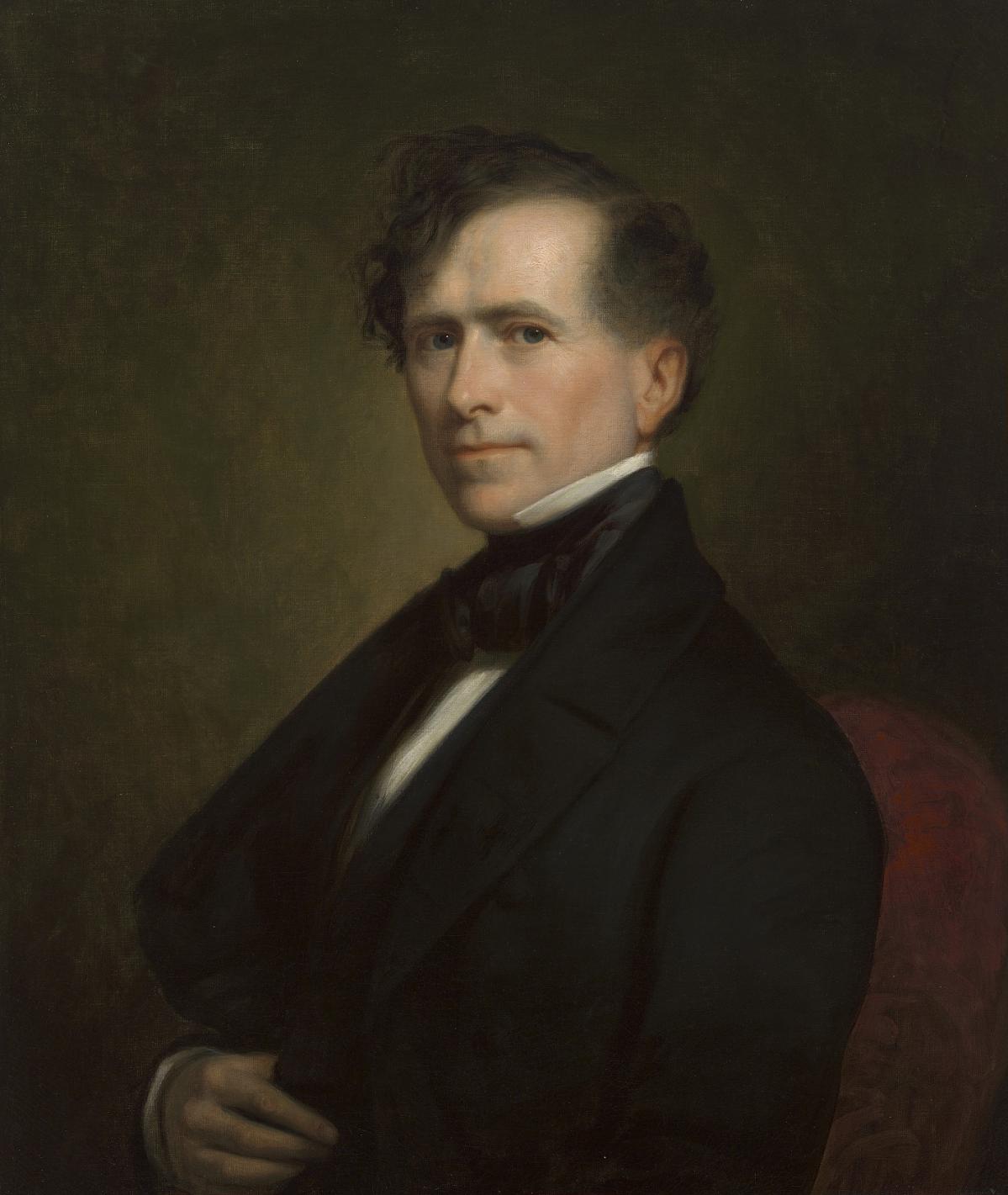
In office: March 4, 1853–March 4, 1857
Party: Democratic Party
Achievements: The Gadsden Purchase and expanded diplomatic and commercial links.
Main difficulties: The Kansas–Nebraska Act deepened sectional conflict and helped unleash violence in Kansas.
Pierce entered office under the shadow of personal tragedy. His only surviving son, Benjamin, died in a railway accident shortly before the inauguration. That loss helps us see the grieving person behind the formal portrait, without excusing the political decisions that followed. The American Presidency Project records the events of his presidency.
What did Pierce achieve?
His administration completed the Gadsden Purchase, acquiring land in what is now southern Arizona and New Mexico from Mexico. The revised agreement took effect in 1854 for $10 million, securing a potential southern transcontinental railway route and addressing border disputes. The State Department explains the purchase and its limitations.
The Treaty of Kanagawa was signed with Japan in March 1854 during Pierce’s presidency. It opened specified ports to American vessels for supplies and assistance, rather than immediately creating unrestricted trade. The expedition had begun under Fillmore; its result belongs to the story of both administrations. The National Archives examines Perry’s mission and the treaty.
Kansas-Nebraska and a disastrous political choice
Pierce signed the Kansas-Nebraska Act in 1854. It repealed the Missouri Compromise’s restriction on slavery in the affected northern territory and promoted “popular sovereignty”: allowing settlers to decide the question. What sounded like a procedural solution instead opened a struggle over who would control the new territories. Read about the act at the National Archives.
Fraudulent elections, rival governments and violent confrontations followed in Kansas. Proslavery forces attacked Lawrence in 1856; John Brown and his followers killed five proslavery men at Pottawatomie. Pierce’s support for the proslavery territorial authorities deepened Northern distrust. His party passed him over for renomination in 1856. The Miller Center describes the collapse of his domestic policy.
His legacy: Territorial and diplomatic gains could not outweigh his contribution to the escalating struggle over slavery. His presidency shows how a political formula can make a conflict worse when power and rights are profoundly unequal.
15. James Buchanan: The Union Breaks Apart
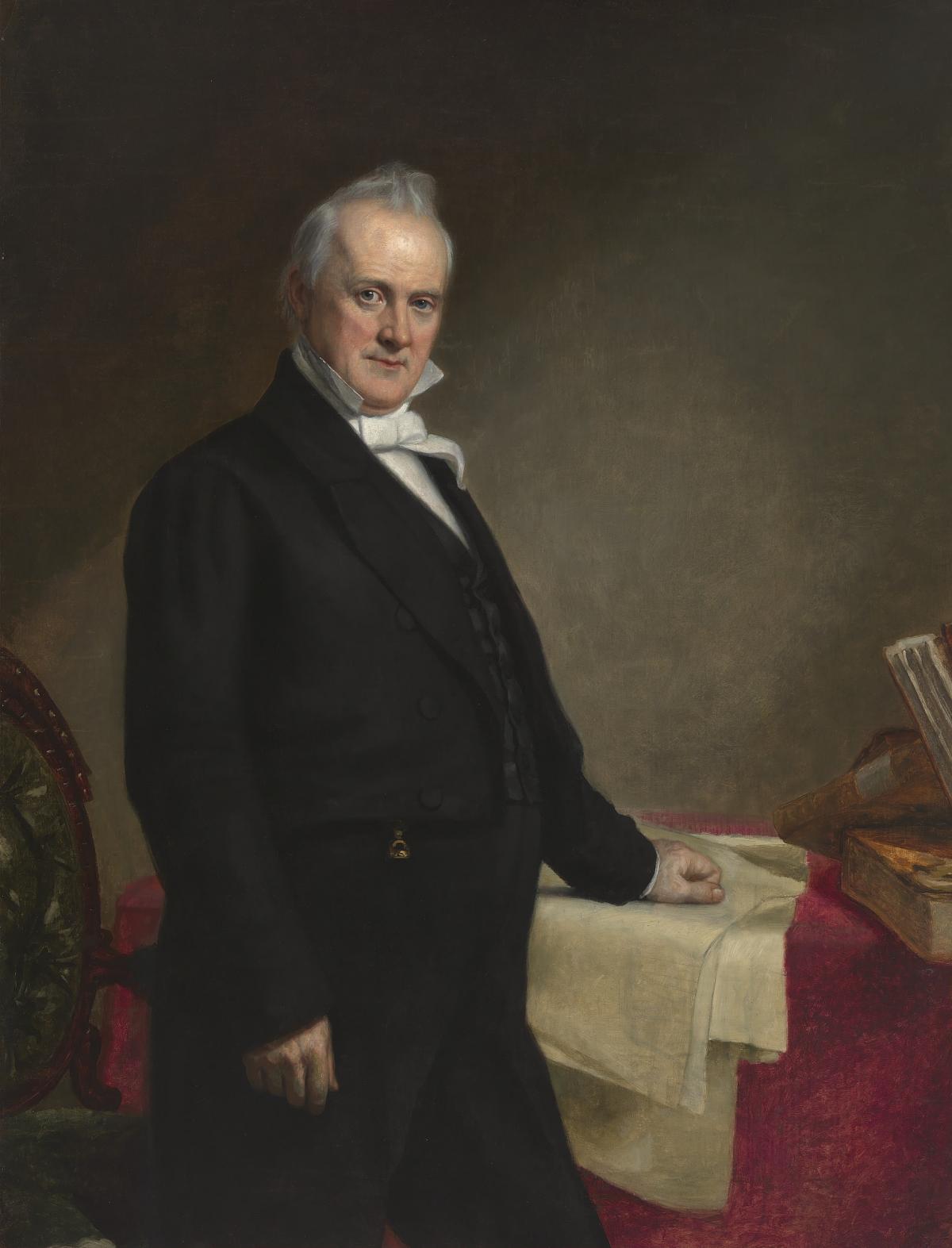
In office: March 4, 1857–March 4, 1861
Party: Democratic Party
Achievements: Oversaw the admission of Minnesota, Oregon and Kansas; his presidency produced few durable successes.
Main difficulties: Support for proslavery policies, the Dred Scott controversy and failure to contain secession.
Buchanan is a reminder that experience is not the same as effective leadership. He faced a crisis that earlier compromises had failed to settle, and repeatedly treated concessions to slaveholding interests as a route to national peace.
What did Buchanan accomplish?
There were limited diplomatic achievements: his administration obtained compensation for damage to American property abroad and transit rights from Nicaragua. Yet its dealings with smaller neighbouring countries often relied on coercion. These gains deserve mention, but they do not balance out the failure at the heart of his presidency. The Miller Center assesses Buchanan’s foreign policy.
Dred Scott, Kansas and secession
In March 1857, the Supreme Court ruled against Dred Scott’s freedom claim. Its decision denied federal citizenship to Black people within the class it described and declared that Congress could not prohibit slavery in federal territories. It was a judicial decision, not a law written by Buchanan. The National Archives preserves and explains the ruling.
Nevertheless, Buchanan supported the decision and had privately encouraged a Northern justice to join the Southern majority. He also backed Kansas’s proslavery Lecompton Constitution despite its lack of broad support. This damaged his credibility and deepened the split within his own party. The Miller Center traces Buchanan’s role in these disputes.
After Lincoln won the 1860 election, South Carolina seceded on December 20. Other Southern states followed before Buchanan left office. His efforts failed to halt the disintegration of the Union. The National Park Service recounts the December crisis.
It is too simple to say that he did absolutely nothing. His administration attempted to reinforce Fort Sumter using the Star of the West, which was fired on and turned back in January 1861. But that failed mission could not reverse the larger political collapse. The Naval History and Heritage Command documents the episode.
His legacy: Buchanan left office with the Union breaking apart. His presidency illustrates the danger of mistaking appeasement of an injustice for a lasting settlement.
Five Presidents, One Unresolved Crisis
These five presidencies connected continental expansion to national fracture. Polk acquired territory; Taylor and Fillmore struggled over its political future; Pierce reopened the slavery question in Kansas; and Buchanan watched the Union break apart.
The Civil War was not a simple chain of events that made individual choices irrelevant. Each administration had decisions to make. Their record asks us to look beyond a list of achievements and consider whose freedom, security and future those achievements served.
For the next chapter, explore our article on Abraham Lincoln’s life, presidency and death.
About the Historical Portraits
The five images are authentic historical paintings, not photographs or AI-generated likenesses. They come from the National Portrait Gallery, Smithsonian Institution, and are designated public domain under CC0. Each caption links to its individual museum record. See the Smithsonian Open Access guidance for reuse information.
If you want your photos bringing back to life, send me a message on any of my social media accounts. Follow me across social media for historical photo restorations, AI colorizations, and videos bringing the past to life!
Instagram: https://www.instagram.com/bringing_history_to_life/
Facebook: https://www.facebook.com/bringinghistory2life | TikTok: https://www.tiktok.com/@bringing_history_to_life | YouTube: https://www.youtube.com/@bringing_history_to_life