US Presidents 16–20: Lincoln to Garfield and the Fight for Reconstruction
A president shot at the theatre. A successor impeached by Congress. A victorious general confronting racial terrorism. A disputed election settled by a commission. Another president struck down at a railway station. Between 1861 and 1881, the White House stood at the centre of some of America’s most consequential struggles.
In part four of our series, US presidents 16–20 take us from Abraham Lincoln to James A. Garfield. The central question changed during these years. First came the fight to preserve the Union and destroy slavery. Then came the harder, unfinished task of making freedom meaningful in everyday life.
US Presidents 16–20 at a Glance
- 16. Abraham Lincoln: 1861–1865 — Republican; reelected on the National Union ticket.
- 17. Andrew Johnson: 1865–1869 — Democrat; elected vice president on the National Union ticket.
- 18. Ulysses S. Grant: 1869–1877 — Republican.
- 19. Rutherford B. Hayes: 1877–1881 — Republican.
- 20. James A. Garfield: 1881 — Republican.
The National Union label needs explanation. In 1864, Republicans and pro-war Democrats formed a temporary electoral coalition. Lincoln remained a Republican, while Johnson was a Democrat who supported the Union. Sharing a ticket did not mean sharing the same vision of the postwar country. The Library of Congress explores the coalition and its campaign.
16. Abraham Lincoln: Preserving the Union, Transforming Freedom
In office: March 4, 1861–April 15, 1865
Party: Republican; National Union ticket in 1864
Achievements: Helped preserve the Union and made emancipation and constitutional abolition national commitments.
Main difficulties: Civil war, enormous loss of life, contested wartime powers and assassination.
Lincoln entered office with the Union already breaking apart. His presidency became a test of whether the United States could survive secession, and whether the war could end without confronting the institution at its heart: slavery.
What did Lincoln achieve?
His greatest achievements were leadership of the Union war effort and his decisive contribution to emancipation. The Emancipation Proclamation, issued on January 1, 1863, declared enslaved people free in designated areas still in rebellion. It did not immediately abolish slavery everywhere, and its enforcement depended on Union military success. Nevertheless, it changed the purpose and possibilities of the war. The National Archives preserves the proclamation.
Lincoln also pressed for the Thirteenth Amendment. Congress approved it in January 1865; the states ratified it in December, after his death. It abolished slavery and involuntary servitude, except as punishment following conviction for a crime. The distinction between proclamation and amendment matters: one was a wartime measure with geographical limits; the other changed the Constitution. Read the amendment and its history.
Even during the war, his administration helped shape the country’s economic future. The Homestead Act, Morrill Land-Grant College Act and Pacific Railroad Act of 1862 encouraged settlement, higher education and a transcontinental railway. These policies expanded opportunity for many Americans while accelerating expansion into the West. The Library of Congress places these laws in their wartime setting.
Power, rights and an unfinished presidency
Lincoln’s use of emergency authority remains a central controversy. His suspension of habeas corpus restricted the ability of detainees to challenge imprisonment in court. He argued that extraordinary measures were necessary to save the Union; critics saw a dangerous expansion of presidential power. The question was not merely whether the country would survive, but what limits would restrain government during the struggle. The National Park Service examines Lincoln’s constitutional decisions.
John Wilkes Booth shot Lincoln on April 14, 1865. He died the next morning, just as Union victory was becoming certain. His plans for Reconstruction therefore remained unfinished. The presidency he might have conducted after the war belongs to speculation, not established history. The National Archives records the succession.
His legacy: Lincoln helped preserve the United States and make abolition a national commitment. He did not act alone: enslaved people, Black soldiers, abolitionists, Congress and Union forces all helped bring freedom into being.
17. Andrew Johnson: A Restoration That Failed the Freed People
In office: April 15, 1865–March 4, 1869
Party: Democratic; elected vice president on the National Union ticket
Achievements: His administration acquired Alaska in 1867.
Main difficulties: Obstructed Reconstruction and Black civil rights, clashed with Congress and was impeached.
Johnson inherited the presidency at a moment of enormous possibility. Slavery was ending, but the position of formerly enslaved people remained uncertain. Would freedom include security, education, voting rights and an effective voice in government? Johnson’s answer brought him into bitter conflict with Congress.
What did Johnson accomplish?
The clearest lasting diplomatic achievement of his administration was the purchase of Alaska from Russia. Secretary of State William H. Seward negotiated the 1867 agreement for $7.2 million. It added an immense northern territory to the United States. The surviving payment document makes the transaction unusually tangible: a country-changing acquisition preserved on a Treasury check. See the check and treaty history at the National Archives.
But a territorial acquisition cannot stand in for success at the administration’s defining task. Reconstruction concerned the lives and rights of millions of people, not simply the restoration of state governments.
Reconstruction and impeachment
Johnson favoured a rapid, lenient restoration of the former Confederate states. His pardons helped former Confederate leaders regain influence, while Southern governments introduced Black Codes restricting the freedom of the newly emancipated population. The result exposed the difference between ending legal slavery and protecting meaningful liberty. The National Park Service outlines the rival Reconstruction plans.
Johnson opposed measures intended to protect freed people’s rights and repeatedly clashed with the Republican-controlled Congress. The immediate trigger for impeachment was his removal of Secretary of War Edwin Stanton in defiance of the Tenure of Office Act. The House impeached him in February 1868. The Senate failed to reach the two-thirds majority required for conviction, leaving him in office by a single vote. Impeachment did not itself remove him. The Senate’s history explains the constitutional confrontation.
His legacy: Johnson’s defence of white political power obstructed the opportunity to build a more equal postwar society. Alaska was a significant acquisition; it did not redeem his Reconstruction record.
18. Ulysses S. Grant: Defending Rights, Struggling with Government
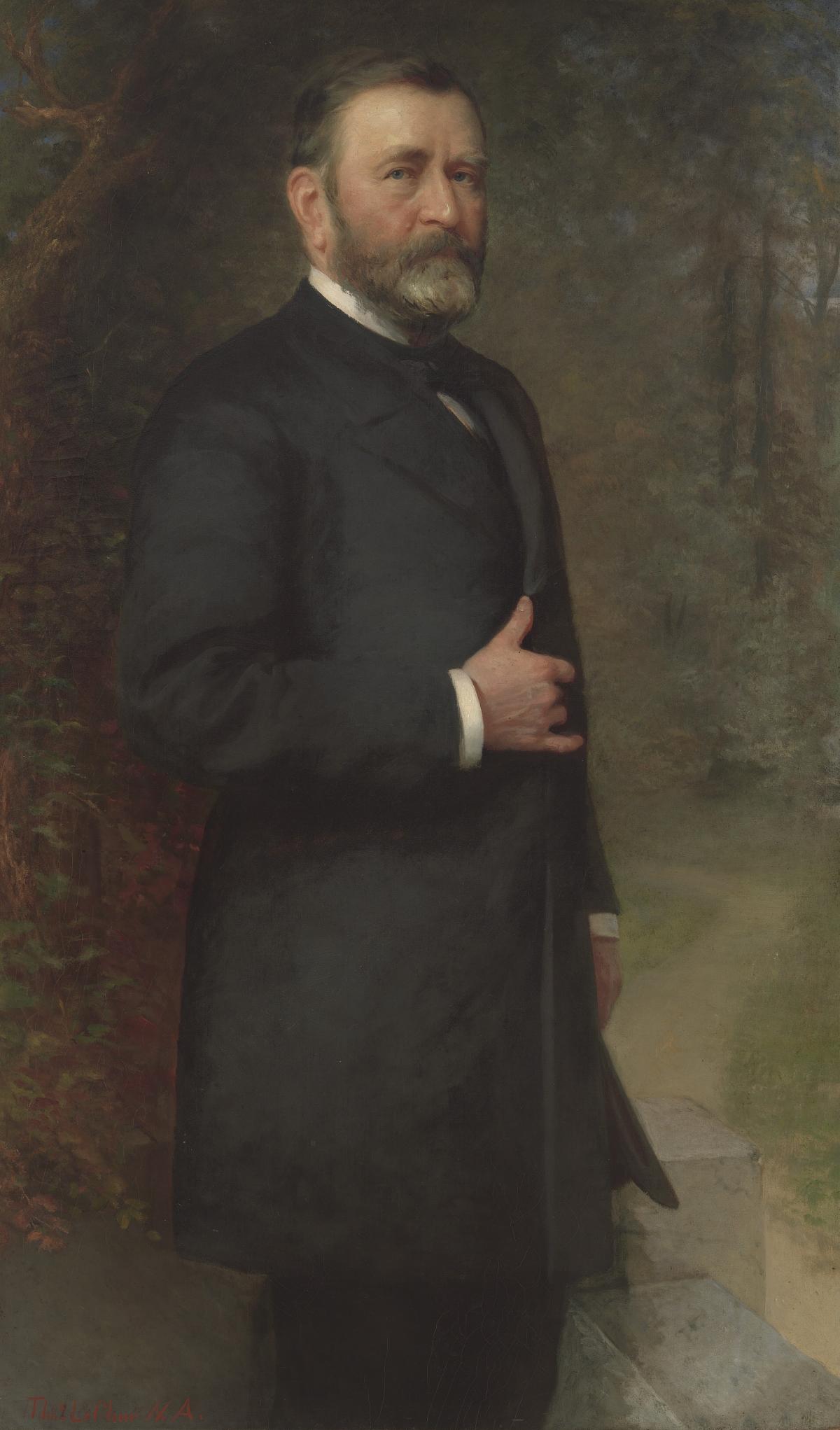
In office: March 4, 1869–March 4, 1877
Party: Republican Party
Achievements: Enforced Black citizenship rights, confronted the Ku Klux Klan and advanced international arbitration.
Main difficulties: Corruption scandals, economic depression and harmful policies towards Native Americans.
Grant brought the authority of a Union war hero to the presidency. But governing a divided country required different skills from directing armies. His record combines important efforts to protect Black citizenship with corruption scandals, economic distress and destructive policies towards Native peoples.
What did Grant achieve?
Grant used the Enforcement Acts against the Ku Klux Klan’s campaign of intimidation and violence. Federal intervention and prosecutions seriously weakened the organisation in the early 1870s. This was an important assertion that constitutional rights required more than promises on paper. Local authorities were often unwilling to protect the people being terrorised. The National Park Service explains the legislation and its impact.
His administration also helped resolve the Alabama claims against Britain, arising from Confederate warships built in British shipyards. The Treaty of Washington in 1871 led to international arbitration and an award of $15.5 million to the United States in 1872. Negotiation replaced a dangerous lingering dispute with a peaceful settlement. The State Department describes this diplomatic success.
In 1872, Grant signed the law establishing Yellowstone as a national park. It was another lasting institutional achievement of a presidency too often reduced to a single word: scandal. The National Park Service surveys his presidential record.
Scandals and the limits of protection
Grant’s loyalty to associates could become a serious weakness. Corruption reached senior levels of his administration, including the Whiskey Ring tax-evasion scandal. He was not proved to have personally joined that fraud, but his defence of his private secretary damaged confidence in his judgement. Meanwhile, the Panic of 1873 brought a severe depression, and Northern commitment to Reconstruction weakened. Grant’s defence of Black rights was important but inconsistent. The Miller Center assesses these domestic difficulties.
His so-called Peace Policy towards Native Americans also deserves scrutiny. It promoted missionary influence and assimilation while settlers encroached on Native lands. A policy presented as humane could still undermine Indigenous autonomy and culture. Its name should not be mistaken for its outcome. The National Park Service discusses these consequences alongside Grant’s civil-rights record.
His legacy: Grant made the federal government a defender of Black citizenship at a crucial moment. That achievement belongs beside, not underneath, the scandals and failures that also marked his years in office.
19. Rutherford B. Hayes: Reform and Retreat
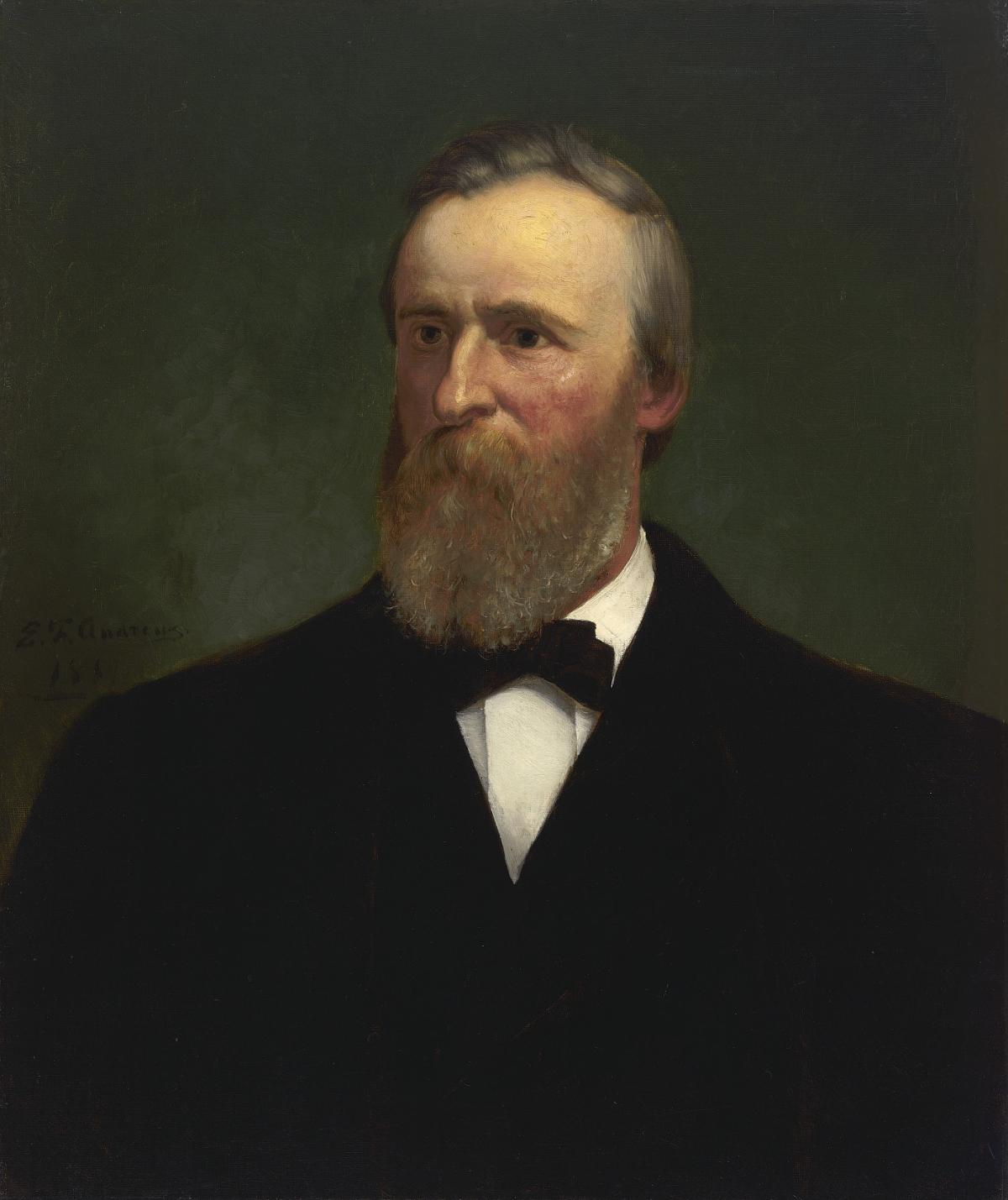
In office: March 4, 1877–March 4, 1881
Party: Republican Party
Achievements: Supported civil-service reform and financial stability.
Main difficulties: The disputed election and withdrawal of federal protection for Black political rights in the South.
Hayes entered office after a bitterly disputed election. In 1876, contested electoral returns left the outcome unresolved. Congress created an Electoral Commission, and the eventual count gave Hayes 185 electoral votes to Samuel J. Tilden’s 184. The narrow result shadowed his authority from the beginning. The National Archives explains the official outcome.
What did Hayes achieve?
Hayes challenged the use of government jobs as rewards for party loyalty. His executive orders sought a more professional civil service, including rules for the New York Custom House. Such changes did not create a comprehensive merit system, but they challenged powerful interests within his own party. His February 1879 order shows the practical direction of his reform efforts.
His administration also successfully implemented the resumption of gold payments for paper currency in 1879, under legislation passed before he became president. It was a significant financial achievement, although debates over money reflected deep differences between creditors, debtors and working people. The Miller Center examines Hayes’s economic and domestic programme.
The end of Reconstruction’s federal protection
Hayes withdrew troops protecting the remaining Republican state governments in Louisiana and South Carolina. This is commonly treated as the end of Reconstruction. It did not mean every federal soldier departed the South. It meant the end of a crucial form of federal support for those governments. Promises to respect Black rights proved unreliable, and white supremacist power became more firmly entrenched. The Miller Center describes the decision and its consequences.
The Great Railroad Strike of 1877 revealed another national fracture. After wage cuts helped ignite widespread unrest, Hayes sent federal troops to restore order. The confrontation exposed the tensions between workers, employers and a government increasingly drawn into industrial disputes. The Library of Congress provides contemporary material on the strike.
His legacy: Hayes advanced administrative reform and financial stability, but his presidency also marked a retreat from the protection of Black political rights. “Reconciliation” between white political leaders could leave other Americans dangerously exposed.
20. James A. Garfield: A Presidency Cut Short
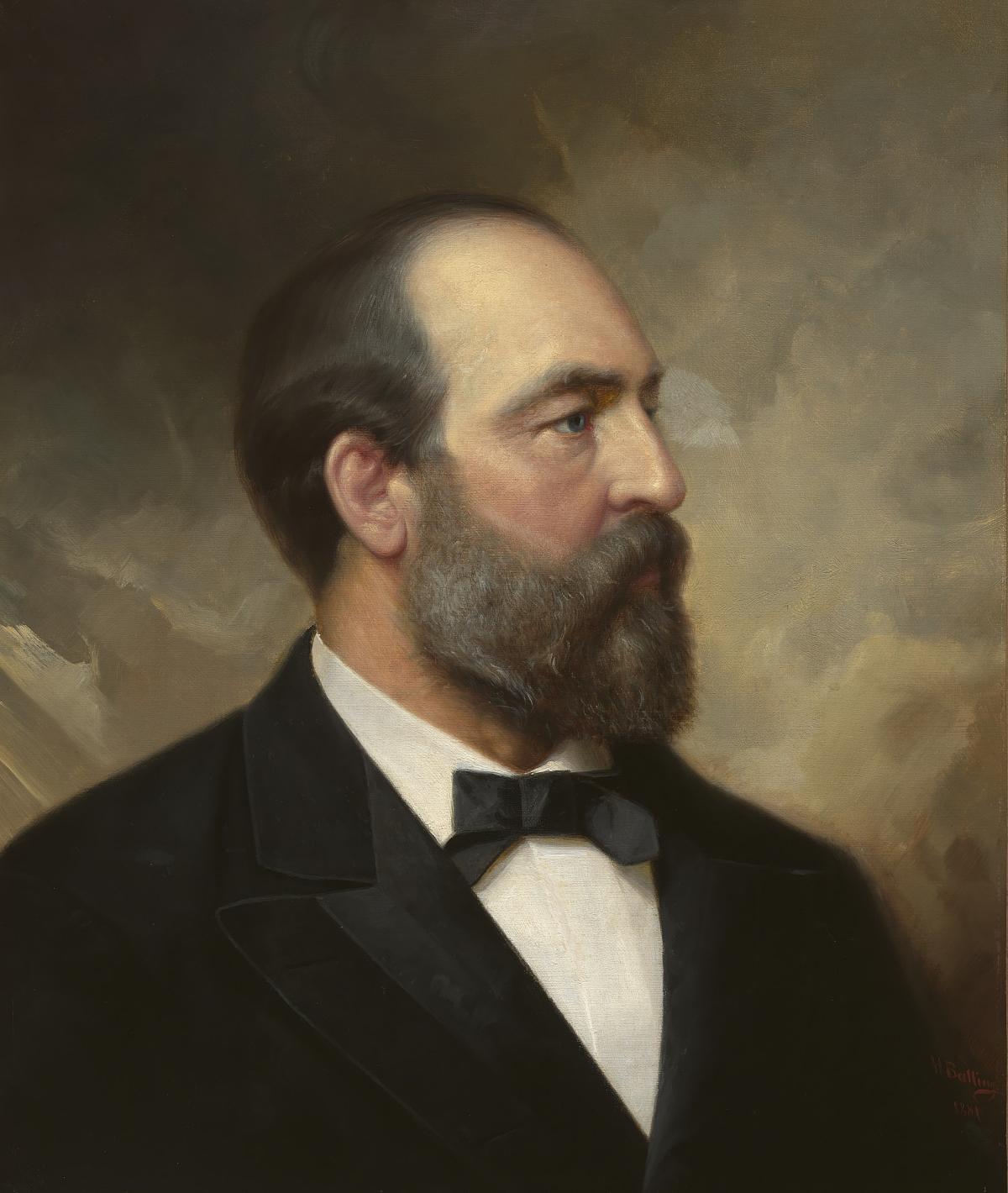
In office: March 4, 1881–September 19, 1881
Party: Republican Party
Achievements: Asserted presidential independence in appointments and began administrative reforms.
Main difficulties: Party patronage conflict and assassination left a very short, unfinished presidency.
Garfield’s presidency lasted little more than six months, much of it overshadowed by the wound that killed him. A fair account must separate the things he actually accomplished from the possibilities his death left unrealised.
What did Garfield achieve?
He asserted presidential control over appointments in a struggle with Senator Roscoe Conkling’s political organisation. The dispute centred on the valuable New York port collectorship. Garfield’s success challenged the expectation that powerful senators could dictate federal appointments in their states. His Treasury also refinanced high-interest government debt at lower rates, reducing its cost. The Miller Center describes these early achievements.
Garfield’s administration began investigating corruption in postal contracts known as the Star Route scandal. It was a concrete test of whether reform would reach politically connected people. The National Park Service discusses the investigations and his Washington relationships.
In his inaugural address, Garfield linked the promise of equal citizenship to education and the protection of constitutional rights. These were commitments, not a completed programme. His short time in office gives us too little evidence to claim that he would have solved the problems his predecessors left behind. Read his inaugural address.
Assassination and an indirect legacy
Charles Guiteau shot Garfield on July 2, 1881. The president endured weeks of suffering and damaging medical treatment before dying on September 19. His assassination became associated with the poisonous culture of office-seeking and party patronage. The National Park Service explains the political background.
Public pressure for reform helped lead to the Pendleton Act of 1883, signed by Chester A. Arthur. Garfield’s death helped build momentum, but it would be inaccurate to list the law as something he signed or implemented. The National Archives explains the reform.
His legacy: Garfield demonstrated independence and began useful reforms, but his presidency remains a story of a limited record and lost possibilities rather than a long list of completed achievements.
What Did These Five Presidencies Change?
Lincoln’s era destroyed slavery as a legal institution. The presidencies that followed revealed how fiercely the meaning of freedom would be contested. Constitutional amendments, federal enforcement and new opportunities existed alongside racial terror, political retreat and unequal access to power.
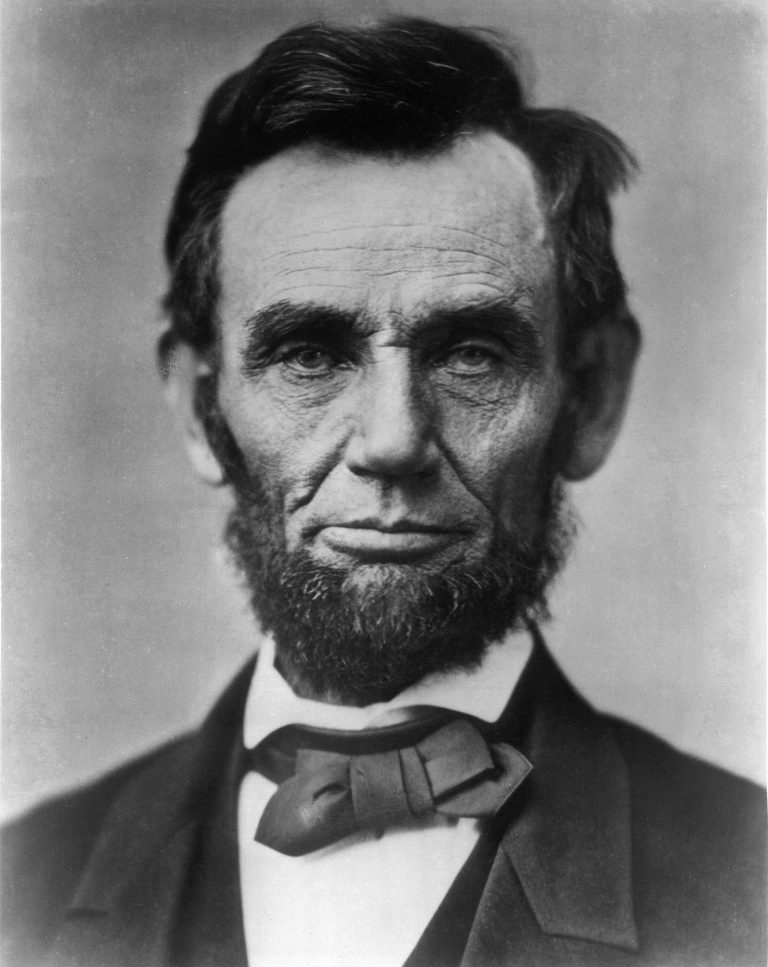
These stories also remind us that presidential history is not a solitary performance. Congress, courts, voters, workers and communities shaped what each president could do. For a closer look at the first figure in this chapter, read our full article on Abraham Lincoln’s life and presidency.
About the Historical Portraits
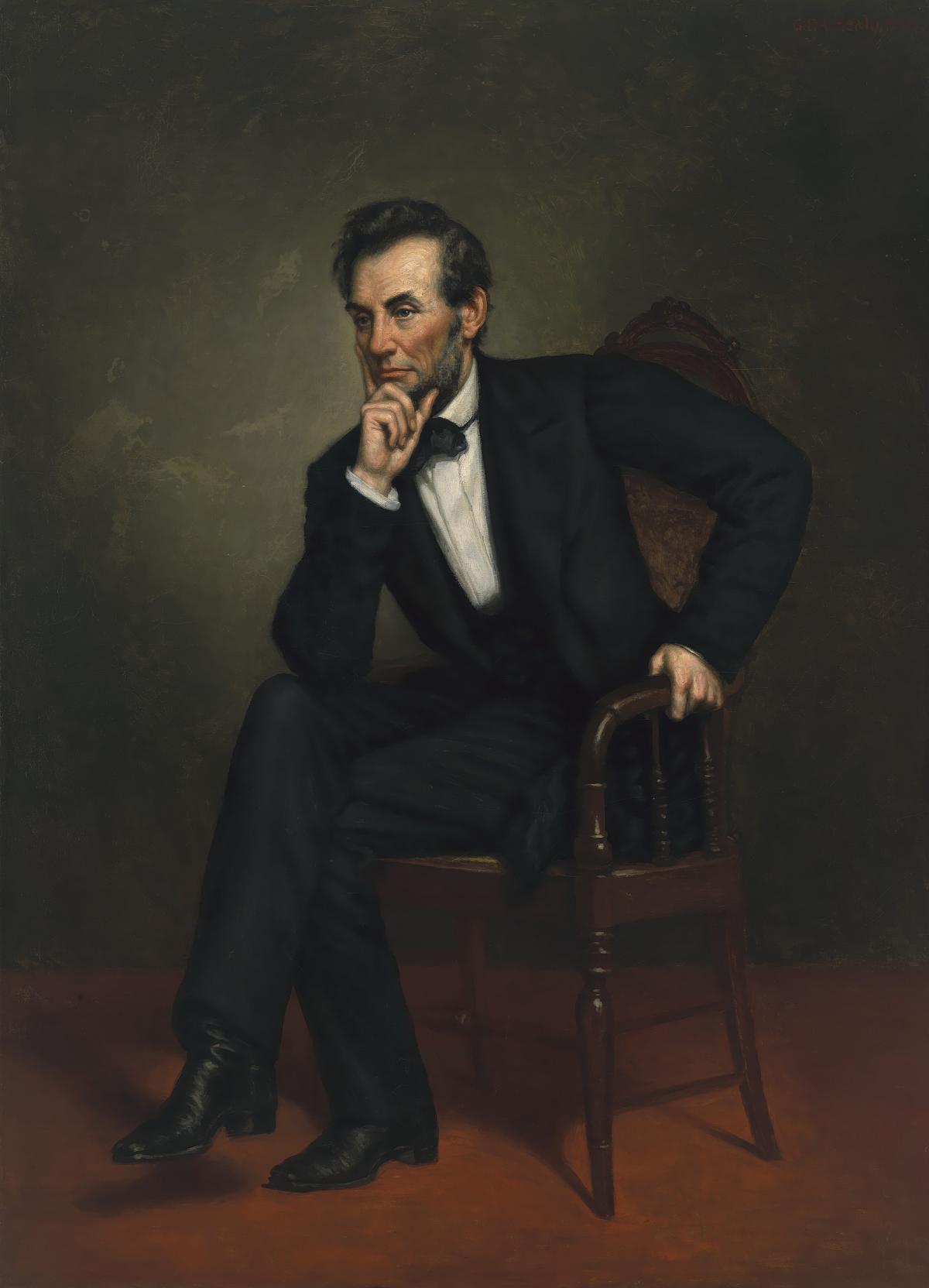
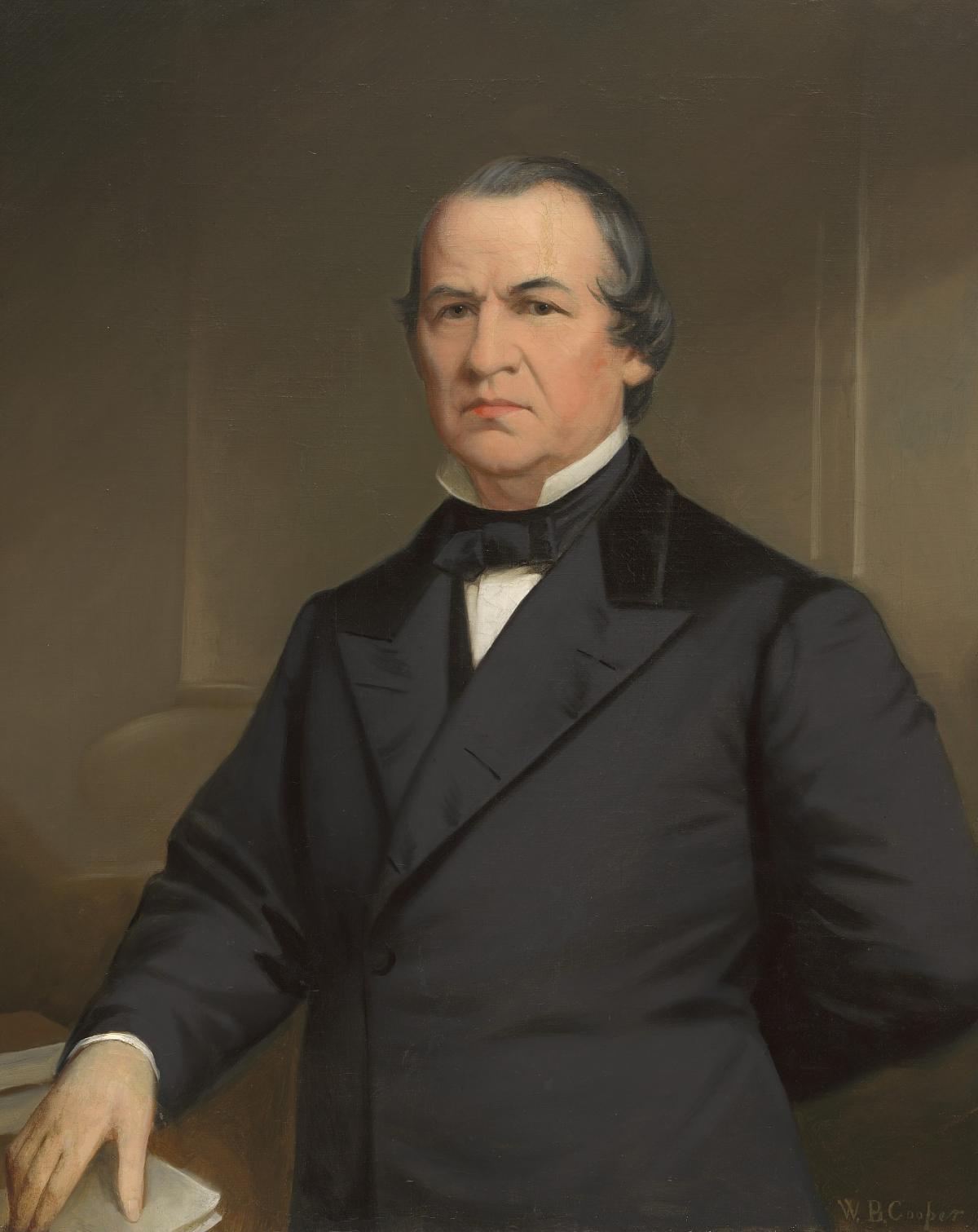
These are authentic paintings from the National Portrait Gallery, Smithsonian Institution, designated public domain under CC0. The Lincoln portrait was painted after his death; artwork dates are not dates of presidential service. Individual museum records are linked in the captions. See the Smithsonian Open Access guidance.
If you want your photos bringing back to life, send me a message on any of my social media accounts. Follow me across social media for historical photo restorations, AI colorizations, and videos bringing the past to life!
Instagram: https://www.instagram.com/bringing_history_to_life/
Facebook: https://www.facebook.com/bringinghistory2life | TikTok: https://www.tiktok.com/@bringing_history_to_life | YouTube: https://www.youtube.com/@bringing_history_to_life