From William Howard Taft to Herbert Hoover: Reform, War and the Great Depression
American Presidents, Part 6
In 1909, the United States was debating how far government should go in regulating a powerful industrial economy. By 1933, it faced mass unemployment, banking failures and a crisis of confidence in the institutions meant to protect prosperity. Between those dates came a world war, the expansion of women’s voting rights and a decade of extraordinary cultural and economic change.
The five presidents in this instalment governed through those upheavals: William Howard Taft, Woodrow Wilson, Warren G. Harding, Calvin Coolidge and Herbert Hoover. Their records resist simple labels. A supposedly conservative president pursued major antitrust cases; a champion of international democracy tolerated racial exclusion at home; and a celebrated humanitarian became associated with hardship.
Looking beyond familiar anecdotes allows their achievements, mistakes and responsibilities to come into sharper focus.
US presidents 27–31 at a glance
- 27. William Howard Taft, 1909–1913: Republican Party.
- 28. Woodrow Wilson, 1913–1921: Democratic Party.
- 29. Warren G. Harding, 1921–1923: Republican Party.
- 30. Calvin Coolidge, 1923–1929: Republican Party.
- 31. Herbert Hoover, 1929–1933: Republican Party.
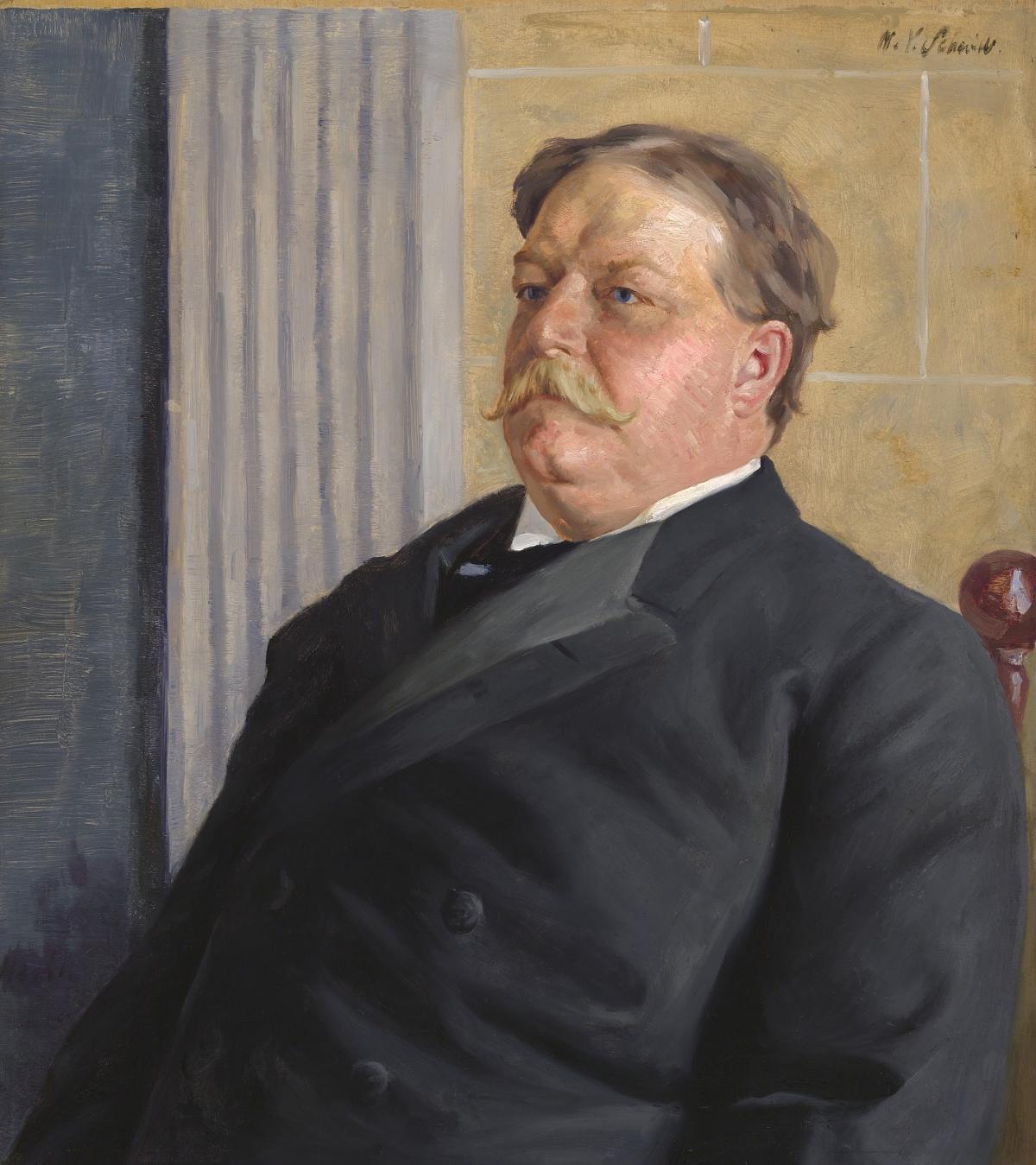
27. William Howard Taft: Reform Through the Law
In office: 1909–1913
Party: Republican
Achievements: Antitrust enforcement, postal savings and stronger railroad regulation
Main difficulties: The Republican split, tariff and conservation disputes, and interventionist dollar diplomacy
Taft arrived at the White House with Theodore Roosevelt’s backing and considerable administrative experience. He had been a federal judge, governor-general of the Philippines and secretary of war. His temperament, however, differed markedly from that of his predecessor. He preferred legal procedure and institutional limits to Roosevelt’s expansive, publicity-driven interpretation of presidential leadership. Library of Congress: Taft resource guide.
More than a caretaker
Taft’s administration brought numerous antitrust suits, challenging the concentration of corporate power rather than simply abandoning progressive reform. It also established postal savings and strengthened federal railroad regulation. These achievements complicate the picture of a president remembered mainly for disappointing Roosevelt’s supporters.
Yet political divisions undermined his position. His defence of the Payne-Aldrich Tariff angered Republicans who wanted more substantial tariff reductions. His support for Interior Secretary Richard Ballinger during a conservation dispute, and dismissal of forestry chief Gifford Pinchot, deepened the rupture with the progressive wing. Disagreements concerned both policy and how a president should exercise authority. Archived White House biography.
Investment backed by power
Overseas, Taft and Secretary of State Philander Knox promoted “dollar diplomacy”, using American investment and financial influence to advance national interests. They hoped economic connections would encourage stability and open commercial opportunities. In practice, this approach also involved intervention and pressure on other governments, particularly in Central America and the Caribbean. Financial influence could compromise local sovereignty rather than provide an alternative to imperial power. Office of the Historian: dollar diplomacy.
The Republican split became decisive in 1912. Roosevelt challenged Taft, then ran on the Progressive ticket after Taft secured the Republican nomination. Woodrow Wilson won the presidency. Taft later found a role closer to his ambitions when Harding appointed him chief justice in 1921. He remains the only person to have served as both president and chief justice, a reminder that his career cannot be measured solely by one troubled presidential term. Library of Congress: Taft’s career.
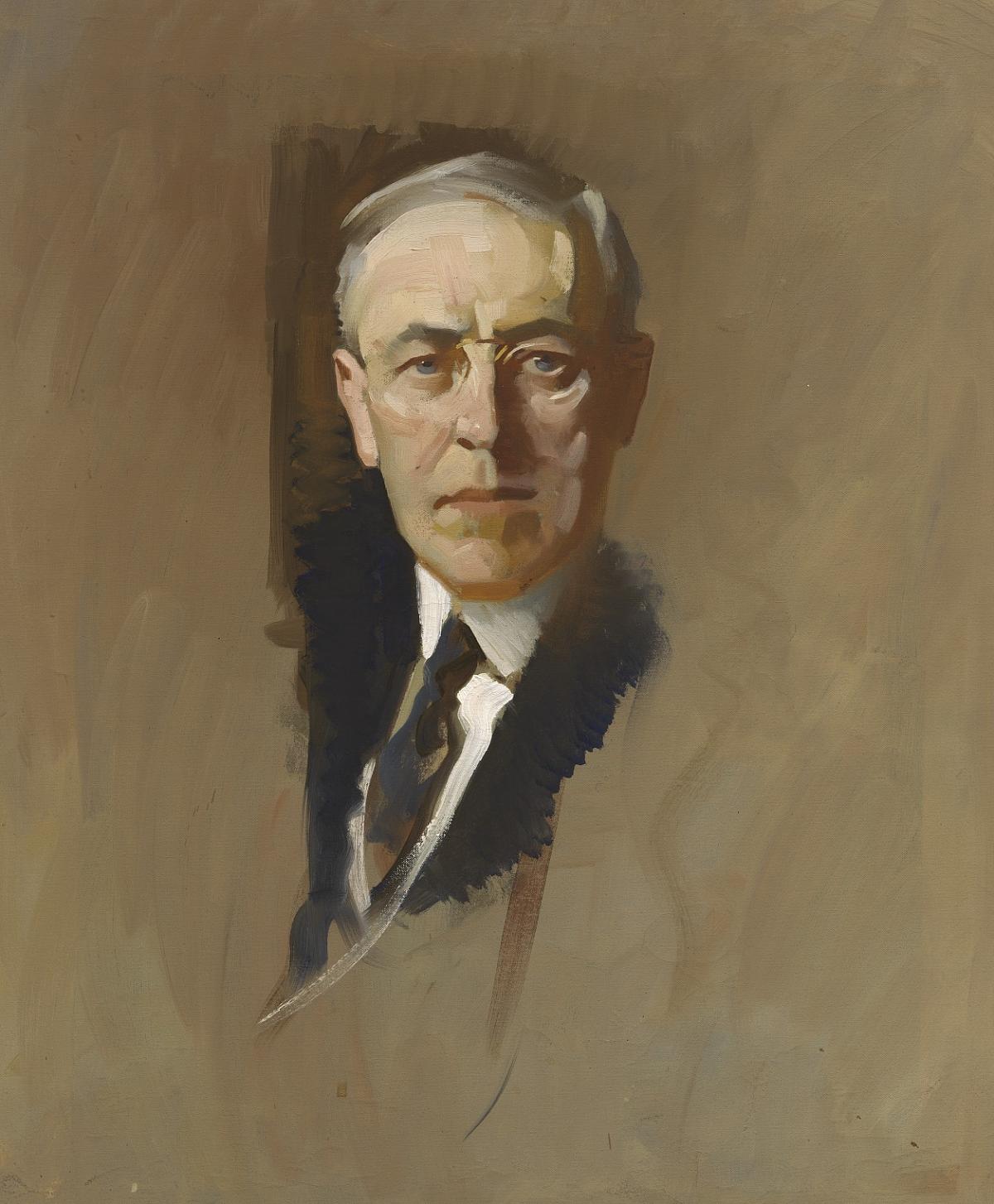
28. Woodrow Wilson: Reform and a Divided Vision of Democracy
In office: 1913–1921
Party: Democratic
Achievements: The Federal Reserve, stronger competition regulation and advocacy for the League of Nations
Main difficulties: Federal segregation, wartime repression and failure to secure U.S. League membership
Wilson’s presidency brought lasting changes to American economic government. The Federal Reserve Act of 1913 established a central banking system intended to improve financial stability and respond to the weaknesses exposed by earlier panics. Its creation was the result of years of debate, not the work of one president alone. Federal Reserve History: the 1913 Act.
In 1914, Wilson signed the Federal Trade Commission Act and the Clayton Antitrust Act, strengthening the government’s approach to unfair competition and concentrated business power. Together, these measures helped build institutions that would outlast the political battles of the Progressive Era. FTC history; House history: Clayton Act.
War and the search for peace
After initially maintaining neutrality in the First World War, Wilson led the United States into the conflict in April 1917. German submarine warfare was central to that decision. He then sought to shape the peace through the Fourteen Points, announced in January 1918, including a proposed association of nations to help prevent future wars. Office of the Historian: American entry into war; National Archives: Fourteen Points.
The League of Nations emerged from the peace settlement, but the Senate did not approve American membership. Disagreement over international commitments, partisan conflict and Wilson’s resistance to compromise helped defeat his central objective. His incapacitating stroke in October 1919 further weakened his final years in office. Office of the Historian: League of Nations; National Park Service: Wilson and the peace campaign.
Who shared in democracy?
Wilson’s language of freedom coexisted with discrimination. His administration introduced or expanded segregation in parts of the federal workforce, humiliating Black employees and restricting opportunities. Wilson knew of and defended these policies. They were deliberate choices, challenged by Black campaigners at the time. Smithsonian Postal Museum: federal segregation.
Wartime enforcement of the Espionage Act also placed anti-war activists and civil-liberties organisations under intense pressure. At home, dissent could be treated as disloyalty even while the government proclaimed democratic purposes abroad. Princeton University Archives: civil liberties under Wilson.
The Nineteenth Amendment was ratified in 1920 after generations of campaigning. Wilson eventually supported the amendment, but women’s suffrage was won by activists, legislators and state ratification, not bestowed by a president. Racial barriers still prevented many women from exercising the vote. National Archives: Nineteenth Amendment.
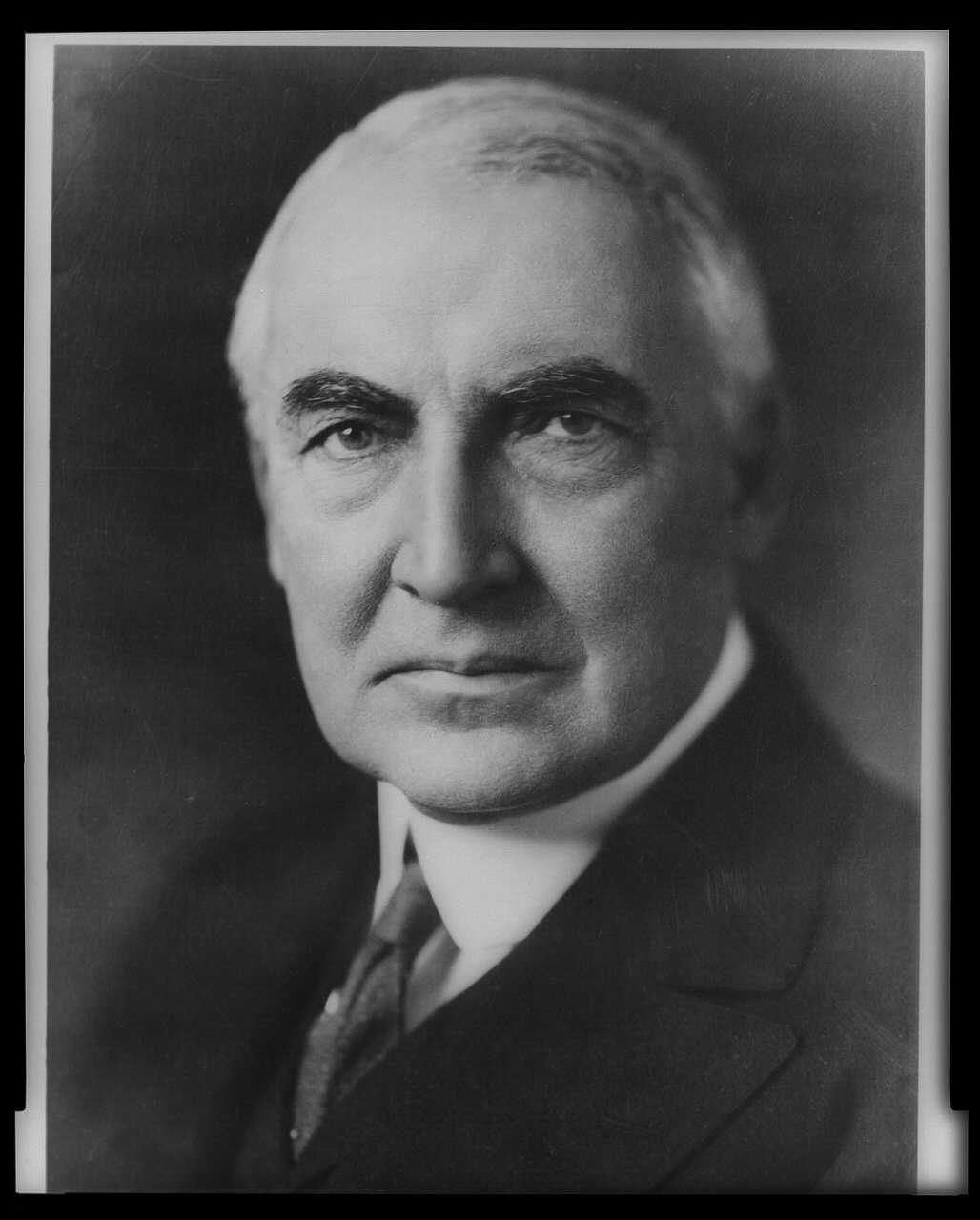
29. Warren G. Harding: Normalcy, Diplomacy and Scandal
In office: 1921–1923
Party: Republican
Achievements: Naval arms-limitation agreements and federal budget reform
Main difficulties: Corruption among appointees, particularly the Teapot Dome scandal
Harding’s promise of a return to “normalcy” appealed to voters exhausted by war and political turmoil. His presidency favoured business confidence and administrative economy, but it also contained substantive institutional and diplomatic achievements. Reducing his term to scandal alone misses part of the story.
A different approach to international cooperation
The Washington Naval Conference of 1921–1922 produced agreements limiting major naval armaments and addressing tensions in the Pacific. Secretary of State Charles Evans Hughes played a central role. These negotiations showed that rejection of the League of Nations did not mean withdrawal from every form of international cooperation.
The agreements had limitations. Some categories of warship remained outside the restrictions, and promises concerning China lacked strong enforcement. Nevertheless, they represented a significant attempt to slow an expensive arms competition after the devastation of the First World War. Office of the Historian: Washington Naval Conference.
At home, Harding signed the Budget and Accounting Act of 1921. It established a more coordinated executive budget process and an independent General Accounting Office, strengthening the machinery for overseeing public expenditure. The reform had an enduring importance beyond his short presidency. GAO: early institutional history.
The cost of misplaced trust
Harding’s reputation was deeply damaged by corruption among officials he appointed. In the Teapot Dome scandal, Interior Secretary Albert Fall arranged secret leases of naval oil reserves and accepted corrupt payments. Senate investigation exposed the dealings, and Fall eventually went to prison. Harding’s responsibility lies in his appointments and oversight; the scandal should not be misrepresented as proof that he personally took the bribes. Senate history: Teapot Dome.
His record on equality was mixed. In Birmingham in 1921 he defended Black political and economic rights, while rejecting social equality and accepting separation. The speech challenged some white Southern expectations without embracing full racial equality. Harding’s Birmingham address.
Harding died in August 1923. The full consequences of the scandals continued to unfold after his death, leaving his successor to restore public trust.
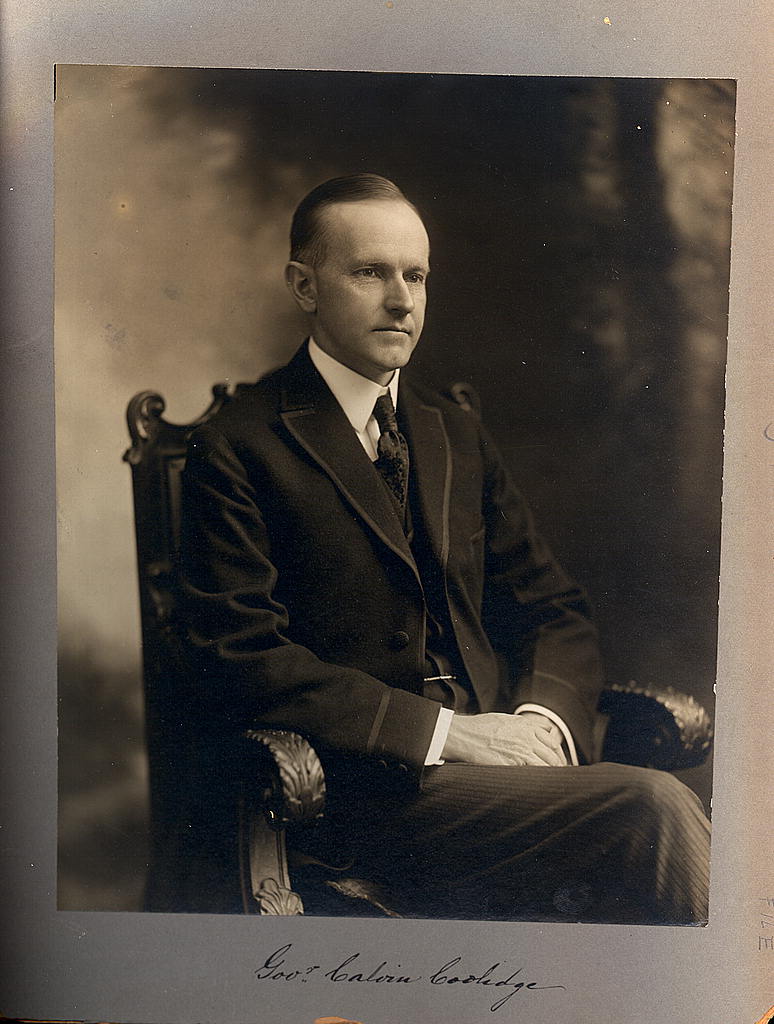
30. Calvin Coolidge: Prosperity and Its Boundaries
In office: 1923–1929
Party: Republican
Achievements: Tax reductions, lower federal debt and the Indian Citizenship Act
Main difficulties: Agricultural distress, unequal prosperity and discriminatory immigration restrictions
Coolidge succeeded Harding in 1923 and won election in his own right the following year. His restrained public manner helped convey steadiness after scandal. He believed that thrift, limited expenditure and private enterprise offered a sound basis for national prosperity.
The appeal of economic restraint
Tax reductions and declining federal debt became important features of his presidency. Supporters credited these policies with encouraging investment and rewarding enterprise. Coolidge’s administration helped sustain a political climate in which business success was treated as a sign of national progress. Coolidge Presidential Foundation: fiscal record.
Prosperity was uneven. Farmers faced persistent difficulties while many urban industries expanded. Coolidge twice vetoed major farm-relief bills, resisting proposals that would place the federal government more directly behind agricultural prices. His restraint appealed to voters suspicious of intervention but offered little reassurance to those left outside the boom. Archived White House biography.
Citizenship and exclusion in the same year
In June 1924, Coolidge signed the Indian Citizenship Act, extending U.S. citizenship to Native Americans born within the country who had not already acquired it. The law preserved rights to tribal or other property, but citizenship did not automatically secure voting access. States continued using discriminatory rules to exclude Native voters. Indian Citizenship Act: text; Library of Congress: citizenship and voting.
One week earlier, on 26 May 1924, he had signed the Immigration Act of 1924. Its national-origins quota system favoured established Northern and Western European immigration over newer arrivals from Southern and Eastern Europe. It also barred immigrants ineligible for naturalisation, targeting Asian immigration, notably from Japan. The law embedded racial hierarchy in federal admissions policy. Office of the Historian: Immigration Act of 1924.
Coolidge left office before the stock-market crash. His record should not be treated as if the entire Depression were his creation, but neither should the boom erase the weaknesses and exclusions that persisted beneath its surface.
31. Herbert Hoover: An Engineer Confronts Economic Collapse
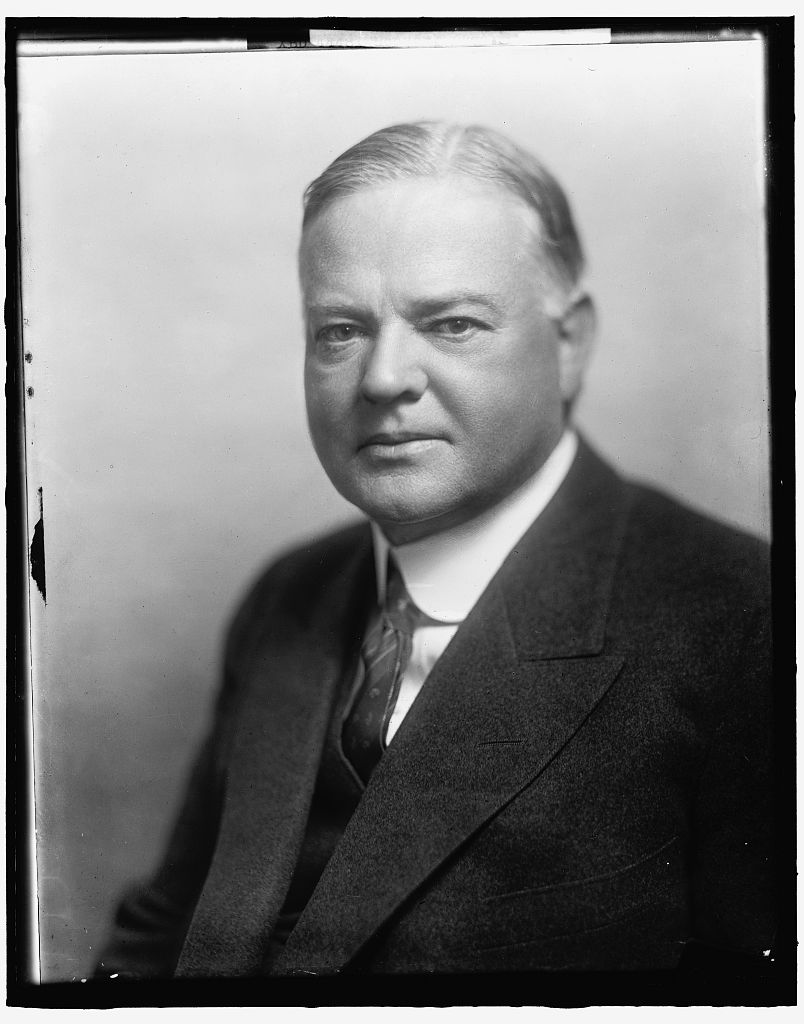
In office: 1929–1933
Party: Republican
Achievements: Public works initiatives and creation of the Reconstruction Finance Corporation
Main difficulties: An inadequate response to the Great Depression, protectionism and the Bonus Army dispersal
Hoover entered office with a formidable reputation. A mining engineer and organiser of wartime food relief, he had helped feed civilians in Europe and served as commerce secretary under Harding and Coolidge. Many Americans saw him as an expert administrator capable of solving difficult practical problems. Hoover Presidential Library: career and presidency.
Action that proved insufficient
The October 1929 stock-market crash was followed by a deepening economic crisis. Hoover encouraged employers to maintain wages and accelerated public works. He preferred voluntary cooperation and local relief to direct federal assistance to unemployed individuals. Those approaches proved inadequate as joblessness and hardship spread. Hoover Presidential Library: depression response.
It is inaccurate to say that Hoover did nothing. In 1932 he signed legislation establishing the Reconstruction Finance Corporation, which lent to banks and other institutions to support the financial system. Yet assistance directed through institutions did not provide immediate security for families facing hunger, eviction and unemployment. Federal Reserve History: banking panics and the RFC.
Hoover also signed the Smoot-Hawley Tariff in 1930. Higher trade barriers did not create the Depression by themselves, but protectionism impeded international cooperation during an already dangerous contraction. The worldwide crisis involved banking failures, collapsing demand and international financial strains as well as trade policy. A single-law explanation is too simple. Office of the Historian: interwar protectionism.
The Bonus Army and political defeat
In 1932, veterans came to Washington seeking early payment of promised compensation. After clashes involving police, Hoover ordered federal troops to restore order. General Douglas MacArthur’s operation cleared the veterans’ camps, producing scenes of force against former servicemen and their families. The episode became a symbol of the administration’s estrangement from suffering Americans. Department of Veterans Affairs: Bonus Army.
Hoover lost decisively to Franklin D. Roosevelt in 1932. His humanitarian achievements remain real, but so does his administration’s failure to meet the scale of the emergency. His presidency ended with Americans demanding a much larger federal response to economic insecurity.
From Confidence to Crisis
These five presidencies connect the reform ambitions of the early twentieth century to the upheaval that made the New Deal possible. Their portraits show individuals, but their stories also belong to campaigners, soldiers, workers, migrants and families whose lives were shaped by decisions in Washington. Understanding that wider picture brings the period into view without turning its presidents into either flawless heroes or simple villains.
Discover more lives from the past in our history articles.
If you want your photos bringing back to life, send me a message on any of my social media accounts. Follow me across social media for historical photo restorations, AI colorizations, and videos bringing the past to life!
Instagram: https://www.instagram.com/bringing_history_to_life/
Facebook: https://www.facebook.com/bringinghistory2life | TikTok: https://www.tiktok.com/@bringing_history_to_life | YouTube: https://www.youtube.com/@bringing_history_to_life